On-Chain Credit Protocol for Community Banks
A protocol that allows regional/community banks to underwrite credit for projects or SMBs on-chain, while still holding the leverage and risk in a bank-native balance sheet. The protocol handles credit scoring, due diligence, transparency, and investor tranching of risk, letting non-bank capital participate behind the bank’s underwriting. This lets banks extend on-chain credit but fund it partially from external investors, reducing capital strain, and giving investors access to structured risk via tokenized slices.
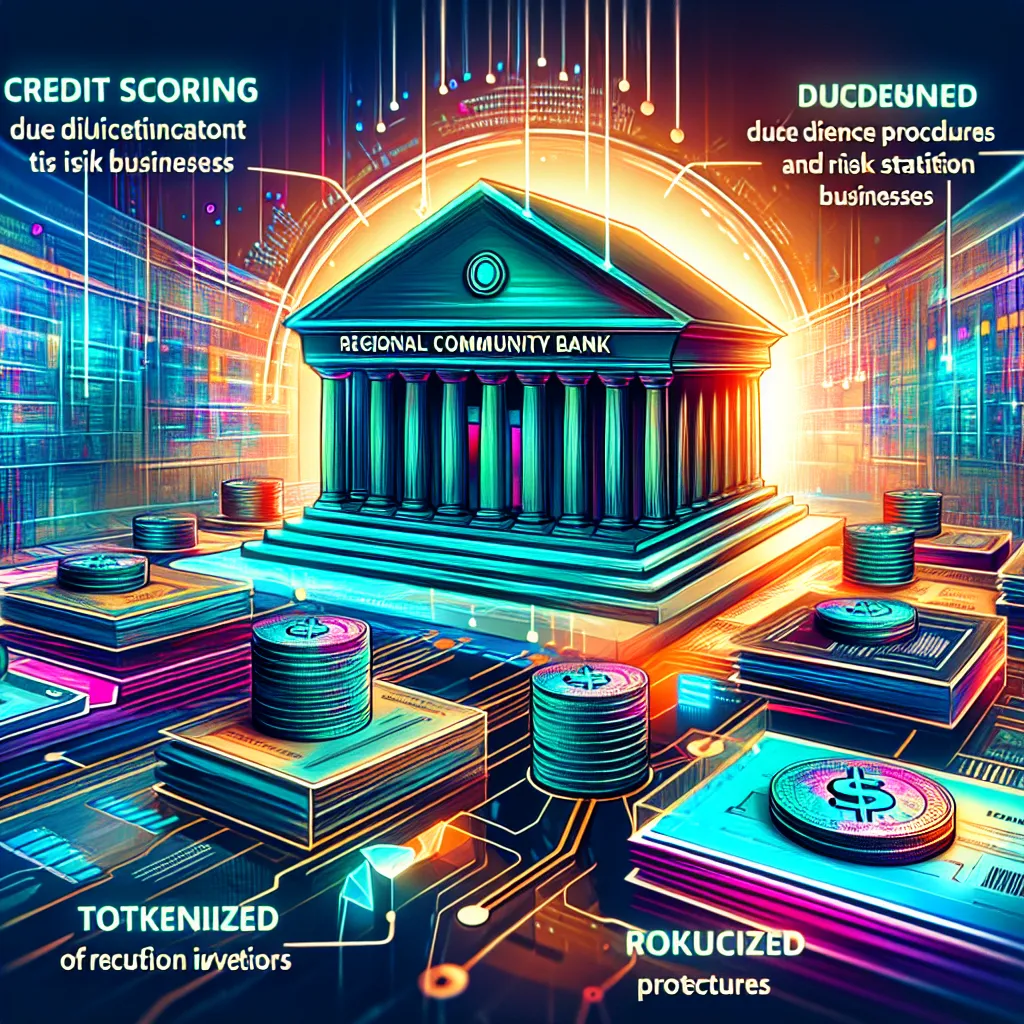
Description
Small and medium exporters/importers often face friction converting stablecoins (USD, EUR) back to local currency in remote markets. A network of regulated local nodes in emerging markets that accepts tokenized USD (or other stablecoins) and provides instant local currency disbursement (or vice versa). Think of it as a liquidity router / exit ramp that local businesses trust, licensed in each jurisdiction. It bridges global stablecoin flows to on-the-ground local economies.
The Pitch
For many regional and community banks, extending credit to projects or small and medium-sized businesses (SMBs) often poses a significant challenge. They face increasing pressure to innovate while grappling with capital constraints. The rise of blockchain technology presents a unique opportunity to modernize traditional banking practices. This concept introduces a protocol that facilitates on-chain credit underwriting, allowing banks to maintain control while leveraging external capital.
Backstory Regional and community banks play a vital role in supporting local economies by providing necessary credit to businesses and projects. However, they often encounter limitations due to conservative lending practices and regulatory pressures. Meanwhile, an increasing number of investors seek diversified investment opportunities with structured risk. These investors are interested in participating in the credit market but are hindered by traditional barriers of entry. Blockchain technology has the potential to address these challenges by introducing transparency, security, and efficiency in the credit underwriting process.
Problem The primary issues faced by regional and community banks include: 1. Capital Constraints: Limited resources to extend significant credit. 2. Complexity in Due Diligence: Cumbersome and expensive credit assessments. 3. Risk Management: The need to hold leverage and risk on their balance sheets. 4. Limited Access for Non-Bank Capital: Inefficient systems for involving external investors.
Solution This protocol presents a solution by allowing banks to underwrite credit on-chain. Banks retain the leverage and risk on their bank-native balance sheets while the protocol manages the process of credit scoring, due diligence, and investor tranching of risk. This setup enables: 1. Efficient Credit Assessment: Streamlined processes for evaluating creditworthiness. 2. Transparency: Secure and auditable transactions on the blockchain. 3. Investor Participation: Structured risk exposure for external investors through tokenized slices. 4. Reduced Capital Strain: Funding partially from non-bank investors.
Product Details 1. Credit Scoring and Due Diligence Module: Utilizes smart contracts to automate and enhance the evaluation process. 2. Transparency Framework: Employs blockchain to ensure all transactions and underwriting activities are transparent and auditable. 3. Investor Tranching Structure: Offers tokenized risk slices for investors, each assessing different layers of risk. 4. Bank-Native Interfaces: Designed to seamlessly integrate with existing bank systems without disrupting their balance sheet management.
Tools for MVP Launch 1. Blockchain Platform: Leverage Ethereum or another robust blockchain for smart contract functionality. 2. Credit Assessment Tools: Use AI-powered tools for enhanced due diligence. 3. Tokenization Services: Employ platforms like Polymath or Securitize to manage token issuance. 4. APIs and Integration Tools: Utilize Open Banking APIs to integrate with bank systems seamlessly.
Go-To-Market Strategy 1. Strategic Partnerships: Collaborate with pioneering regional and community banks to pilot the protocol. 2. Regulatory Engagement: Work with regulators to ensure compliance and demonstrate the protocol’s benefits. 3. Investor Outreach: Partner with investment platforms to attract capital and educate potential investors. 4. Thought Leadership: Host webinars and write whitepapers to position the protocol as an innovative banking solution.
Business Model 1. Subscription Model: Charge banks a subscription fee for access to the protocol. 2. Transaction Fees: Collect fees from investors based on their transaction volume through the platform. 3. Premium Services: Offer advanced analytical tools as an add-on service for enhanced decision-making.
Conclusion This protocol aims to revolutionize how regional and community banks extend credit, overcoming traditional barriers while providing new investment opportunities. By leveraging blockchain technology, it offers a win-win solution for banks, businesses, and investors, fostering economic growth and innovation in the financial sector.