Offshore Biofoundry Accelerates Gene Editing Research
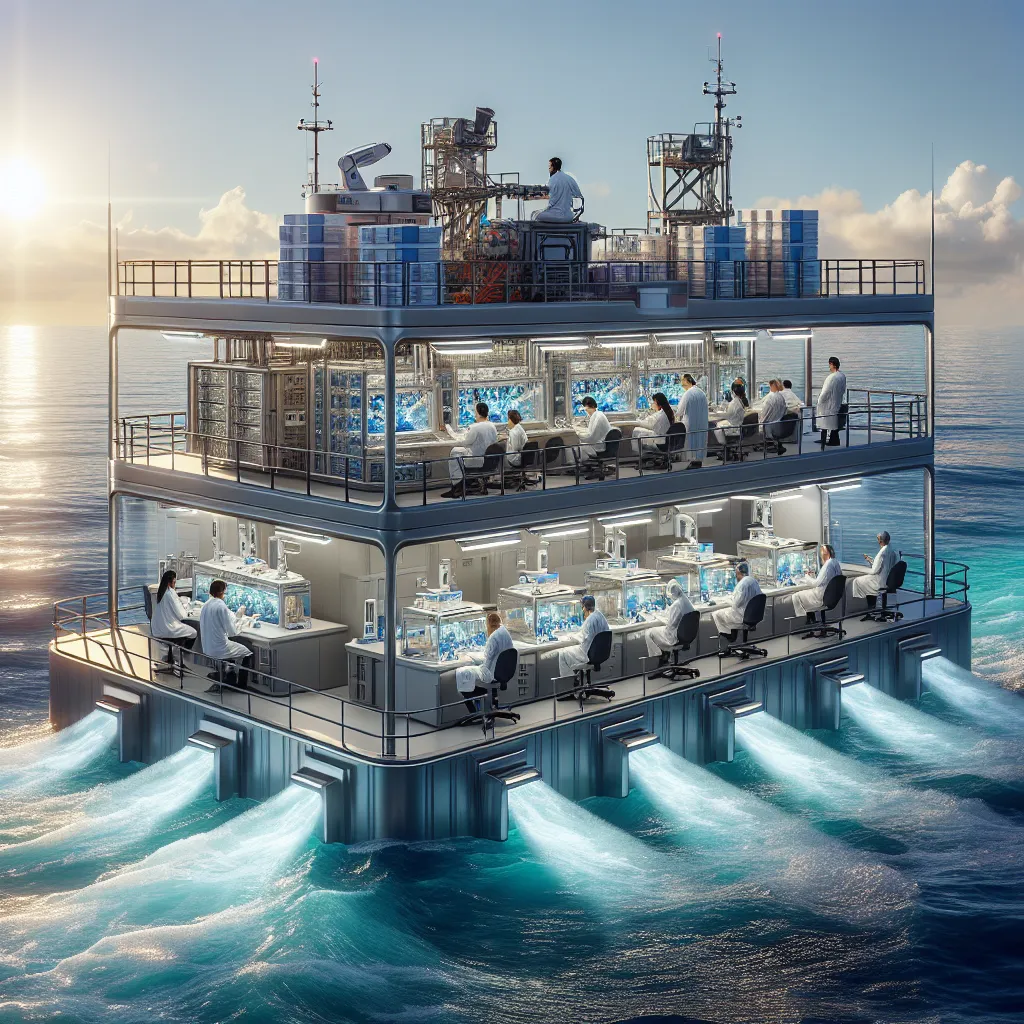
Gene editing is bottlenecked by regulation, slowing down life-saving research. Instead of waiting years for approvals, a modular biofoundry floating offshore would offer researchers a legal, ethical way to rapidly iterate on embryo gene-editing experiments. These facilities would be equipped with cutting-edge biotech, operated under international maritime regulations. Now, with CRISPR tech maturing and regulatory arbitrage common in fintech and pharma, it’s time for biotech to follow. Example: A cancer research team leases lab time offshore, testing 10x more gene therapies in a year than they could under FDA rules.
Description
No additional description provided.
The Pitch
In the rapidly evolving field of biotechnology, one of the most promising areas of research is gene editing. However, significant advancements are often delayed due to stringent regulatory frameworks, particularly in regions with comprehensive health and safety laws. This situation creates a significant bottleneck for researchers striving to develop life-saving therapies. The concept of offshore biofoundries presents a compelling solution to this challenge, providing legal and ethical avenues for accelerated experimentation.
Backstory: Gene editing, particularly technologies like CRISPR, has opened new doors in medical research, offering potential cures for genetic disorders, cancers, and other chronic diseases. However, the landscape is fraught with regulatory hurdles that slow down progress in the name of safety and ethics. For researchers, this means a painstakingly slow pace of innovation as they wait years for necessary approvals to conduct experiments, delaying potential breakthroughs.
Problem: The primary bottleneck in gene-editing research is the complex regulatory environment that governs this field. Stringent regulations, while ensuring safety, significantly stretch the timeline from research to market, delaying treatments for patients in need. As a result, researchers are unable to test new therapies at the scale and speed necessary to stay ahead in this competitive field.
Solution: The establishment of modular biofoundries on international waters offers a novel solution. These floating research facilities would operate under international maritime regulations, allowing for faster approval processes while maintaining ethical standards. Positioned outside traditional jurisdictional boundaries, these biofoundries could support rapid iterations and scaling of gene-editing experiments.
Product Details: - Floating Biofoundries: Modular laboratories equipped with state-of-the-art biotech instruments required for gene editing and stem cell research. - Automation and Robotics: Integration of automated systems to enhance precision and efficiency in experimental workflows. - Data Security: Advanced cybersecurity measures to protect sensitive research data. - Ethical Oversight: Advisory panels consisting of international experts to ensure ethical guidelines are upheld. - Sustainability: Eco-friendly operations to minimize environmental impact.
Tools for MVP Launch: - 3D Design Software: For the virtual simulation and design of the modular structures. - Cloud-Based Data Management: Platforms like AWS or Google Cloud for data storage and computational needs. - Automation Toolkits: Robotics kits and software to streamline laboratory operations. - Bioinformatics Resources: Tools such as genome-editing software for designing and simulating experiments.
Go-to-Market Strategy: - Target Audience: Biotech companies, university research departments, and independent researchers. - Partnerships: Form strategic alliances with universities, pharmaceutical companies, and biotech firms to establish credibility and gain early adopters. - Marketing Campaigns: Utilize digital channels to reach a global audience, focusing on biotech hubs, research conferences, and online forums. - Pilot Programs: Initiate pilot projects with select research teams to demonstrate effectiveness and establish case studies.
Business Model: - Leasing: Offer leasing options for lab time and equipment usage on a subscription basis. - Customization: Provide tailored lab setups to meet the specific needs of different research projects. - Consulting Services: Offer expert guidance and support services to facilitate compliance and enhance research outcomes. - Data as a Service: Offer anonymized data insights to pharmaceutical companies as an additional revenue stream.
Conclusion: By situating biofoundries offshore, we can circumvent traditional regulatory delays, allowing researchers to innovate at an unprecedented pace. This approach not only accelerates the development of new therapies but also positions the biotech industry to fully leverage cutting-edge technologies in a sustainable and ethical manner.