Offline Emergency App for Underserved Regions
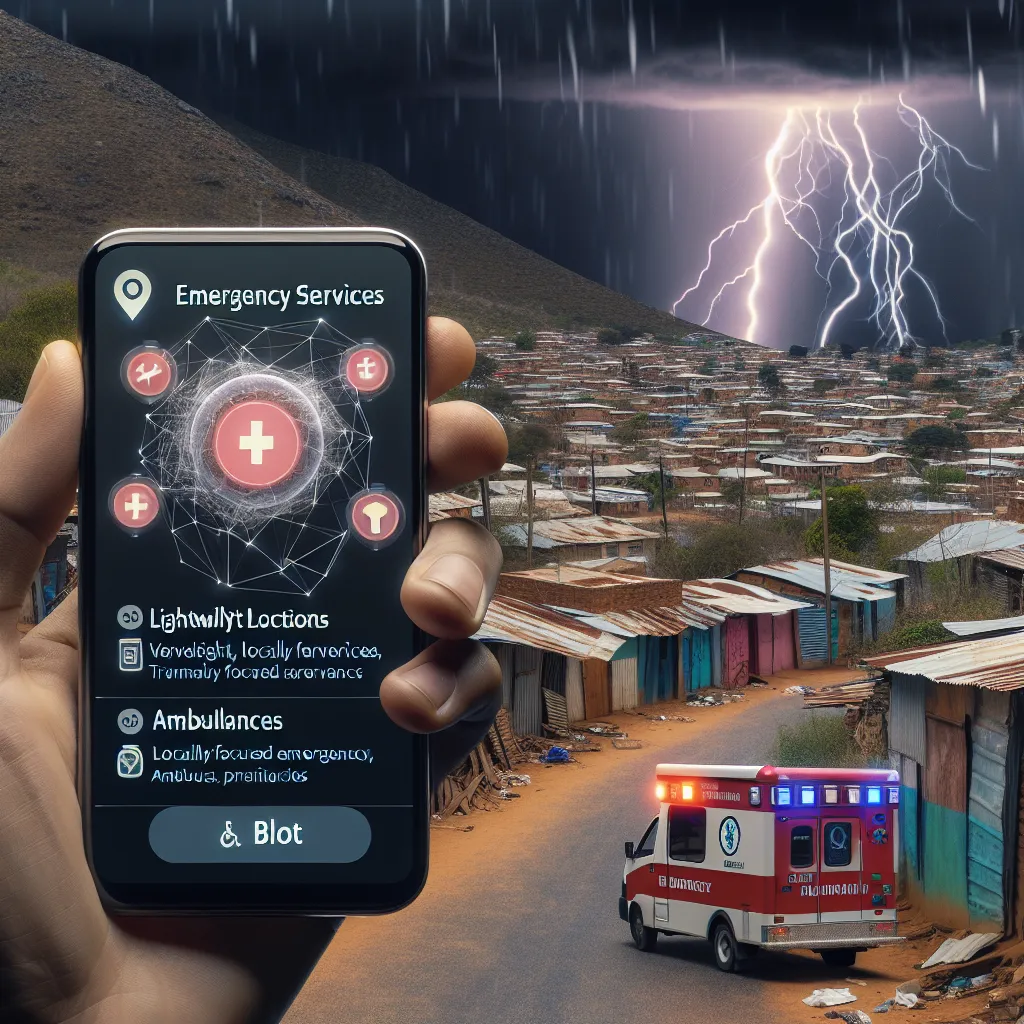
In many countries, especially in underserved regions, there’s no centralized, reliable way to access emergency services—especially during a crisis or without reliable internet. A startup could solve this by creating lightweight, locally focused emergency apps using services like Replit or Bolt, populated with verified locations, directions, and offline-access features. “Someone's building in South Africa for access to emergency services… they didn’t know where to go.” A version for rural India might help people find trauma centers, ambulances, and open pharmacies even in a blackout or after a natural disaster—saving lives through local, tech-enabled accessibility.
Description
No additional description provided.
The Pitch
In many countries, particularly in underserved regions, the lack of a centralized and reliable system for accessing emergency services remains a significant issue. This problem is exacerbated during crises or in areas without stable internet access. Imagine a scenario in South Africa where someone needs emergency assistance but has no idea where to turn, or in rural India, where finding a trauma center, ambulance, or open pharmacy during a blackout or natural disaster is nearly impossible. These are not just hypothetical situations; they are real challenges that people face daily, impacting their livelihoods and even their survival.
The crux of the problem is the absence of an accessible, efficient system that people can rely on during emergencies. This gap is felt most acutely in regions with limited infrastructure or in situations where existing emergency services are overwhelmed or difficult to access.
A potential solution lies in leveraging technology to create a series of lightweight, locally focused emergency applications. These apps would provide a centralized platform that aggregates verified information, including locations, directions, and emergency contact numbers. To be truly effective, they must include offline-access features, ensuring that users can still access crucial information even without an internet connection.
The product itself would be an intuitive, user-friendly mobile application tailored to the specific needs of a locality. The app would be populated with verified data on emergency services such as hospitals, pharmacies, police stations, and fire departments. Additional features could include real-time updates during a crisis, GPS-enabled directions to the nearest emergency services, and multilingual support to cater to diverse populations.
Building this application as a Minimum Viable Product (MVP) can be achieved efficiently using platforms like Replit or Bolt. These tools allow for rapid development and deployment, enabling startups and developers to create robust applications without extensive resources. The use of existing APIs and open data sources could further streamline development by providing reliable information on emergency services.
For a go-to-market strategy, collaboration with local governments and emergency services is essential. Establishing partnerships with NGOs and community organizations can also enhance credibility and facilitate outreach efforts. A phased rollout, starting with pilot programs in select regions, would allow for the fine-tuning of the app based on real-world feedback.
The business model for this initiative could be multi-faceted. While the core service would ideally be free to maximize accessibility, premium features or partnerships with local businesses (such as health centers offering promotions) could provide additional revenue streams. Alternatively, funding could be sought from government grants or international aid organizations focused on improving infrastructure in underserved regions.
In summary, addressing the challenge of accessing emergency services in underserved regions presents both a critical need and a significant opportunity for innovation. By creating a reliable, accessible emergency application, we can devise a solution that not only resolves the immediate problem but also serves as a foundation for further innovations in public safety and community health.