Offline AI for Humanitarian Aid in Crisis
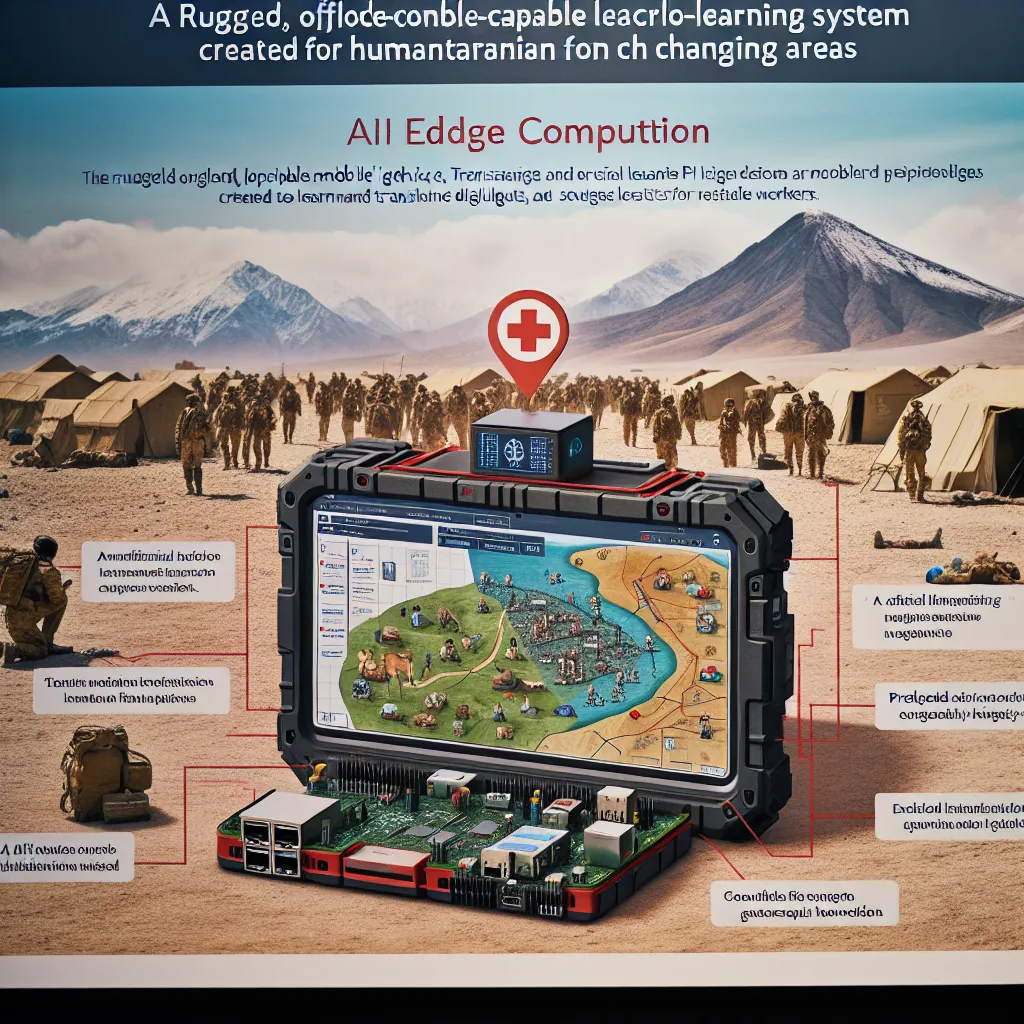
In disaster areas and conflict zones, communication and information access can mean the difference between life and death—but most AI tools require internet and large compute resources. This startup builds rugged, offline-ready micro-LLMs trained for humanitarian response. Designed to run on low-cost mobile devices or Raspberry Pi kits, they can translate local dialects, triage injuries, or suggest logistics workflows for aid workers—all without a cloud connection. Built using edge-optimized AI models and preloaded with contextual knowledge (e.g. medical first aid, regional geography), the system serves communities far from stable infrastructure. Tied to trends in small-model AI and edge computing, this platform empowers field workers where ChatGPT or Google can’t reach. For instance, a Red Cross team in rural Syria uses it to diagnose basic injuries, communicate across five dialects, and coordinate drop zones—all offline.
Description
No additional description provided.
The Pitch
In regions hit by disasters or embroiled in conflict, the ability to communicate and access crucial information can be the deciding factor in saving lives. Yet, in these areas, most advanced AI tools are rendered ineffective due to their reliance on internet connectivity and substantial computational resources. Enter a transformative solution: a startup that develops rugged, offline-capable micro-LLMs specifically tailored for humanitarian response efforts.
### The Challenge
In remote or unstable areas, infrastructure is often too damaged or underdeveloped to support typical AI applications. Emergency responders face significant barriers: they struggle to communicate across language barriers, lack real-time medical tools, and encounter logistical nightmares without the assistance of reliable technology. Major platforms, like ChatGPT or Google, require continuous internet access and robust hardware, making them unsuitable in these contexts.
### The Solution
This startup offers a novel approach: micro-LLMs that can operate independently of the cloud on low-cost smartphones or Raspberry Pi kits. These models are finely tuned for specific humanitarian tasks, ensuring that they function seamlessly in the most challenging environments. Capabilities include translating diverse local dialects, triaging medical injuries, and proposing logistics strategies for aid delivery—entirely offline.
### Product Details
The platform utilizes cutting-edge edge-optimized AI models preloaded with specific regional knowledge, such as medical first aid protocols and geographic data. This customization ensures that each device is a potent tool for field workers who cannot rely on traditional communication channels. The system is designed with the following features:
- Offline Translation: Ability to translate and facilitate communication across multiple local dialects, enabling effective coordination among diverse teams. - Medical Triage Support: Provides AI-driven assistance in assessing and prioritizing injuries, helping medical personnel manage situations more effectively. - Logistics Workflow Suggestions: Offers strategic recommendations for organizing aid distribution, aligning with real-time field conditions and constraints.
### Tools to Build and Launch
- **Model Training**: Use compact AI frameworks like TinyML or TensorFlow Lite to train on localized datasets, optimizing for performance on edge devices. - **Deployment**: Raspberry Pi and similar devices are cost-effective platforms for deploying these micro-LLMs. - **Preloaded Data**: Partner with NGOs and local experts to preload devices with essential regional knowledge and linguistic databases.
### Go-to-Market Strategy (GTM)
1. **Partnerships**: Collaborate with international aid organizations, such as Red Cross and UNICEF, providing them with pilot models to demonstrate effectiveness. 2. **Field Testing**: Conduct extensive testing in select disaster-prone or conflict areas, gathering feedback to refine and improve the offerings. 3. **Advocacy and Awareness**: Engage in advocacy campaigns that highlight the importance of communications technology in remote regions, showcasing successful case studies from pilot deployments.
### Business Model
- **Subscription Service**: Offer a tiered subscription model for agencies, with different levels for data updates and model enhancements. - **Licensing**: License the underlying technology to governments and large organizations looking to bolster their humanitarian capabilities. - **Device Sales**: Sell preloaded devices directly to aid groups, providing maintenance and support packages as additional revenue streams.
By integrating small-model AI and edge computing, this startup addresses a critical gap. It empowers field workers in places where most technology fails, bridging the divide between advanced AI capabilities and the pressing needs of those operating in the world’s most vulnerable locations. With this system, even the most isolated communities can receive the support they need when they need it the most.