Offline AI App Store for Low-End Devices
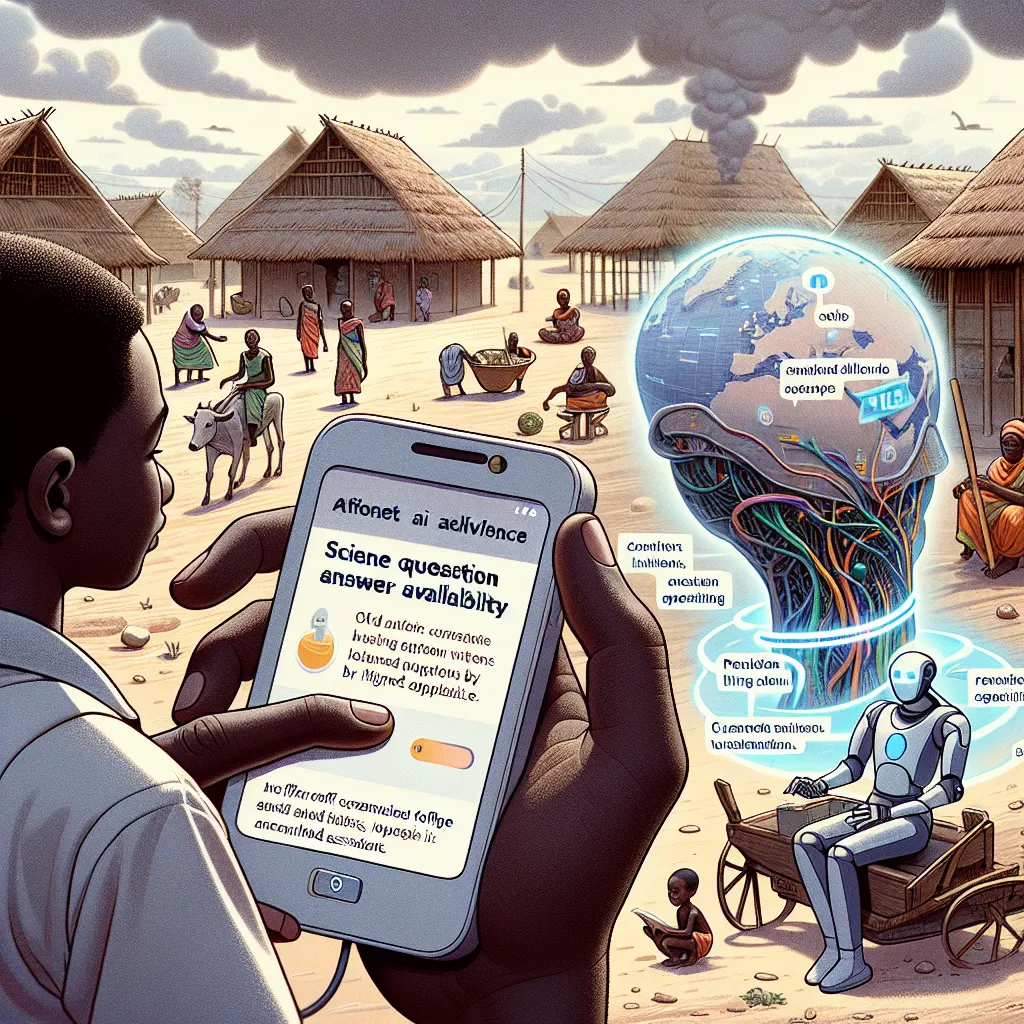
Despite AI’s global hype, billions still lack access due to bandwidth or hardware limits—especially in low-income regions. While inference costs fell 280x since 2022, few tools target the offline market. This startup would build an “LLM App Store” for low-end Androids and feature phones: curated, compressed models for offline tutoring, translation, or farming tips. Each AI app would run locally with no internet required. For example, a student in rural Nigeria could install a science Q&A bot that works entirely offline, offering personalized help without needing cloud infrastructure.
Description
No additional description provided.
The Pitch
In recent years, artificial intelligence has captured global attention, promising to transform various sectors. However, despite its rapid development, billions of people around the world still lack access to AI technologies. This is primarily due to bandwidth constraints and the limited hardware capabilities available, particularly in lower-income regions. Although the costs associated with running AI models have dropped significantly, very few solutions have addressed the pressing need for offline AI access.
Imagine a world where a student in rural Nigeria can receive personalized assistance in their studies without needing to connect to the internet. Or a farmer in a remote area of India can access real-time agricultural advice directly from their mobile device. This vision aligns with the goal of creating an application hub, or LLM App Store, specifically designed for low-end Android devices and feature phones. This platform would offer a curated selection of compressed AI models capable of functioning entirely offline. The applications would range from educational tutors to language translation tools, and even expert systems providing farming tips. These AI solutions would operate directly on the user's device, eliminating the need for internet connectivity or robust cloud infrastructure.
The solution is centered around the development of lightweight AI applications that can operate effectively on basic hardware. Some core components include:
- Compressed Model Deployment: The AI models would be compressed to ensure they maintain their efficacy while being capable of running on less powerful devices. - Curated Application Store: A dedicated platform to easily discover and install AI solutions tailored to specific needs and contexts. - Offline Functionality: Every application is designed to provide full functionality without an internet connection. - Diverse Applications: From educational aids like science quiz and answer bots to practical utilities like translation and local farming guidance.
To bring this idea to life, several tools and technologies can be employed to streamline the development process and effectively launch a minimum viable product (MVP):
- Model Optimization Libraries: Utilize frameworks like TensorFlow Lite and ONNX Optimizer to compress AI models for low-resource hardware. - Mobile Development Platforms: Leverage tools such as Android Studio for developing applications compatible with targeted devices. - Local Data Storage Solutions: Integrate solutions like SQLite for efficient offline data handling on mobile devices.
For the go-to-market (GTM) strategy, it’s important to focus on partnerships and community engagement:
- Collaborate with educational institutions and non-governmental organizations to distribute the applications directly to communities that can benefit the most. - Engage local influencers and tech-savvy community leaders to create awareness and trust in the platform. - Use data-driven strategies to identify high-need areas and tailor marketing efforts accordingly.
The business model would primarily focus on a freemium approach, providing free access to basic functionalities while offering premium features for a small fee. Additionally, partnering with educational and social impact organizations could unlock funding opportunities. An advertising model based on local and relevant content, tailored to the users' needs and context, could also be developed as part of the revenue strategy.
In summary, this initiative aims to democratize access to AI by focusing on offline availability and low-cost adaptability, ultimately bridging the digital divide for underserved populations.