Offline AI Agents: Empowering Emerging Markets Locally
Most AI tools today assume always-on, high-bandwidth internet and access to cloud compute. That leaves billions of people—especially in emerging markets—unable to use powerful LLMs or agentic workflows in education, agriculture, finance, or healthcare. But now that inference costs have dropped and edge models are improving rapidly, there’s a new opportunity: an offline-first agent platform optimized for constrained environments. This startup builds a lightweight AI agent stack that runs entirely on local devices—phones, cheap laptops, or even Raspberry Pi equivalents—with occasional syncs to the cloud. Farmers can ask: “How do I treat this leaf spot?” with a photo. Students can get personalized tutoring. Shopkeepers can ask for inventory projections or tax help. The agent reasons locally, stores progress, and syncs when bandwidth is available. This wasn’t feasible before due to GPU cost, model size, and fragile infra. But now, stabilized AI infra + quantized models + local vector stores = full-stack intelligence at the edge. This isn’t just cost savings—it’s infrastructure leapfrogging. It’s the Android of AI agents for the rest of the world.
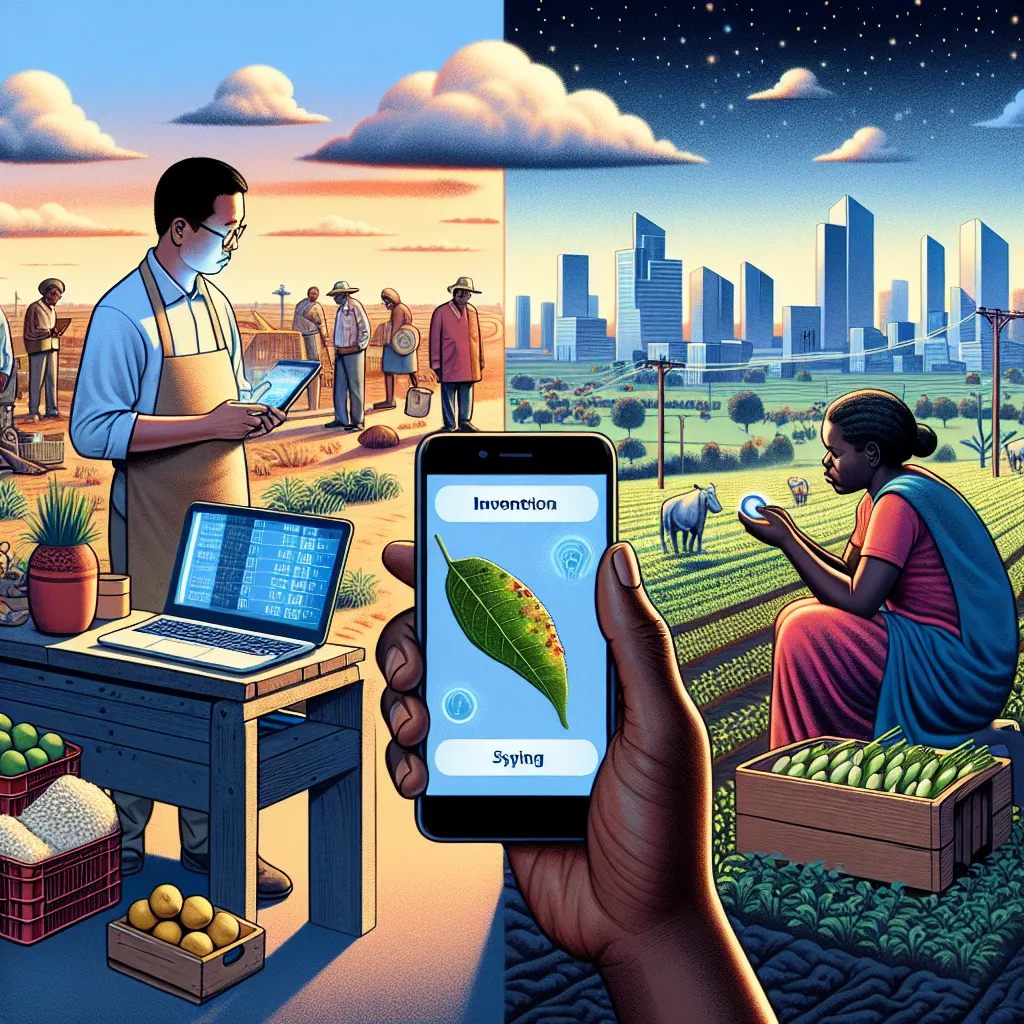
Description
No additional description provided.
The Pitch
As technology continues to evolve, the digital divide between developed and emerging markets becomes more pronounced. Many AI tools are designed with the assumption that users have access to fast, reliable internet connections and the necessary infrastructure to leverage cloud-based services. This assumption leaves billions of people—particularly in emerging markets—without access to powerful AI solutions that could transform industries such as education, agriculture, finance, and healthcare.
Traditionally, factors such as high GPU costs, large model sizes, and unreliable infrastructure have made it difficult to deploy functional AI solutions in these regions. However, with recent advancements in AI infrastructure and edge computing, including reduced inference costs, the development of lightweight models, and local computing capabilities, there's now a significant opportunity to create AI solutions tailored for these environments.
The Solution
This initiative focuses on building an offline-first AI agent platform optimized for constrained environments. The platform aims to run seamlessly on local devices such as smartphones, affordable laptops, and Raspberry Pi equivalents, with periodic synchronization to the cloud when internet access is available.
Key Features: 1. Localized Processing: AI agents perform tasks directly on the user's device, ensuring real-time functionality without needing constant internet connectivity. 2. Versatile Applications: From helping farmers diagnose plant diseases with images to assisting students with personalized tutoring and aiding small business owners with inventory and financial management. 3. Efficient Resource Use: Utilizes quantized models and local vector stores to minimize resource consumption while maximizing performance. 4. Adaptive Syncing: Data and progress are stored locally and synced to the cloud during periods of internet availability, ensuring ongoing learning and adaptation of models.
Tools and Technologies for MVP Launch
1. Edge Computing Devices: Utilize devices like inexpensive smartphones, tablets, laptops, or single-board computers such as the Raspberry Pi for deployment. 2. Light AI Frameworks: Implement lightweight AI frameworks designed for edge computation such as TensorFlow Lite or PyTorch Mobile. 3. Data Management: Employ local vector databases that support efficient storage and retrieval of data, adjusting for internet availability. 4. Model Optimization: Use techniques like model quantization and pruning to ensure models are small enough to run on constrained hardware.
Go-to-Market Strategy
1. Partnerships: Collaborate with NGOs, government programs, and local tech companies to distribute the solution. Engage with local ecosystems to understand region-specific needs. 2. Pilot Programs: Launch initial pilot projects in target regions to gather user feedback and demonstrate the platform's impact. 3. Education and Training: Provide resources and training to empower local developers and users to adapt and extend the platform for their specific needs. 4. Community Engagement: Build a community around the platform to foster user-generated applications and enhancements.
Business Model
1. Freemium Model: Offer core functionalities for free to drive widespread adoption, with premium features accessible through a subscription model. 2. Licensing and Custom Solutions: Work with larger institutions and government bodies to provide tailored solutions for specific sectors such as education or agriculture. 3. Data Services: Offer data analytics and insights as a service to larger organizations, leveraging aggregated and anonymized data.
By focusing on creating an accessible and practical AI solution tailored for constrained environments, this initiative aims to democratize AI technology, enabling individuals and businesses in emerging markets to access the transformative power of artificial intelligence.