Official Lookalikes: Monetizing the Dupe Economy
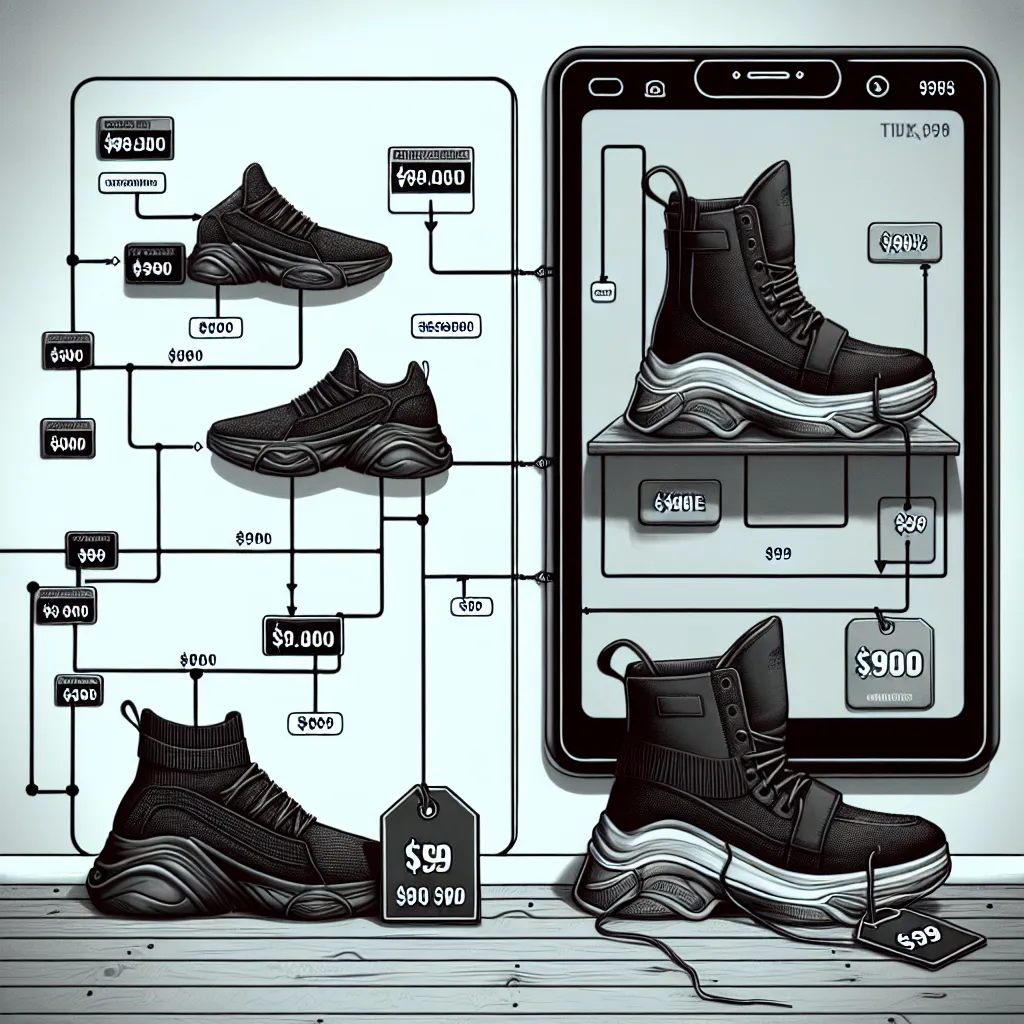
Luxury and mid-tier brands usually ignore or fight dupes, losing both revenue and cultural relevance. The problem is these brands have no way to monetize the dupe economy without harming their premium positioning. The solution is a Dupe-as-a-Service model where brands partner with a backend manufacturer/retailer to release “official lookalikes” under a sub-label—designed for affordability while keeping quality and ethics intact—capturing budget-conscious customers they’d otherwise lose. The trend is the normalization of “secondary lines” (think Armani Exchange or Coach Outlet) but with the speed, virality, and aesthetic of TikTok-born trends. Example: A $900 luxury shoe brand works with the service to launch a $99 dupe under a different label, dropping it alongside the original in a way that fuels both halo demand for the premium item and high-volume sales of the affordable version.
Description
No additional description provided.
The Pitch
In the fast-paced world of fashion, where luxury and exclusivity often dictate brand positioning, a growing segment of consumers are increasingly leaning towards more affordable alternatives, commonly known as dupes. This emerging market poses both challenges and opportunities for luxury and mid-tier brands. While traditionally these brands have either ignored or actively fought against the proliferation of dupes, there exists a potential framework that flips the narrative—turning a challenge into a lucrative opportunity.
The Problem:
Luxury and mid-tier brands face a unique predicament. They aim to maintain their premium image and exclusivity while contending with a growing demographic of budget-conscious consumers. As dupes continue to thrive, brands inadvertently face revenue losses and a diminishing connection with the cultural zeitgeist. The core issue is that there is currently no effective way for these brands to tap into the dupe economy without compromising their high-end status and quality perception.
The Solution:
Enter the Dupe-as-a-Service model. This innovative concept allows brands to partner with selected backend manufacturers and retailers to produce “official lookalikes” that are marketed under a sub-label. These lookalikes are designed to be affordable yet retain a commitment to quality and ethical production standards. By embracing this model, brands can actively engage with a broader customer base, particularly those seeking style without the luxury price tag, all while maintaining their premium appeal through proper segmentation and branding strategies.
Product Details:
1. Collaboration with Manufacturers: Partner with select, ethical manufacturers who specialize in high-quality production. This ensures that the officially endorsed dupes meet certain standards of craftsmanship and sustainability.
2. Sub-label Development: Create a distinct sub-label that clearly differentiates these products from the primary luxury line. This allows businesses to cater to different market segments without diluting the core brand identity.
3. Strategic Pricing: Price these dupes affordably, striking a balance between accessibility and perceived value. The aim is to capture consumers who admire the premium line but are deterred by its pricing.
4. Trend-responsive Design: Leverage social media platforms like TikTok to inform and influence design choices, ensuring that products align with current fashion trends and consumer preferences.
Tools for MVP Launch:
- E-commerce Platforms: Use platforms such as Shopify or BigCommerce for quick and accessible online storefront setups. - Design Software: Tools like Adobe Illustrator and CLO 3D can be used for efficient and flexible product design and prototyping. - Manufacturing Partnerships: Establish relationships with agile and reputable manufacturers who can handle small-batch production and rapid iterations. - Social Media Marketing Tools: Leverage platforms such as TikTok, Instagram, and Facebook for targeted marketing campaigns, utilizing analytics tools to refine audience engagement.
Go-to-Market Strategy:
1. Brand Storytelling: Craft and share compelling narratives around the sub-label that highlight its alignment with quality, affordability, and ethical practices. 2. Influencer Collaborations: Partner with fashion influencers who align with the brand values to drive awareness and increase authenticity. 3. Limited Drops: Utilize limited-time releases to create buzz and urgency while testing market demand and gathering consumer feedback. 4. Community Building: Foster a community around the sub-label, encouraging user-generated content and fostering a sense of belonging and exclusivity within the affordable fashion space.
Business Model:
- Revenue Streams: Products will be sold via an e-commerce platform, with revenue generated from direct sales. Additional streams may include collaborations with influencers or other brands. - Cost Structure: Initial costs will involve product design, manufacturing, marketing, and distribution. Volume sales through strategic pricing will offset these costs. - Value Proposition: Customers receive stylish, affordable, and ethically produced alternatives without compromising on aesthetics or quality.
Conclusion:
By adopting the Dupe-as-a-Service model, luxury and mid-tier brands can not only mitigate revenue losses from the rise of dupes but also capture a new customer segment eager for style and quality at an accessible price point. This strategic approach promises not only to uphold and enhance brand identity but also to reinforce cultural relevance in an ever-evolving fashion landscape.