Off-Grid Data Center Solutions
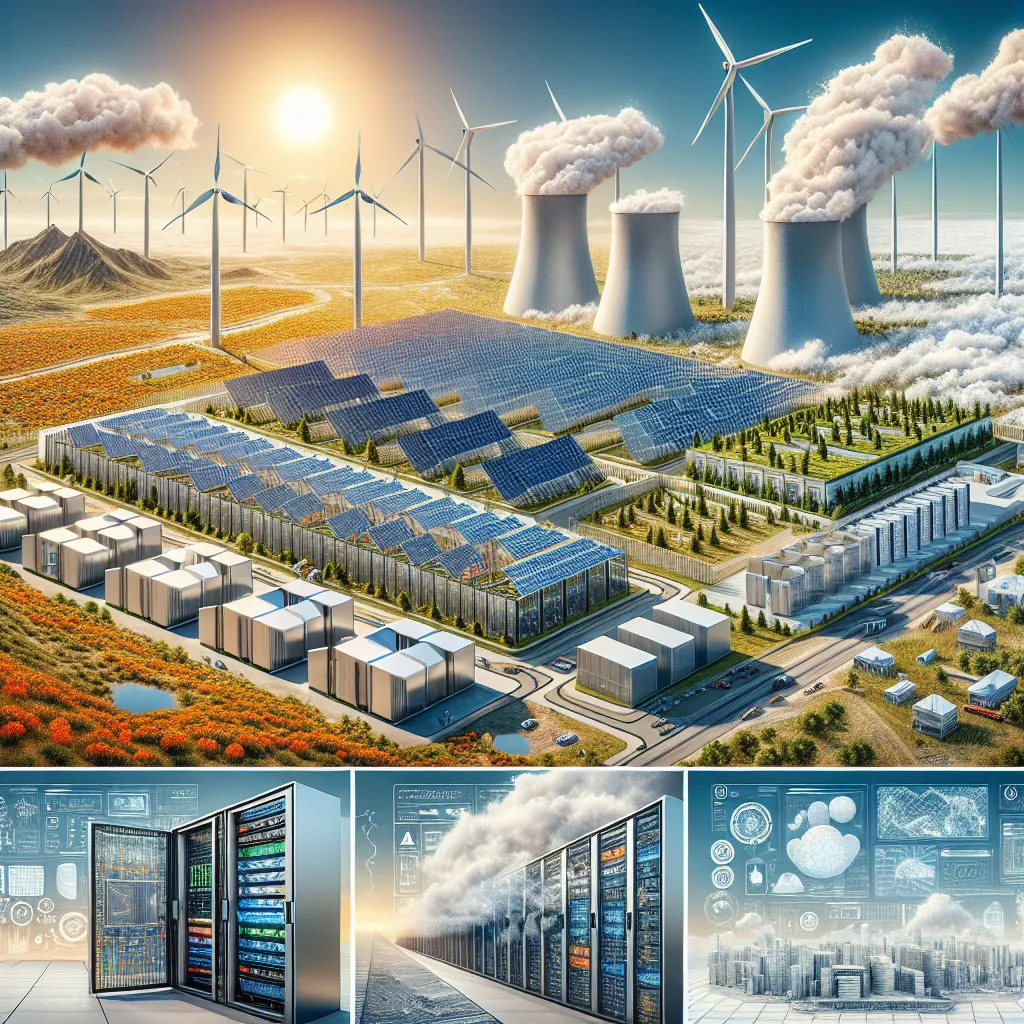
Description
Off-Grid Data Center Solution that aims to create self-sustaining data centers powered entirely by renewable energy sources, such as solar and wind, combined with advanced energy storage systems like batteries or hydrogen. Targeting locations with ideal environmental conditions, such as Texas for solar or Ireland for wind, these data centers would be modular, scalable, and independent of traditional power grids. The design would include efficient cooling systems and an energy management platform to optimize power usage and ensure reliability. This approach offers a sustainable, carbon-neutral alternative to traditional data centers, appealing to businesses focused on energy independence and environmental responsibility.
The Pitch
The Off-Grid Data Center Solutions concept focuses on designing and deploying data centers that operate entirely independent of traditional power grids. These data centers would rely on a combination of renewable energy sources, such as solar and wind, paired with advanced energy storage systems to ensure a consistent and reliable power supply. By targeting locations with optimal environmental conditions, such as Texas for solar power or Ireland for wind energy, these data centers could achieve high efficiency and sustainability.
Key Components:
Renewable Energy Sources:
Solar Power: Solar panels would be the primary energy source in sunny locations like Texas or Southern California. These areas receive abundant sunlight year-round, making them ideal for solar energy harvesting.
Wind Power: In locations like Ireland or the coastal regions of Northern Europe, wind turbines could be the dominant energy source due to consistent and strong wind patterns.
Hybrid Systems: In some locations, a combination of both solar and wind energy could be utilized to maximize energy generation throughout the year.
Advanced Energy Storage Systems:
Battery Storage: Large-scale battery systems (such as lithium-ion or emerging solid-state batteries) would store excess energy generated during peak production times. These batteries would ensure a stable power supply during periods of low solar or wind activity, such as nighttime or calm weather.
Hydrogen Storage: Another option could involve using excess energy to produce hydrogen, which can be stored and later used to generate electricity through fuel cells when renewable energy production is low.
Thermal Storage: In some cases, excess energy could be stored as heat, which can then be converted back into electricity when needed.
Location Selection:
Environmental Profiling: Identify and select locations with optimal conditions for renewable energy production. For instance, Texas has high solar potential, while the coastal regions of Ireland are ideal for wind power.
Land Availability and Costs: Consideration of land costs, availability, and environmental impact in potential locations. Rural or undeveloped areas with low land costs might be preferable.
Regulatory Environment: Work with local governments and regulatory bodies to ensure compliance with environmental regulations and to take advantage of any incentives for renewable energy projects.
Data Center Design and Infrastructure:
Modular and Scalable Design: The data center infrastructure should be modular, allowing for easy scaling as demand grows. Prefabricated modules could be used to simplify construction and reduce costs.
Cooling Systems: Utilize energy-efficient cooling solutions, such as liquid cooling or air-assisted liquid cooling, to reduce energy consumption. Cooling systems might also be powered by renewable energy.
Energy Management System: Implement an advanced energy management system that dynamically balances energy production, storage, and consumption. The system would optimize energy use, prioritize the most cost-effective and sustainable energy sources, and ensure the data center operates within its energy budget.
Operational Strategy:
Redundancy and Reliability: Incorporate redundancy in energy sources and storage to ensure 24/7 uptime. For example, dual battery systems or a backup hydrogen fuel cell system could provide additional reliability.
Sustainability and Carbon Neutrality: Ensure that the entire operation is carbon neutral or even carbon negative. This could involve using green building materials, offsetting any carbon emissions, and engaging in reforestation or other environmental initiatives.
Monitoring and Predictive Maintenance: Employ IoT devices and AI-driven analytics for continuous monitoring and predictive maintenance, minimizing downtime and optimizing operational efficiency.
Target Market and Applications:
Edge Data Centers: Deploy off-grid solutions as edge data centers, which are closer to end-users and require lower latency. These smaller data centers can serve localized needs while reducing the strain on larger, centralized data centers.
Disaster Recovery: Off-grid data centers can be strategically located to serve as disaster recovery sites, ensuring that critical data remains accessible even if the primary data center is compromised.
Remote and Developing Regions: Provide data center infrastructure in remote or developing regions where traditional grid infrastructure is unreliable or non-existent, facilitating digital expansion in these areas.
Business Model:
Energy as a Service (EaaS): Offer a model where clients pay for energy consumption on a subscription basis, similar to cloud services. This model would include full management of the off-grid energy infrastructure.
Partnerships and Joint Ventures: Partner with renewable energy companies, battery manufacturers, and tech companies to develop and deploy the necessary infrastructure. This could include joint ventures with local governments or utility companies.
Competitive Advantage:
Sustainability: By being entirely off-grid and powered by renewable energy, these data centers would appeal to environmentally conscious businesses and industries looking to reduce their carbon footprint.
Energy Independence: Unlike traditional data centers, which are vulnerable to grid failures and price fluctuations, off-grid data centers would have a stable, predictable energy supply. Scalability: The modular design allows for easy expansion, enabling rapid deployment in response to growing demand without significant new infrastructure investments.
Challenges and Risks:
High Initial Costs: The upfront investment for renewable energy infrastructure and advanced storage systems could be high, though it may be offset by lower operating costs over time.
Technological Limitations: Current battery and storage technologies might not yet support large-scale off-grid data centers. Continuous advancements in these areas will be crucial.
Regulatory Hurdles: Navigating environmental and energy regulations across different regions could be complex, particularly in areas with stringent regulations on land use and energy production.
Summary: The Off-Grid Data Center Solutions concept presents an innovative approach to data center infrastructure by combining renewable energy, advanced storage, and strategic location choices to create self-sustaining, carbon-neutral data centers. By targeting regions with optimal environmental profiles and leveraging modular designs, this solution could offer a competitive and sustainable alternative to traditional data centers.