Non-Profit Prisons as Catalysts for Rehabilitation
Description
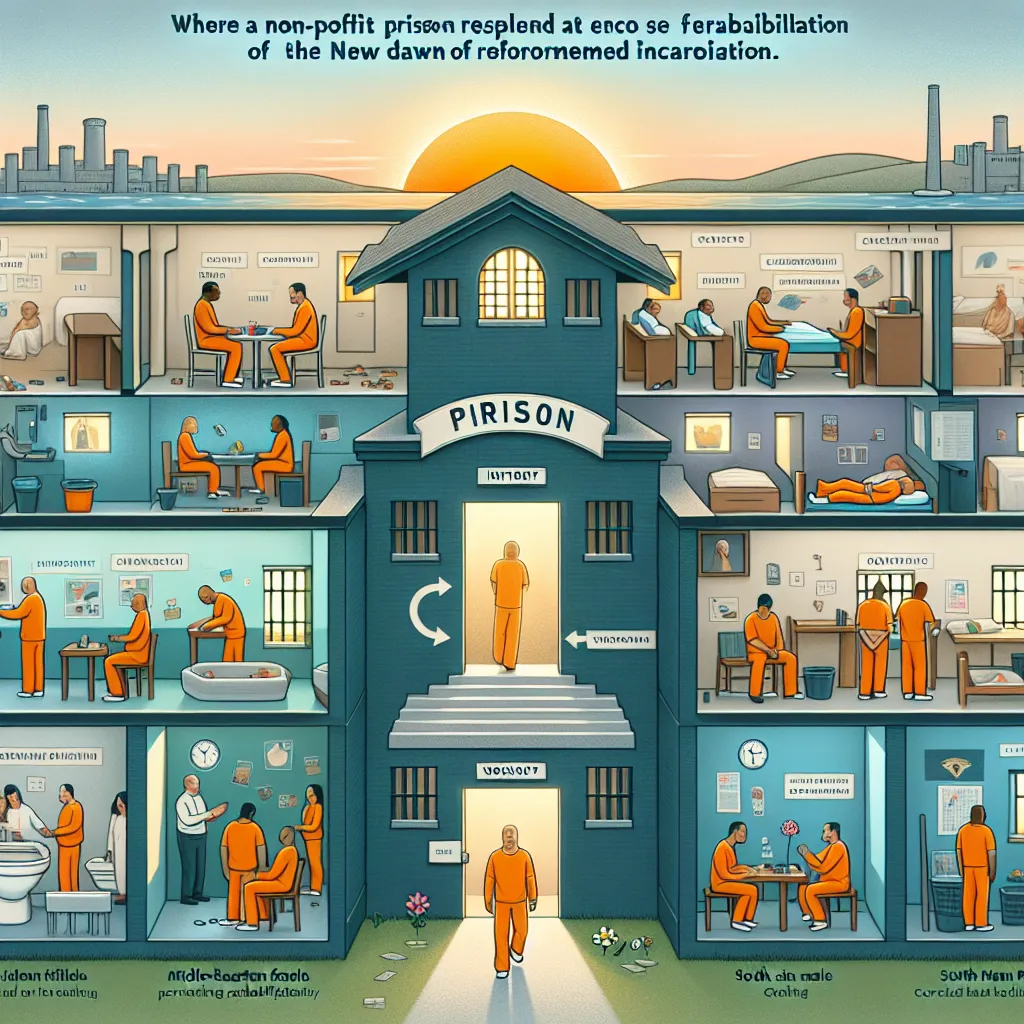
Prison reform through non-profit prisons offers a revolutionary approach to incarceration. This model involves establishing private prisons run as non-profit organizations. Unlike traditional private prisons that benefit from high occupancy rates, this model shifts the incentives. The government would only pay the prison after an inmate has served their term and remained out of prison for a specified period.
This payment structure encourages the prison to focus on rehabilitation and reintegration, aiming to reduce recidivism rather than prolong incarceration. The non-profit prison would be motivated to provide effective education, job training, and mental health services, ensuring inmates have the support needed to reintegrate successfully into society. By aligning financial incentives with positive outcomes, this model addresses the fundamental issues of the current prison system, fostering a more just and effective approach to criminal justice.
The Pitch
The current penal system, especially within the framework of private prisons, often emphasizes profit over rehabilitation. This creates an environment where high occupancy rates are desirable, leading to longer sentences and higher levels of recidivism. The lack of focus on effective rehabilitation strategies results in a cyclical pattern where individuals are continually reincarcerated, posing significant social and economic costs.
Solution Overview: We propose a novel system of private prisons operated as non-profit entities, fundamentally transforming the incentives that drive the incarceration system. This initiative, named “Second Chance Facilities”, would operate under a unique funding model where the government compensates the facility based solely on successful reintegration metrics. This model emphasizes rehabilitation and support, preparing inmates for a sustainable life outside of prison walls.
Target Audience: Our primary stakeholders are: 1. Government bodies responsible for corrections and rehabilitation. 2. Inmates who are currently underserved in traditional for-profit incarceration facilities. 3. Community organizations that are involved in post-release integration. 4. Criminal justice reform advocates who can support and promote the adoption of this model.
Value Proposition: “Second Chance Facilities” offers a sustainable and ethically responsible model for reducing recidivism and enhancing public safety. By aligning the prison's financial incentives with the successful reintegration of former inmates, we ensure that these individuals receive the necessary support and training to reintegrate into society successfully, thereby reducing the likelihood of reoffending and improving community ties.
Market Analysis: Recent trends in criminal justice reform show a growing disdain for for-profit prison models, with concerns over unethical practices and ineffective results. Legislative changes in several states indicate a move towards more rehabilitation-focused incarceration strategies. Our model presents a unique opportunity to lead this transformation, filling a niche for ethical and sustainable correctional practices.
Implementation Plan: 1. Pilot Program: Launch a pilot non-profit prison with a capacity of 200 inmates, integrating comprehensive rehabilitation programs, including educational courses, vocational training, and mental health support. 2. Stakeholder Engagement: Collaborate with government agencies, non-profits, and community organizations to ensure holistic support and effective integration of the program. 3. Performance Tracking: Implement a robust system to track post-release success and recidivism, adjusting programs as needed to enhance effectiveness. 4. Scale and Replicate: Based on the successes of the pilot, expand the program state-wide, then nationally, adapting the model to different regions and populations.
Monetization Strategy: The facility will be funded by government contracts awarded based on a 'pay-for-success' model. Payment will only be disbursed if an inmate does not return to prison for a predefined period post-release, ensuring the prison's primary focus remains on effective rehabilitation and reintegration services. Additional funding will be sourced from grants and donations geared towards criminal justice reform.
Impact Assessment: Success will be measured by: 1. Reduction in recidivism rates among participants compared to the national average. 2. Successful employment and stable housing statistics for released inmates. 3. Cost savings for the government in long-term incarceration expenses and reduced crime rates. 4. Qualitative assessments of inmate well-being and post-release satisfaction.
By redefining the motivation behind incarceration from profit to successful societal reintegration, “Second Chance Facilities” aims to provide a scalable and replicable model that realigns the objectives of the criminal justice system with the broader goals of society. This proactive approach not only aids in reducing recidivism but also enhances public safety, fosters community development, and promotes a more healed society.