No-Code Platform for AI-Driven Virtual Avatars
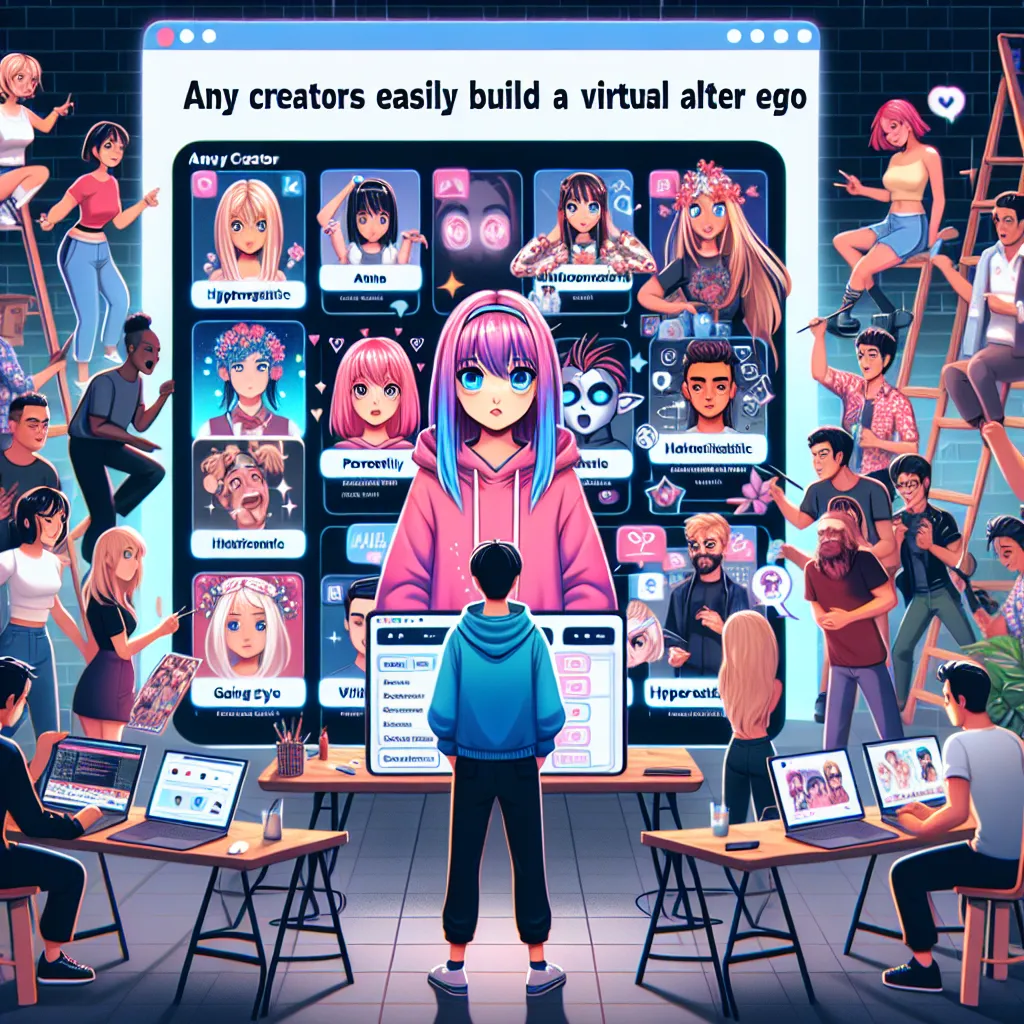
Most virtual creators today are manually crafted. But what if any creator could easily build a virtual alter ego? Problem: High technical barriers prevent most creators from entering the virtual space. Solution: A no-code platform that lets creators design, voice, and deploy an AI-driven virtual version of themselves — pick aesthetics (anime, hyperrealistic, gaming-style), personality traits, and let it run livestreams, Shorts, or even AI collabs. Why now: Advances in generative AI and motion capture democratize avatar creation. Example: A lifestyle YouTuber could spin up a ‘virtual twin’ to test new content styles or reach new audiences without diluting their personal brand.
Description
No additional description provided.
The Pitch
In recent years, the rise of virtual creators has transformed the digital landscape, but the process of creating these virtual personalities remains complex and inaccessible for many. Traditional methods require significant technical expertise in areas like 3D modeling, animation, and AI programming, which can deter the average content creator from entering this innovative space. This barrier limits creative possibilities and potential audience reach for many aspiring creators who wish to explore virtual personas.
Imagine a solution that makes it possible for any creator, regardless of technical skill, to build their own virtual alter ego. We propose the development of a no-code platform designed to simplify the creation and management of AI-driven virtual avatars. This platform will empower creators to design and deploy digital versions of themselves by selecting various aesthetics, ranging from anime and hyperrealistic to gaming styles. Additionally, it will offer customizable personality traits, enabling avatars to autonomously run livestreams, produce Shorts, or collaborate using AI.
Recent advancements in generative AI and motion capture technologies have opened new avenues for democratizing avatar creation. With these technologies becoming more accessible and cost-effective, the market is ripe for a solution that leverages these innovations to lower entry barriers for creators.
To illustrate, a lifestyle YouTuber could utilize this platform to develop a ‘virtual twin’ that explores new content styles or taps into different audience segments, all while maintaining the integrity of their personal brand. This approach allows for experimentation without the risk of alienating existing followers.
The proposed product will cater to creators who aspire to expand their digital presence through virtual characters without the need for extensive technical knowledge. Key features will include:
- A user-friendly, drag-and-drop interface for avatar design. - Integration with popular streaming services and social media platforms. - Customizable AI behavior scripts for automated content generation. - Real-time motion capture capabilities using off-the-shelf webcams or smartphones. - A library of pre-designed assets and templates to speed up the creation process.
For building and launching this MVP, developers can leverage tools such as:
- Unity or Unreal Engine for designing interactive and realistic avatars. - OpenAI or GPT-based models for generating natural, conversational AI scripts. - WebRTC for enabling real-time data flow during livestreams. - AWS or Azure for scalable backend infrastructure.
A strategic go-to-market (GTM) approach will focus on:
- Partnering with major platforms like YouTube, Twitch, and TikTok to integrate seamlessly into their ecosystems. - Collaborating with influencer networks to drive awareness and adoption among early adopters. - Utilizing a freemium model, offering basic features for free with premium enhancements available through a subscription. - Hosting webinars and tutorials to educate potential users on the platform's capabilities.
The proposed business model would hinge on a subscription service, allowing users to choose from various tiers based on their needs. This could range from basic entry-level access to advanced features for more serious creators. Additionally, monetization could be bolstered through in-app purchases of assets and enhancements, as well as offering enterprise solutions for brands looking to create their own virtual brand ambassadors.
In conclusion, by removing technical obstacles and providing creators with the tools they need to easily craft and control virtual avatars, this platform has the potential to revolutionize content creation and expand the reach of digital artists, entertainers, and influencers worldwide.