No-Code AR Tool Levels Ecommerce Playing Field
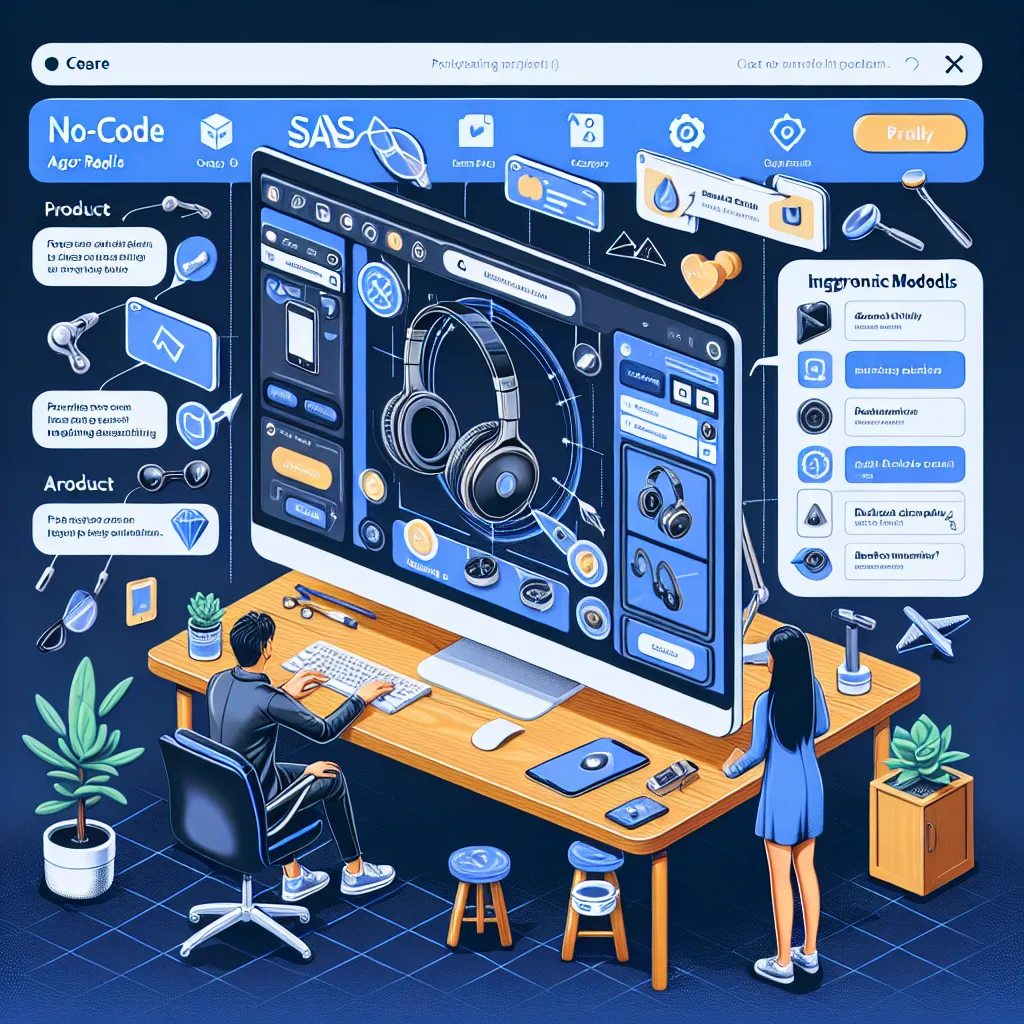
Snapchat’s Lens Studio is powerful, but inaccessible to most small business owners who want to create AR campaigns. This SaaS tool gives electronics brands and indie sellers a no-code way to build AR product try-ons and shoppable filters. Think Canva for AR ads: drag-and-drop product models, preview on your desk or ears, then publish directly to Snap or TikTok. With AR becoming a new standard in ecommerce, this levels the playing field and enables even niche sellers to punch above their weight with immersive experiences.
Description
No additional description provided.
The Pitch
In the rapidly evolving landscape of digital marketing, augmented reality (AR) is emerging as a transformative force, particularly in the realm of e-commerce. However, fewer resources are available for small businesses and indie sellers who wish to leverage AR for product marketing. The traditional tools for AR development, like Snapchat’s Lens Studio, although potent, are not user-friendly for those who lack technical expertise or substantial financial resources. This creates a significant barrier for small businesses that wish to remain competitive in a digital-first marketplace.
The primary challenge lies in the technical complexity and cost associated with creating AR content. Most small business owners either have to invest heavily in hiring skilled developers or rely on limited and less effective marketing techniques. This gap prevents them from utilizing cutting-edge marketing strategies that could significantly enhance customer engagement and conversion rates.
Herein lies the solution: a no-code SaaS tool designed specifically to empower small electronics brands and independent sellers by simplifying the creation of AR product try-ons and interactive shoppable filters. This platform can be aptly described as a Canva for AR ads. It facilitates a drag-and-drop interface that allows users to easily upload 3D models of their products, customize interactive features, and immediately see previews in real-world settings, such as on a desk or on one's ears for wearables. Upon completion, users can publish these creations directly to major social platforms like Snapchat and TikTok, reaching a broad audience with minimal effort.
Product Details: 1. **User-Friendly Interface**: The tool offers an intuitive drag-and-drop design, eliminating the need for coding knowledge. 2. **Wide Compatibility**: Users can integrate 3D models from popular design software, ensuring seamless consistency. 3. **Real-time Preview**: The platform provides real-time AR previews, enabling users to test and adjust their creations dynamically. 4. **Direct Publishing**: Users can publish AR content directly to social media platforms, streamlining the content deployment process. 5. **Analytics Dashboard**: An integrated analytics feature helps track engagement and conversion metrics, allowing for data-driven marketing decisions.
Launching this tool as a Minimum Viable Product (MVP) is achievable with the use of readily available software development kits (SDKs) such as ARCore for Android, ARKit for iOS, and WebAR. These tools simplify the development process and reduce launch times. Utilizing platforms like Bubble.io or Glide for the app's frontend and Firebase for backend services can facilitate rapid development while maintaining flexibility for future iterations.
For the Go-to-Market (GTM) strategy, targeting niche markets within e-commerce, such as indie brands and small retailers, is paramount. Establish partnerships with influencer marketers and digital marketing agencies that specialize in AR to create buzz and credibility. Host webinars and interactive online workshops showcasing the tool's capabilities to attract prospective customers.
The business model can revolve primarily around a subscription-based tiered pricing system. Offer a free tier with limited features to attract users, and advanced tiers offering additional functionalities and content publishing options. Integrate upsells for premium templates, 3D models, and advanced analytics tools.
In sum, by lowering the entry barriers to AR marketing, this tool will not only enable small businesses to remain competitive but also foster innovation across the e-commerce landscape. With a strategic approach focusing on accessibility and usability, small businesses can enhance their marketing efforts and reach consumers in more engaging and effective ways.