NIL Eligibility Insurance for College Athletes
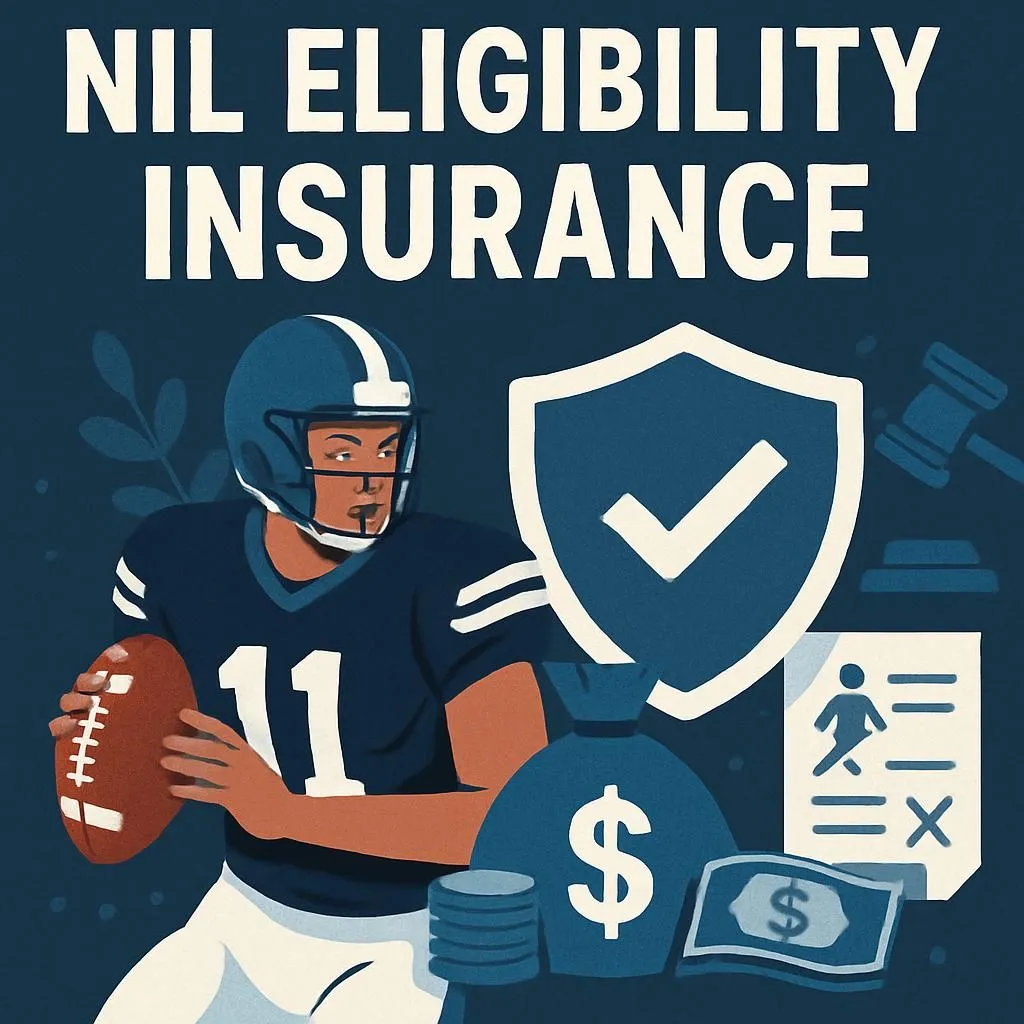
College athletes are increasingly building meaningful income streams through NIL deals, but a single eligibility ruling, injury, NCAA policy change, or failed appeal can erase an entire season of earnings overnight. As eligibility becomes more complicated and valuable, athletes, families, and agents face a financial risk that previously didn’t exist. A NIL Eligibility Insurance company would underwrite this risk, providing policies that compensate athletes if they lose a season of eligibility due to qualifying events. The company could use athlete performance, NIL contracts, injury history, and legal circumstances to price coverage. The timing is ideal because NIL has transformed college athletics into a professionalized market, and the NCAA’s new eligibility rules create uncertainty around future earning potential. For example, a quarterback projected to earn $500,000 in NIL next season could purchase a policy protecting a portion of that income if a rule change or eligibility dispute prevents him from playing.
Description
No additional description provided.
The Pitch
College sports has quietly created an asset class before creating the financial infrastructure to protect it. A top athlete’s next season is no longer just a chance to compete; it is a short-lived income-producing asset with endorsement contracts, appearance fees, social media value, and transfer-market leverage attached to it. Yet unlike a professional salary, this income can disappear through procedural uncertainty rather than poor performance. The strange part is not that athletes would insure this risk; it is that a market worth millions per player still relies on families absorbing binary legal and administrative outcomes themselves.
The best version of this business would not merely sell peace of mind. It would become one of the first institutions capable of translating eligibility uncertainty into a price. That matters because today the risk is discussed emotionally and legally, but not financially. If an insurer can distinguish between a routine waiver issue, a high-risk transfer history, a medical red flag, and a genuinely unpredictable NCAA interpretation, it creates a new kind of signal for athletes, agents, schools, and sponsors. In markets with ambiguity, the party that prices risk well often becomes more important than the party that simply pays claims.
The timing is unusually attractive because NIL income is both large enough to insure and unstable enough to make insurance feel rational. Traditional disability insurance protects athletes from bodily catastrophe, but the modern college athlete can lose earnings without ever getting hurt. That creates a gap between how sports insurance has historically been designed and how college sports now actually works. The most valuable risk may no longer be “Can you play professionally someday?” but “Will the system let you monetize the season everyone expects you to have?”
This business also has an unusual advantage: the customer is often surrounded by financially motivated adults who already think in terms of downside protection. Agents, collectives, sponsors, and families all benefit when an athlete’s expected NIL income becomes less fragile. Insurance turns a chaotic eligibility environment into something that can be planned around, borrowed against, or negotiated with more confidence. In that sense, the product is not just protection against loss; it is a way of making NIL income feel more real before it arrives.
The deeper thesis is that college athletics is becoming professional faster than its institutions can admit. Wherever professionalism appears without stable contracts, insurance tends to follow. NIL eligibility insurance would be compelling because it fits the awkward middle stage perfectly: athletes are now economic actors, but their earning rights still depend on a rulebook that can change, surprise, or contradict itself. A company that can make that uncertainty legible would occupy a valuable position in the new financial layer of college sports.