Next Generation Restaurant Menus: Revolutionizing the Dining Experience with AI
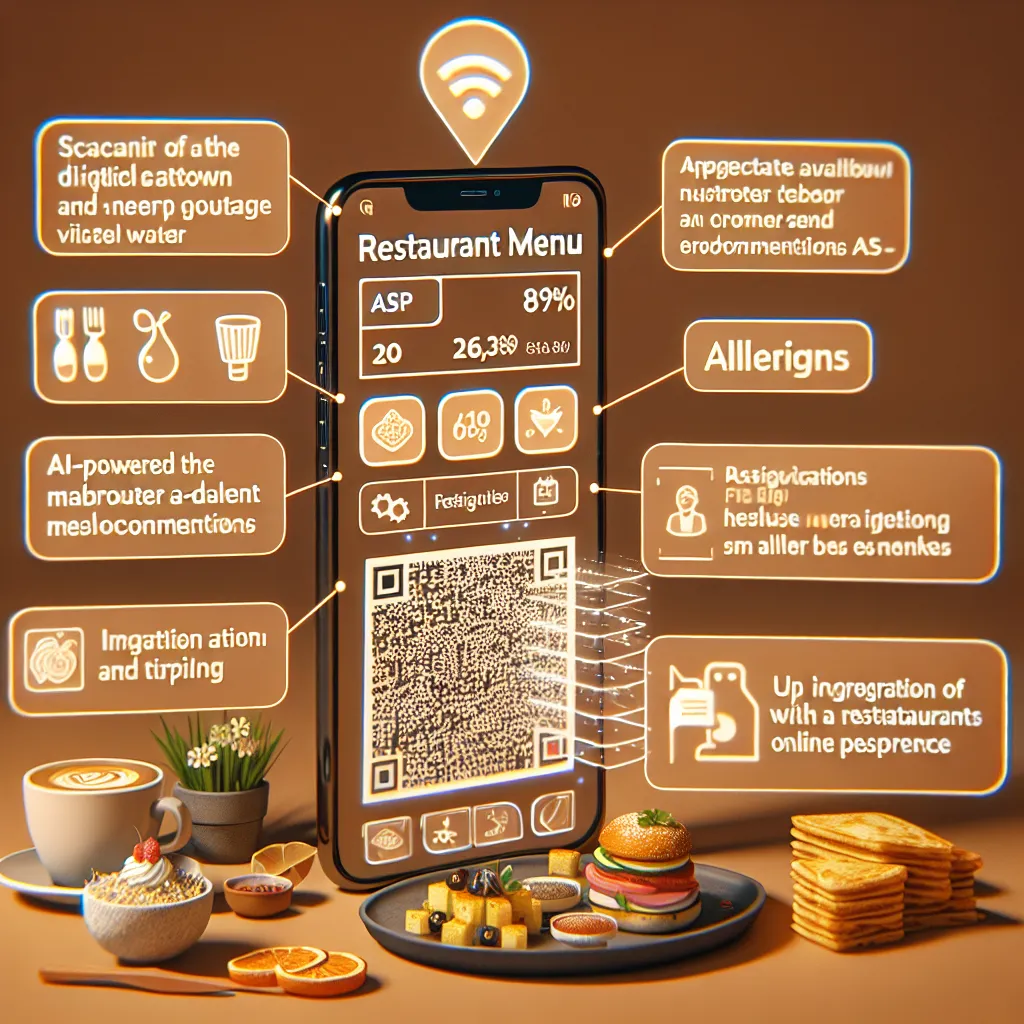
Next Generation Restaurant Menus proposes an AI-powered solution to improve the user experience of digital QR code menus, which have become prevalent in the restaurant industry post-COVID but are often poorly designed and hard to use. The idea is to create customizable, mobile-friendly menus that not only display essential details like prices, macronutrients, and allergens, but also feature videos of dishes and an AI-powered virtual waiter to answer customer questions and provide personalized meal recommendations. The product could integrate with POS systems for payments and tipping, and even serve as a foundation for updating a restaurant's website, crucial for attracting Gen Z customers who expect to check menus online before dining. The business model involves testing the software with small restaurants before scaling to larger chains, and generating revenue through a monthly subscription. The ultimate goal is to build a product that could be acquired by a major player in the restaurant software space, such as Flipdish.
Description
No additional description provided.
The Pitch
In the early 21st century, the humble QR code was on its way to irrelevance. Once a technological novelty, it had struggled to find practical, widespread application in daily life. But an unexpected catalyst changed everything: the COVID-19 pandemic. Almost overnight, QR codes became essential tools for contactless interactions—concert tickets, boarding passes, and most notably, restaurant menus. Despite their sudden ubiquity, however, QR code menus have largely failed to deliver a seamless user experience. These menus are often difficult to navigate, poorly formatted, and inferior to traditional printed versions. Yet, given the shift toward contactless solutions, it seems QR codes in restaurants are here to stay. The problem is clear: while the medium is evolving, the execution remains stuck in the past.
This is where Next Generation Restaurant Menus comes in, presenting an opportunity to not just improve QR code menus but to revolutionize them. By leveraging cutting-edge AI and innovative design, we can transform digital menus into an engaging, informative, and highly personalized dining experience.
The Solution: An AI-Powered, Interactive Digital Menu Imagine a restaurant menu that does more than just list dishes and prices—it informs, entertains, and helps diners make better choices. The solution is a next-generation digital menu, accessed via a QR code but packed with far more advanced features than current offerings. Here’s what sets this concept apart:
Customizable, Beautiful Mobile Menus: Menus will be designed specifically for mobile devices, with clean, intuitive layouts that make browsing a pleasure. Restaurants can customize their menus to reflect their brand's personality, offering a visual experience that aligns with their ambiance. The basics like prices, ingredients, and allergen information will be clear, but the potential goes far beyond that.
Dish Videos: One key enhancement is the inclusion of short videos that show each dish being prepared or plated. While it’s true that food rarely looks as good in real life as it does on Instagram, carefully produced videos can offer customers a much more realistic idea of what to expect, enhancing their dining experience and helping them make confident decisions.
AI-Powered Waiter: This is where the real game-changer comes in. By integrating GPT-powered AI, the menu becomes more than a static list of options—it becomes an interactive tool. Diners can ask the AI “waiter” questions about the menu and get personalized recommendations based on dietary preferences, allergies, or even mood. For instance, a customer could ask, “What vegan, gluten-free, and low-carb dishes do you recommend?” The AI would then suggest the best options from the menu, tailored to the customer’s needs. The AI could also answer questions about ingredients, cooking methods, and the restaurant’s sourcing practices.
Seamless Integration with Restaurant Systems: The possibilities extend beyond the menu itself. By integrating with a restaurant's EPOS (electronic point of sale) systems, this solution could handle not only ordering but also payments, tipping, and even loyalty programs. This eliminates the need for waitstaff to manually input orders and creates a frictionless dining experience where customers can place orders and pay directly from their phones.
Website Overhaul Opportunity: Given that 40% of Gen Z diners refuse to visit a restaurant without first checking the menu online, this solution could serve as the backbone for a broader online presence. Restaurants could use the menu platform to revamp their websites, making them more engaging, functional, and optimized for mobile. By doing so, restaurants could attract more customers, particularly from younger generations who expect a seamless digital experience.
Go-to-Market Strategy (GTM) Launching Next Generation Restaurant Menus will require a strategic approach, beginning with small, independent restaurants and scaling to larger chains over time. Here's how the go-to-market strategy would unfold:
Initial Pilots with Independent Restaurants: Start by targeting small, independently owned restaurants that may not have the budget for extensive digital transformations but are eager to improve the customer experience. Offer them a trial period with discounted or even free access to the platform. Use these initial pilots to gather feedback, make adjustments, and build case studies showcasing how the digital menus improved customer satisfaction, increased sales, or even reduced wait times for orders.
Building Partnerships with Restaurant Technology Providers: Collaborate with existing restaurant technology providers, such as EPOS systems, to integrate the menu solution into their offerings. This could open up channels to larger restaurant groups that already use these systems and are looking for new ways to enhance the customer experience.
Influencer and Word-of-Mouth Marketing: Engage food influencers and bloggers to showcase the product in action. Their reach can amplify awareness among restaurant-goers, making the solution attractive to restaurants wanting to stand out from competitors. Encourage diners to share their experiences with the menus on social media, further spreading the word.
Scaling to Larger Chains: Once the product has been refined through smaller pilots, it can be pitched to larger restaurant chains. At this point, having data on how the product improves key metrics like order size, customer satisfaction, or speed of service will be critical in landing bigger clients.
Business Model: SaaS for Restaurants The business model for Next Generation Restaurant Menus is straightforward but scalable:
Subscription Model: Restaurants would pay a monthly subscription fee to use the platform. The fee structure could vary based on the size of the restaurant, the number of menu items, and additional features like video integration or AI-powered recommendations.
Tiered Pricing: Offer a tiered pricing structure that allows restaurants to scale up their use of the product as they grow. For example, the basic tier could include a mobile-friendly menu with pricing and allergen information, while premium tiers could include AI waiters, video content, and EPOS integration.
Add-On Revenue Streams: As the product matures, there could be opportunities to add revenue streams like premium customizations, analytics dashboards (e.g., seeing which dishes get the most engagement), and loyalty program integration.
Startup Costs and Execution As a software business, the initial startup costs are relatively low compared to more hardware-heavy ventures. The key to execution will be assembling the right team:
Technical Co-Founder: The first step will be to bring on a technical co-founder who can lead the development of the AI-powered platform. Building an AI model that can recommend dishes and answer customer queries will require significant expertise, but existing frameworks like GPT can serve as a foundation.
Design and User Experience (UX): Since the product will rely heavily on a user-friendly design, bringing in a talented UX/UI designer is crucial. The menus must not only be functional but also visually appealing, offering an experience that surpasses that of printed menus.
Sales and Partnerships: A business development team will be essential in securing pilot projects with restaurants, building relationships with EPOS providers, and eventually scaling to larger chains.
The Path to Profitability and Exit The restaurant tech space is already home to massive success stories like Flipdish, an Irish unicorn valued at over $1 billion. The goal for Next Generation Restaurant Menus is to create a highly valuable software product that could be acquired by a major player in the industry.
The exit strategy would focus on positioning the product as a seamless addition to the portfolio of a large restaurant technology company. Flipdish, Toast, or even payment processing giants like Square could see the value in integrating AI-powered menus into their existing platforms. Alternatively, the company could grow independently, continually adding new features to become a leader in digital restaurant menus and services.
In conclusion, Next Generation Restaurant Menus isn’t just about making QR code menus better—it’s about rethinking the entire customer experience in restaurants through the power of AI and digital innovation. The opportunity is ripe to create a product that not only solves existing problems but opens up entirely new possibilities for how restaurants engage with their customers. The future of dining is digital, and this product is leading the way.