Next-Gen Shopping: Multi-Modal Commerce Agents
E-commerce is still screen-locked. But users are moving into immersive and ambient contexts—voice in the kitchen, AR while shopping in-store, VR while gaming. Current shopping UX doesn’t translate across modalities. The solution: multi-modal commerce agents that travel with you. See a couch in AR? Ask your headset agent to price-match and order. Out of detergent mid-laundry? Tell your smart speaker to restock, with instant agent checkout. Why now? Because ACP decouples the interface from the transaction stack—you don’t need to rebuild logistics, just layer new UX on top. Example: imagine walking through your living room with an AR headset, pointing at your old coffee table, and saying, “Find me a sustainable upgrade under $300.” The agent overlays options in your space, lets you swipe to pick one, and handles payment invisibly. By combining modality and agentic rails, shopping becomes embedded in everyday life rather than locked in a browser tab.
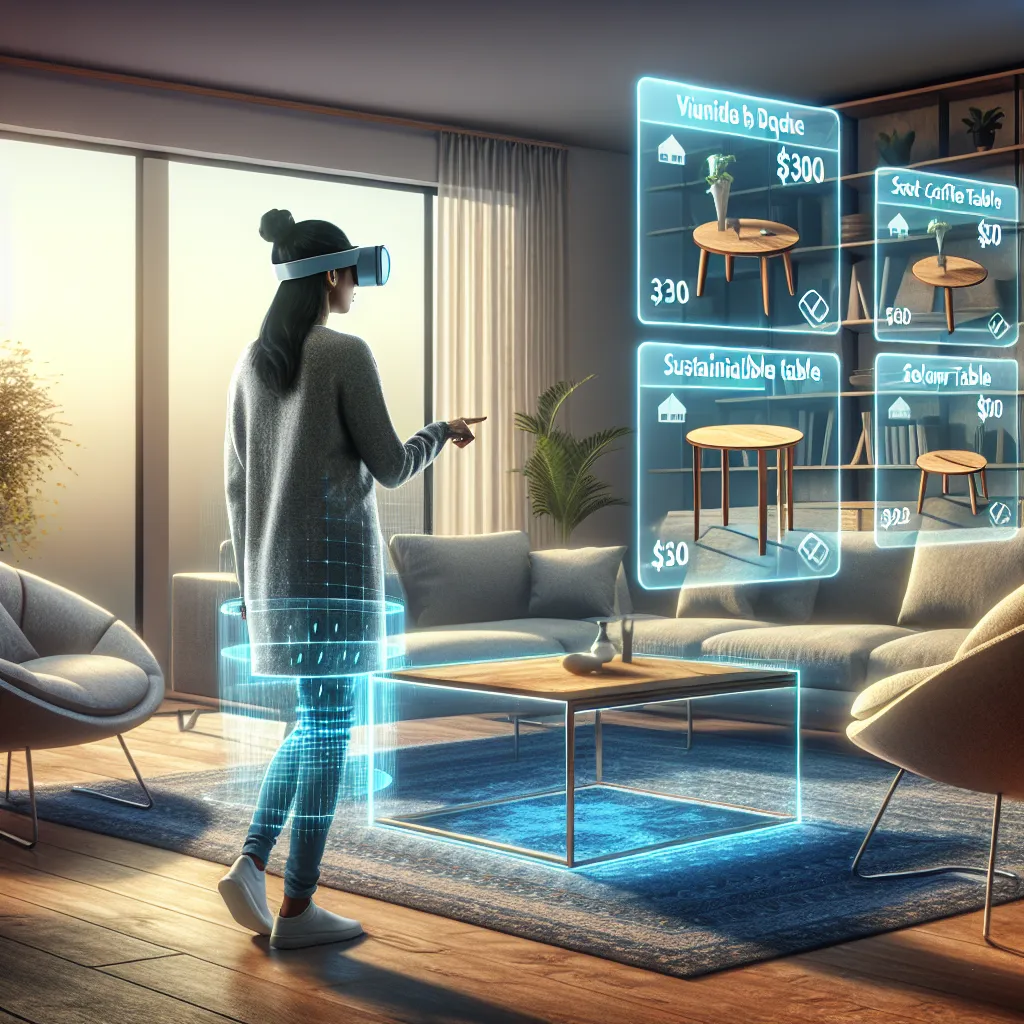
Description
No additional description provided.
The Pitch
As technology continues to evolve, the landscape of e-commerce is poised for a transformative shift. Despite significant advancements in online shopping, the experience often remains confined to screens, limiting user engagement and convenience. The rise of immersive technologies such as augmented reality (AR), virtual reality (VR), and voice-activated systems opens new avenues to engage consumers. However, existing shopping experiences struggle to adapt seamlessly across these diverse modalities. The core issue is a lack of fluidity and integration, as current systems are designed with a single interface in mind.
Problem Today's consumers interact with technology in various forms—whether through voice commands to a smart assistant, browsing through a virtual storefront in AR, or ordering through traditional web interfaces. Yet, the shopping experience fails to translate effortlessly across these platforms. For instance, browsing and buying furniture online lacks context when compared to experiencing how it might look in one's living space through AR. Similarly, voice assistants are often limited to executing predefined commands instead of offering personalized shopping assistance. These siloed approaches create friction and limit the potential of modern technology to enhance shopping convenience and personalization.
Solution The emerging solution lies in the development and implementation of multi-modal commerce agents. These intelligent systems are designed to accompany users across various digital and physical environments, offering seamless shopping experiences that transcend traditional interfaces. Picture finding an AR visual of a couch while browsing through a furniture store with a headset, then asking a virtual agent to price-match and place an order with just a command. Envision being mid-laundry and running out of detergent, where a simple request to your smart speaker results in an instant reorder and checkout. The key innovation here is the separation of user interface from transaction logistics, thanks to advances in Adaptive Commerce Protocols (ACP). This allows new user experiences to layer atop existing commerce infrastructures without the need for a complete rebuild.
Product Details The envisioned multi-modal commerce agent serves as a universal shopping assistant that integrates AR, VR, and voice interfaces. It leverages AI to understand user preferences, context, and history, offering personalized recommendations in real-time. With AR, users can visualize products in their environment, make comparisons, and complete purchases effortlessly. Voice interactions allow for hands-free convenience, ideal for multitasking households. The agent's VR capabilities enhance immersive retail experiences, providing virtual showrooms and interactive demos. The platform is designed for easy integration with existing e-commerce systems, leveraging APIs to communicate with diverse sales channels.
Tools and Technologies for MVP Launch 1. AR and VR SDKs: Utilize software development kits from platforms like ARKit or Unity to build the immersive aspects of the agent experience. 2. AI and Natural Language Processing: Leverage AI frameworks like TensorFlow for recommendation systems and NLP libraries for voice interaction. 3. API Integration: Use RESTful APIs to connect with current e-commerce platforms for seamless transaction and inventory management. 4. Cloud Services: Deploy on platforms like AWS or Google Cloud for scalability and reliability. 5. Prototyping Tools: Employ tools like Figma or Adobe XD to design a sleek, intuitive user interface across modalities.
Go-to-Market Strategy 1. Partnerships: Collaborate with AR headset manufacturers, smart speaker brands, and VR developers to integrate the agent into popular consumer devices. 2. Influencer Marketing: Engage with tech influencers to showcase the innovative features and convenience of the agent across social media platforms. 3. Early Adopters: Target tech-savvy consumers and Pilot programs with tech-forward retailers to gain initial traction and feedback. 4. Educational Content: Produce content that highlights the ease and advantages of using multi-modal commerce for everyday shopping, helping to drive consumer adoption.
Business Model The business model hinges on a B2B2C approach. Multi-modal commerce agents are offered as a service to retailers and manufacturers, enabling them to enhance their customer engagement across new platforms. A subscription-based model can provide access to the agent platform, with added analytics and custom features as premium options. Additionally, transaction-based fees can be implemented, where a small percentage of each sale facilitated by the agent is collected. White-label solutions may be offered to brands looking to maintain their identity while utilizing the powerful technology beneath.
Conclusion With the convergence of AR, VR, and voice technologies, combined with intelligent agent systems, the future of shopping is poised to be more integrated and more intuitive than ever. By developing a multi-modal commerce agent, we open up a world where shopping becomes an easily accessible, contextually relevant, and delightful part of daily life, transcending the limitations of traditional e-commerce interfaces.