Newborn Immune Risk Forecasting from Prenatal & Immediate Postnatal Data
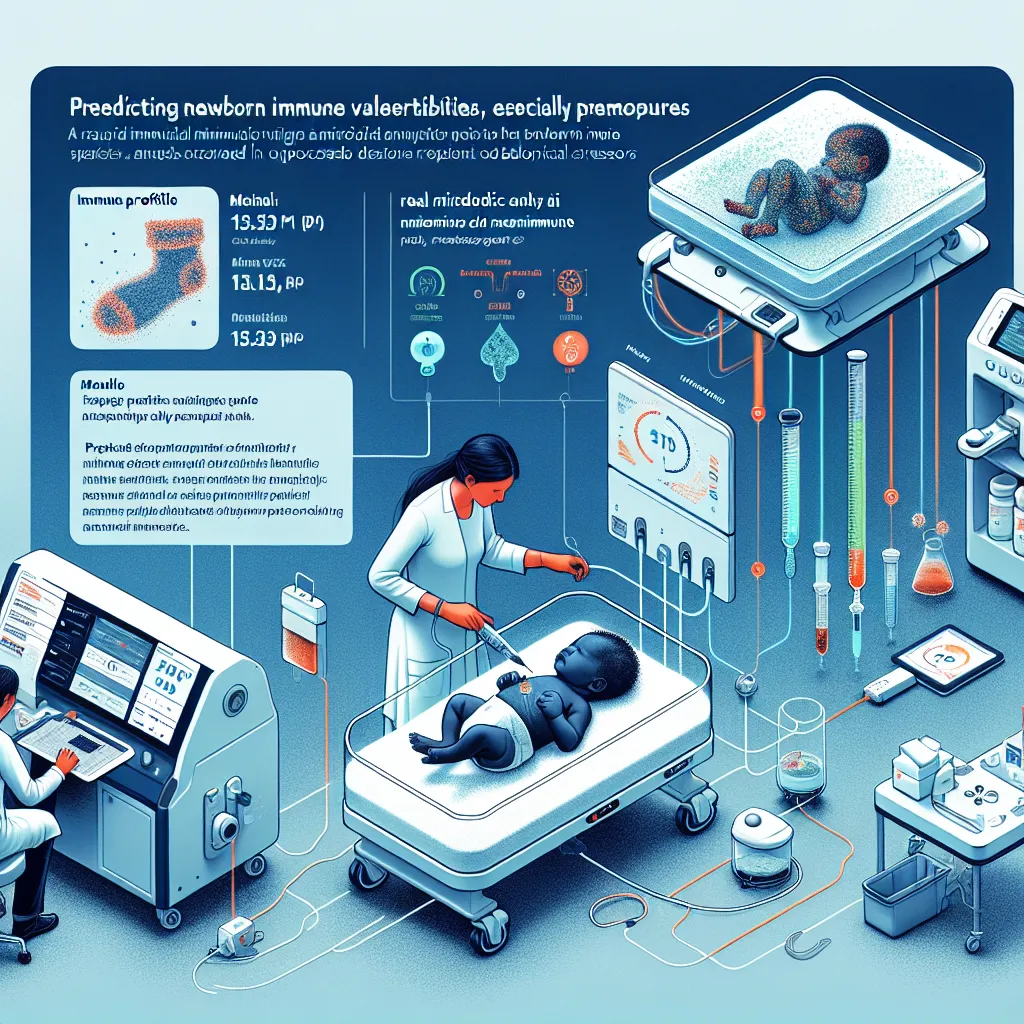
Every year, millions of newborns—especially premature ones—face life-threatening infections without early warning, leaving doctors scrambling to react rather than prepare. But what if we could forecast a baby’s immune vulnerability before or immediately after birth? This startup would combine maternal immune profiling in late pregnancy with real-time microfluidic analysis of the newborn’s immune cells at birth (via BLIPI) to deliver an “Immune Readiness Score.” The system would analyze how the baby’s immune system is likely to respond to stressors like infection or inflammation over the first few days of life, helping NICUs stratify risk and intervene early. Why now? MIT’s new BLIPI device allows for detailed immune-cell function profiling from a single blood drop, while prenatal testing already captures maternal immune markers. Together, these two inputs—maternal and neonatal—can be fed into AI models trained on outcomes data to forecast short-term immune vulnerability. Example: a mother in labor receives a rapid immune panel; once the baby is born, a heel-prick test runs through BLIPI, and the combined data signals moderate sepsis risk. The care team preemptively monitors and intervenes before symptoms arise. This approach takes existing tools and data and turns them into a proactive immune safety net for newborns.
Description
No additional description provided.
The Pitch
Each year, millions of newborns, particularly those born prematurely, confront serious infections without early detection, compelling healthcare providers to react rather than prepare. The ability to predict a newborn’s immune vulnerability before or immediately after birth could revolutionize neonatal care. This concept seeks to combine maternal immune profiling during late pregnancy with real-time microfluidic analysis of the newborn’s immune cells at birth using a system we'll call the Immune Readiness System. This would generate an “Immune Readiness Score” to guide neonatal intensive care units (NICUs) in assessing risk and enabling early intervention.
Backstory and Problem
In neonatal care, timely identification of immune vulnerability is critical. Premature infants, in particular, are at an increased risk of infections, which can rapidly progress, leading to severe complications. Current methods offer limited proactive insights, forcing medical personnel to often act post-onset of symptoms rather than intercept potential issues. This delay can lead to prolonged hospital stays, increased healthcare costs, and, most critically, diminished outcomes for newborns.
Solution
The proposed system leverages two main advancements:
1. The maternal immune profile at the end of pregnancy captures significant immune markers that might impact newborn health. 2. The MIT-developed BLIPI device enables detailed immune cell function profiling from a minimal blood sample, making it efficient for newborn screening.
When these insights are integrated using advanced AI models trained on existing outcomes data, they give rise to an Immune Readiness Score. This score assesses how a newborn's immune system might handle stressors such as infections or inflammation during the initial days of life.
Product Details
The Immune Readiness System would function as follows:
- Maternal Immune Testing: In the late stages of pregnancy, expectant mothers undergo an immune panel test to assess their immune markers.
- Newborn Testing: Immediately after birth, a heel-prick blood sample is analyzed using the BLIPI device.
- Data Integration and Analysis: The results from both tests are combined and processed through AI algorithms trained on neonatal outcomes data to calculate the Immune Readiness Score.
- Actionable Insights: Based on the score, healthcare providers can stratify risk levels and develop a proactive monitoring and intervention plan for each newborn, reducing the window for complications.
Tools for MVP Development
To quickly bring this system to market, consider the following tools and technologies:
- AI and Machine Learning Frameworks: Utilize TensorFlow or PyTorch for building and training predictive models.
- Microfluidic Device Fabrication: Partner with microfluidics experts to refine and adapt the BLIPI device for seamless integration.
- Cloud Data Integration Platforms: Use AWS or Microsoft Azure for secure data storage and comprehensive analytics.
- Health Data Security and Compliance: Ensure compliance with HIPAA or GDPR through robust data encryption and access protocols.
GTM Strategy
1. Strategic Partnerships: Collaborate with major hospitals and neonatal care units that can pilot the system and provide critical data for refining the models.
2. Awareness Campaigns: Educate healthcare professionals on the benefits of proactive immune readiness through webinars and conferences.
3. Academic Collaborations: Engage with universities for research backing and validation of the technology.
4. Regulatory Approval: Work closely with regulatory bodies to gain the necessary certifications and approvals for clinical use.
Business Model
The business model could incorporate the following:
- Subscription Service: Hospitals and clinics subscribe to the Immune Readiness System, allowing them access to the AI-driven insights.
- Per-Test Fee: Charge a fee per completed maternal and newborn test, offering transparency and scalability in pricing.
- Tiered Offerings: Develop different service levels, such as basic monitoring and advanced predictive analytics, catering to diverse healthcare facility needs.
Conclusion
By creating a proactive immune safety net, this system has the potential to transform the approach to neonatal care, shifting the paradigm from reactive to anticipatory. It combines existing testing methodologies with groundbreaking analytics to offer a truly preventative measure against newborn infections, promising better start in life for millions of babies worldwide.