Neurovascular Digital Twin Predicts Brain Health
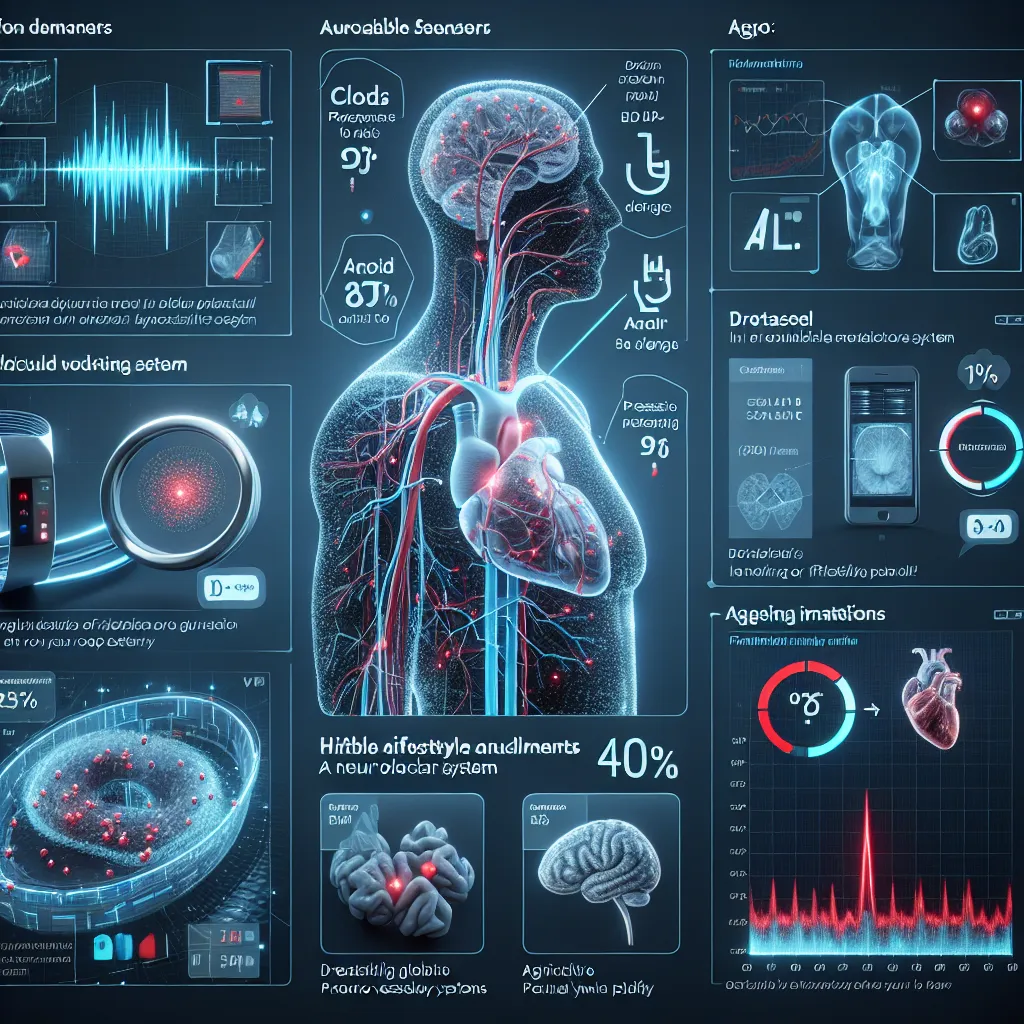
Most people track calories and steps but not blood-flow patterns in their brain. A vascular “digital twin” uses wearable sensors, blood panels, and imaging to simulate an individual’s neurovascular system — predicting clots, pressure zones, and aging patterns over time. AI models trained on millions of stroke datasets can now personalize vascular aging trajectories. Each person could visualize how lifestyle or medication changes alter their brain-aging curve. A 65-year-old might see that quitting alcohol and improving sleep reduces his 10-year stroke probability by 40%, with data backed by his own biological twin.
Description
No additional description provided.
The Pitch
In recent years, the proliferation of wearable health technology has enabled individuals to monitor various aspects of their physical health, such as calories burned and steps taken daily. However, one crucial aspect of health monitoring remains largely untapped: the tracking of blood-flow patterns in the brain. Understanding and monitoring these patterns is vital in predicting and preventing serious conditions like strokes, which can have devastating effects.
Despite advancements in medical imaging and diagnostic tools, personalized brain health insights remain limited. Individuals often rely on general guidelines rather than data specifically tailored to their unique neurovascular systems. This gap presents an opportunity for innovation in the form of a vascular digital twin.
**Identifying the Problem**
The current state of personal health tracking lacks comprehensive tools to monitor brain health effectively. For many people, the existing methods do not offer predictive insights into how lifestyle changes affect their brain's aging process or risk factors for conditions such as strokes. The missing piece is a personalized system that can simulate and analyze an individual’s neurovascular health over time.
**The Solution: Vascular Digital Twin**
The concept of a vascular digital twin involves creating a digital replica of an individual's neurovascular system. This twin uses data collected from wearable sensors, detailed blood panels, and advanced imaging techniques to simulate and predict blood-flow patterns and potential health issues such as clots and pressure zones.
By integrating AI models trained on extensive datasets of stroke incidences, this system can predict and personalize vascular aging trajectories. It could offer users predictive insights into how specific lifestyle or medication changes affect their brain's aging process. For instance, a user might learn that certain lifestyle adjustments significantly decrease their risk of a stroke over a ten-year period.
**Product Details**
1. **Wearable Sensors:** Devices that measure vital indicators related to neurovascular health, such as blood pressure, heart rate variability, and blood oxygen levels.
2. **Data Integration:** The system amalgamates data from wearable sensors, blood tests, and advanced imaging (like MRI) to create a comprehensive profile of the user’s neurovascular system.
3. **AI-Powered Simulation:** Uses machine learning models trained on millions of datasets to project aging trajectories and simulate the effects of lifestyle changes in real-time.
4. **User Interface:** A user-friendly platform allowing individuals to visualize their personalized brain-aging curve and actionable insights for health optimization.
5. **Feedback Mechanism:** Offers continuous updates and alerts on changes in risk levels, empowering users to make informed health decisions.
**Tools for Building an MVP**
1. **Wearable Technology Development Kits:** Utilize existing platforms like Fitbit or Apple HealthKit for initial data tracking capabilities.
2. **Cloud-Based Data Processing:** Employ platforms like AWS or Google Cloud for scalable data storage and processing.
3. **Machine Learning Frameworks:** Leverage TensorFlow or PyTorch to develop and train predictive AI models.
4. **User Interface Design Tools:** Use tools like Sketch or Figma to design an intuitive, user-friendly interface.
**Go-To-Market Strategy**
1. **Target Early Adopters:** Begin with individuals already interested in health optimization, particularly those at risk for neurovascular conditions.
2. **Partnerships with Health Providers:** Collaborate with clinics and healthcare professionals to integrate the tool into standard health check-ups.
3. **Educational Campaigns:** Launch informative campaigns highlighting the importance of brain health monitoring and the value of personalized insights.
4. **Pilot Programs:** Initiate pilot programs with select tech-savvy healthcare centers to validate the product and gather user feedback.
**Business Model**
1. **Subscription-Based Model:** Offer tiered subscription plans ranging from basic monitoring to comprehensive analyses and personalized consultations.
2. **Partnerships and Licensing:** Establish partnerships with healthcare institutions and insurance companies to make the product accessible to broader audiences through co-branded offerings.
3. **Data Licensing:** Collaborate with researchers and medical institutions by providing anonymized data, fostering advancements in neurovascular research.
By addressing the current gaps in brain health monitoring, the vascular digital twin represents a transformative leap in personal healthcare. With robust predictive capabilities and personalized insights, individuals can take proactive steps towards optimizing their neurovascular health and reducing their risk of strokes and related conditions.