Neuromorphic Skin for Enhanced Prosthetic Sensation
Modern prosthetics move well but feel dead. Users can grip a cup without knowing how hard they’re squeezing — until it shatters. Neuromorphic skin enables a prosthetic limb to sense pressure, texture, and motion in a way that mirrors biological nerves. BioBridge would create modular sensory layers that translate tactile spikes into nerve-compatible signals for existing prosthetics. Why now: prosthetics hardware is advanced, but sensory feedback hasn’t caught up. Example: a prosthetic hand that lets a user feel the difference between a phone screen and a paper page — without conscious effort.
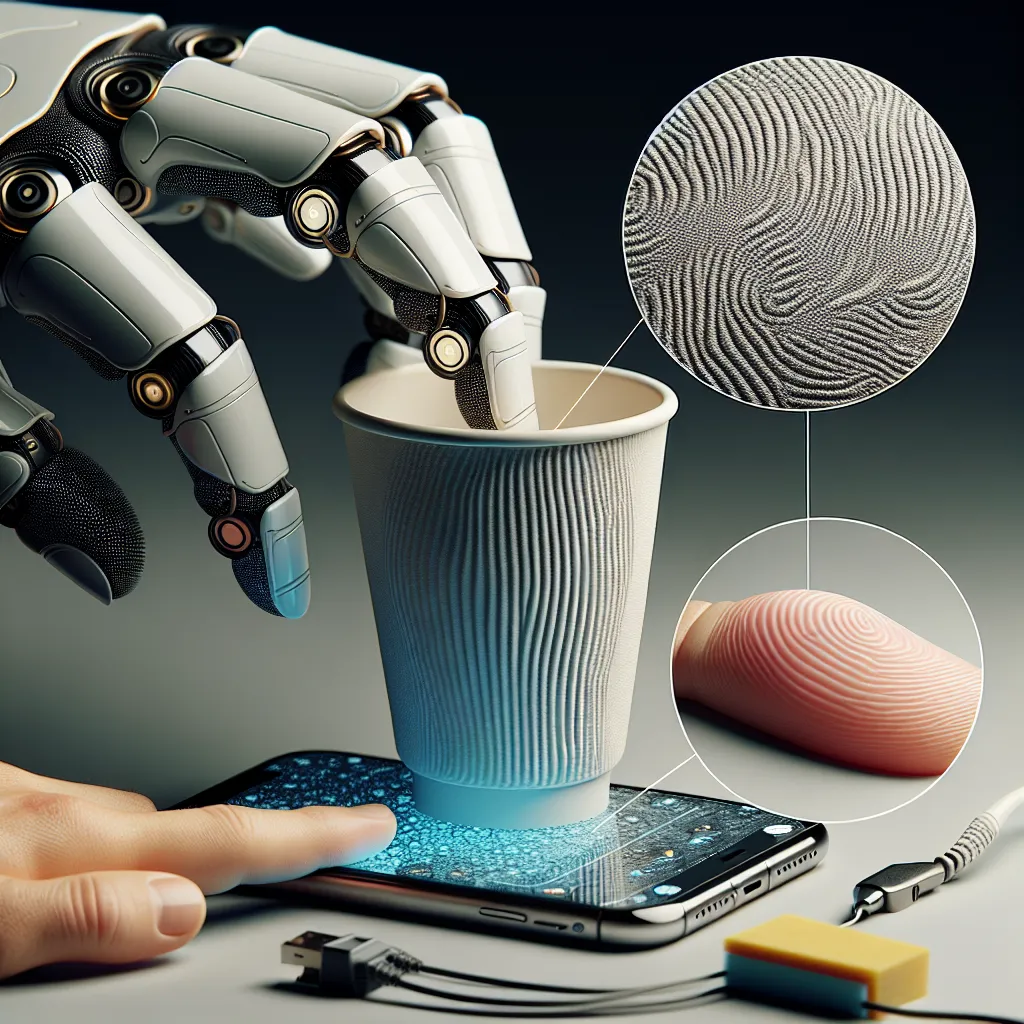
Description
No additional description provided.
The Pitch
The field of prosthetics has seen significant advancements in terms of mechanical capabilities. Modern prosthetics offer impressive functionality, enabling users to perform complex tasks such as grasping delicate objects, typing, or even participating in sports. However, a persistent challenge remains: the lack of sensory feedback. For prosthetic users, this often translates into an array of difficulties, from not knowing how hard they're squeezing an object to being unable to differentiate between textures. This limitation diminishes the overall user experience and can lead to frustration or even accidental damage to objects.
#### The Problem
Despite advances in the mechanical aspects of prosthetic limbs, the inability to sense tactile feedback remains a critical limitation. Users often find it difficult to modulate the force they apply when interacting with objects, leading to inefficient use and potential breakage. This disconnect between movement and sensation limits the natural experience of using a prosthetic limb, ultimately affecting the autonomy and confidence of the user.
#### Solution Overview
BioBridge aims to bridge the sensory gap by developing neuromorphic skin layers for prosthetics. These layers are designed to integrate seamlessly with existing prosthetic models to provide real-time sensory feedback. Our solution will translate tactile inputs such as pressure, texture, and motion into signals that are biologically compatible with the nervous system. This makes the interaction with the environment feel more natural and intuitive for the user.
#### Product Details
- **Modular Sensory Layers:** BioBridge will offer modular components that can be affixed to any existing prosthetic limb. These modules will be adaptable to different types and brands, fostering a wide range of application possibilities.
- **Neuromorphic Technology:** Utilizing cutting-edge neuromorphic engineering, these sensory layers will replicate the function of biological nerves, allowing users to sense pressure and texture variations without conscious effort.
- **User-Centric Interface:** The system will include a user-friendly interface, enabling customization and calibration according to the unique preferences and needs of each individual user.
#### Tools for Launching MVP
1. **Prototyping Platforms:** Utilize platforms like Arduino or Raspberry Pi to develop early-stage prototypes of the sensory layer modules.
2. **Software Development Kits (SDKs):** Deploy SDKs that assist in translating sensory data into nerve-compatible signals.
3. **3D Printing:** Use 3D printing technology to create custom-fit components that enhance compatibility with various prosthetic shapes and sizes.
4. **Collaboration with Prosthetics Manufacturers:** Partner with established prosthetics manufacturers to integrate BioBridge's technology with minimal disruption to existing designs.
#### Go-To-Market (GTM) Strategy
- **Partnerships and Collaboration:** Establish partnerships with leading prosthetic manufacturers and rehabilitation centers to ensure seamless integration and market penetration.
- **Targeted Launch Events:** Participate in industry conferences and medical expos to showcase the technology, gather feedback, and attract potential investors.
- **Educational Campaigns:** Develop targeted educational materials for both users and clinicians, highlighting the benefits and usage of BioBridge technology.
- **Pilot Programs:** Launch pilot programs in collaboration with rehabilitation centers to capture real-world feedback and refine the product before a full market launch.
#### Business Model
- **Direct Sales to Prosthetic Manufacturers:** Sell modular sensory layers directly to manufacturers for integration into their products.
- **Subscription Model for Updates and Maintenance:** Offer subscription plans for software updates and maintenance services to ensure continuous improvement and user satisfaction.
- **Licensing Agreements:** Establish licensing agreements that allow for broader use of BioBridge technology across different sectors, such as robotics or virtual reality.
#### Conclusion
BioBridge is poised to revolutionize the prosthetics industry by addressing a critical gap in sensory feedback. By merging state-of-the-art neuromorphic technology with existing prosthetic designs, this initiative promises to enhance user autonomy and satisfaction significantly. With the right partnerships and strategic execution, BioBridge can set a new standard for tactile feedback in prosthetic technology, offering users a near-natural sensory experience.