Neuromorphic Edge Chips for Everyday Predictions
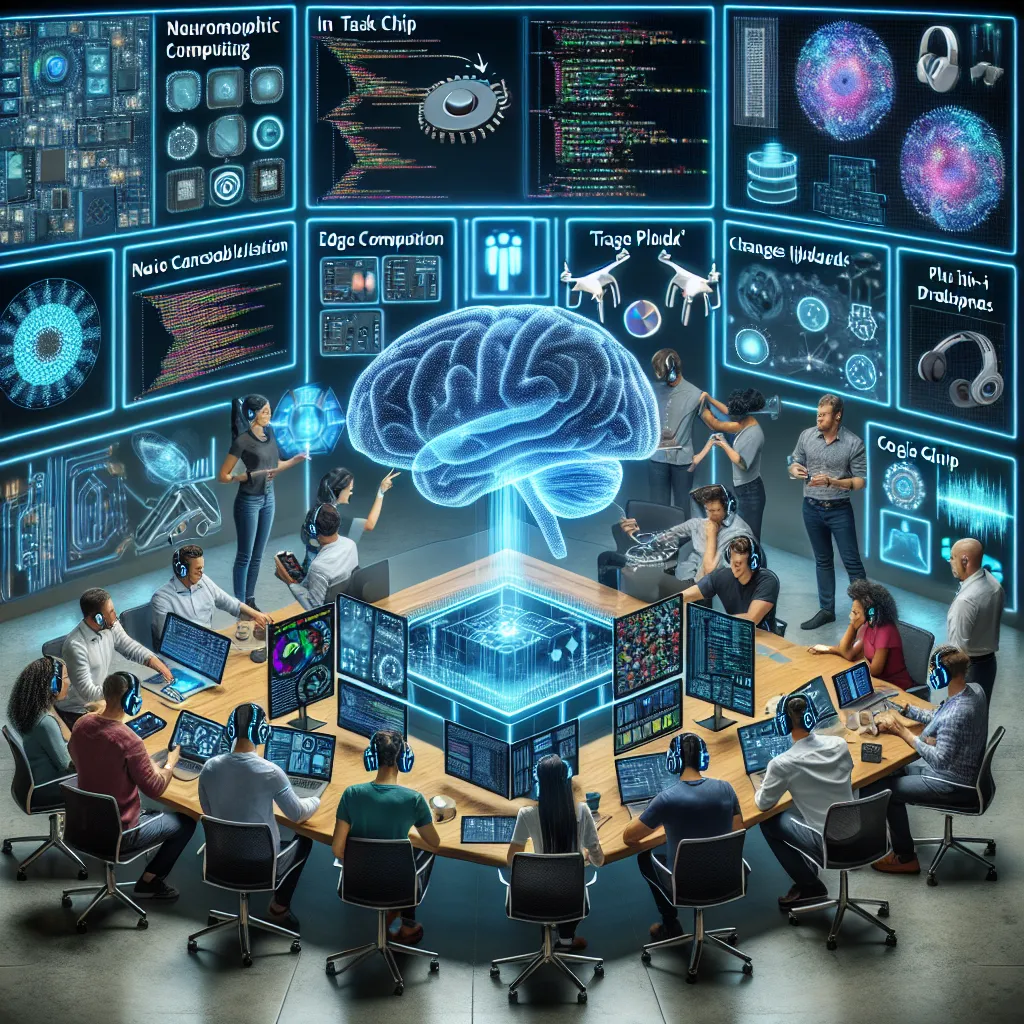
Cloud AI is powerful but expensive, slow, and overkill for the micro-predictions everyday devices need. Neuromorphic chips—brain-inspired hardware—can run tiny, always-on models at almost no energy cost, but no one has packaged this for developers. This startup offers plug-in “task chips” for things like gesture recognition, emotion sensing, and ambient prediction on edge devices. With neuromorphic computing quietly reaching commercial viability, someone will productize it. Think headphones that detect cognitive load and shift noise cancellation or playlists to support your focus.
Description
No additional description provided.
The Pitch
In recent years, the demand for smarter, more intuitive devices has surged. Yet, cloud AI solutions often fall short in delivering efficient, cost-effective, and real-time responses for everyday micro-predictions on edge devices. High computational requirements, latency issues, and energy consumption present significant hurdles, especially for applications that need instantaneous, always-on processing.
Neuromorphic computing, inspired by the architecture of the human brain, offers a promising alternative. It enables the execution of compact, low-power AI models directly on devices, minimizing reliance on cloud infrastructure. Despite the potential, there’s a gap in the market: no comprehensive solution exists for developers to easily harness neuromorphic technology for specific, everyday tasks.
Enter the innovative solution: plug-in task chips. Designed to integrate seamlessly with standard edge devices, these chips specialize in conducting particular tasks such as gesture recognition, emotion sensing, or ambient prediction. By embedding these task-specific neuromorphic processors directly in everyday gadgets, it becomes possible to offer real-time data processing with minimal power usage.
The concept hinges on packaging neuromorphic computing into accessible modules or chips, each tuned for a specific type of sensory or predictive task. Imagine headphones capable of detecting cognitive load and automatically adjusting noise cancellation or playlist selection to enhance user concentration. Similarly, smart home devices could utilize these chips for dynamic environmental adjustments based on occupant activity and mood.
For those interested in bringing this vision to life, building a robust MVP involves several components. Key tools include: - Neuromorphic hardware and development kits from leading tech manufacturers. - Machine learning frameworks for creating and testing compact AI models, tailored for neuromorphic architecture. - Development platforms for integrating chips into consumer electronics with minimal latency and energy consumption.
An effective go-to-market strategy (GTM) would prioritize: 1. Partnering with consumer electronics manufacturers, highlighting the benefits of enhanced device functionality and energy efficiency. 2. Demonstrating through pilot projects how these task chips can be implemented in everyday products to improve user experience. 3. Targeting industries where real-time data processing and minimal energy draw are crucial, such as wearables and smart home tech.
The business model could revolve around selling these task chips directly to manufacturers, offering licensing agreements, or creating partnerships for custom chip development. Additionally, establishing a marketplace for developers to access and share neuromorphic model designs could create a community-driven ecosystem, fostering innovation and expanding the technology’s reach.
In summary, the shift towards on-device intelligent processing presents an exciting opportunity to redefine the capabilities of everyday technology. By offering specialized, energy-efficient neuromorphic task chips, this endeavor has the potential to revolutionize how devices interact with and respond to the world around them.