Neuroadaptive IDEs for Developer Well-being
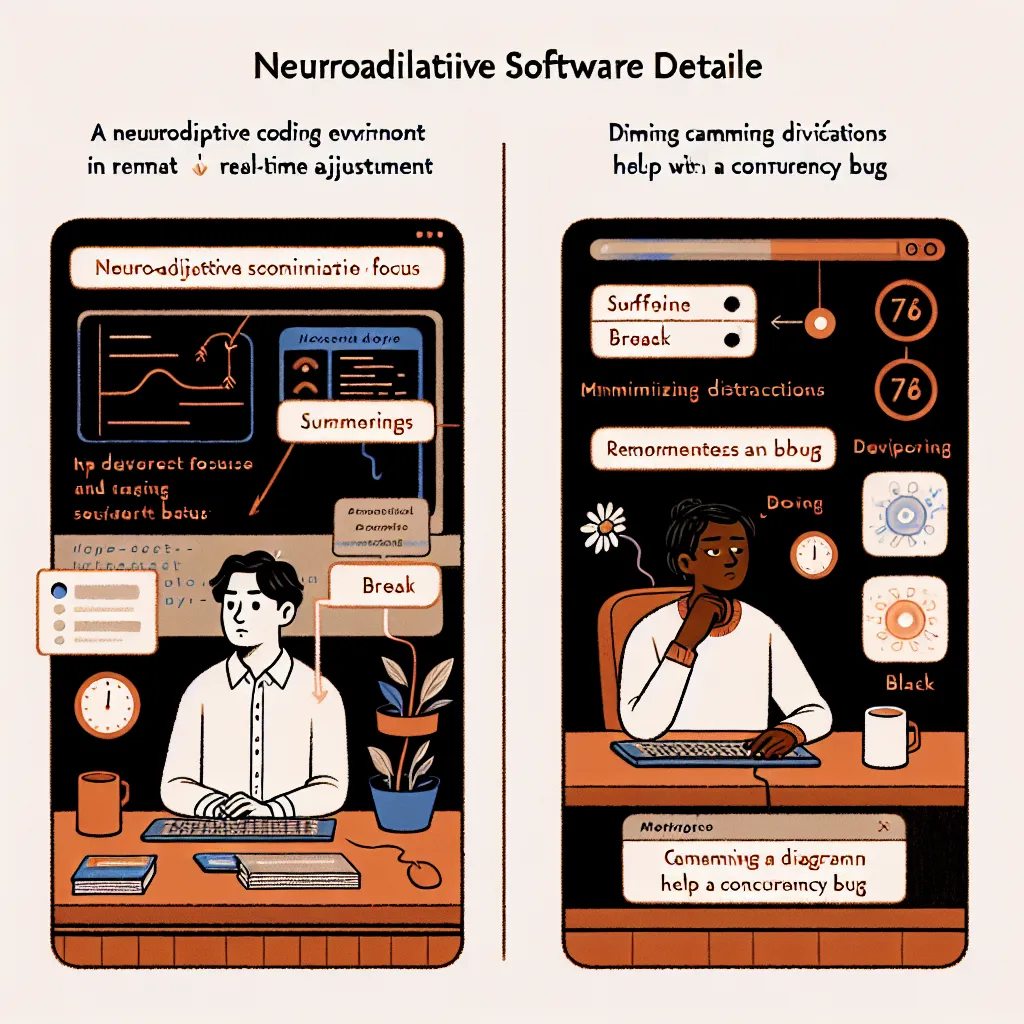
Developers are burning out and AI isn’t helping as much as we think. The 2025 Stack Overflow Survey revealed that while 84% of developers now use AI tools, 45% don’t trust the output and often waste time debugging it. Combine that with the fact that most developers report feeling disengaged or unhappy at work, and we’re staring at a massive opportunity: what if we optimized the developer, not just the code? Enter neuroadaptive coding environments—IDEs that read your cognitive state through brain-computer interfaces (like Muse or Neurable) and adjust the experience in real time. If your brain shows signs of deep focus, the IDE minimizes distractions, dims notifications, and locks you into flow. If it detects frustration or fatigue, it surfaces calming visuals, explains confusing code, or recommends a break. For example, when a dev is stuck on a concurrency bug and stress levels spike, the IDE adapts—offering a simplified diagram and lowering visual noise. It’s not just smarter tooling—it’s human-centered coding.
Description
No additional description provided.
The Pitch
Developers across the globe are facing increasing levels of burnout, despite the widespread adoption of artificial intelligence tools designed to assist them. Recent data highlights a paradox: while the majority of developers leverage AI in their work, a significant portion expresses distrust in the outputs, leading to time-consuming debugging and rework. Combined with feelings of disengagement and dissatisfaction, this presents a compelling opportunity to shift our focus toward optimizing the developer experience itself.
The concept of neuroadaptive coding environments emerges as a promising solution. These are integrated development environments equipped with the ability to read a developer's cognitive state in real-time, using brain-computer interfaces such as Muse or Neurable. The goal is to create a more adaptive, responsive, and personalized working environment that caters to the developer's mental and emotional well-being.
Here’s the central idea: when a developer is in a state of deep focus, the environment reduces potential interruptions by dimming notifications and minimizing distractions, effectively locking the individual into a state of flow. Conversely, when signs of frustration or fatigue are detected, the environment might respond by surfacing calming visuals, offering explanations for complex code, or suggesting short breaks to prevent frustration-fueled burnout.
Consider a scenario where a developer is wrestling with a challenging concurrency bug. As stress levels climb, the neuroadaptive environment intuitively responds by providing a simplified diagram of the issue, offering a visual aid to lower cognitive load and reduce stress. This human-centered approach goes beyond traditional tools, aiming not only at better code but also at fostering a healthier, more sustainable developer experience.
**Building the Product**
For those considering developing a Minimum Viable Product, a combination of cutting-edge tools and strategies is crucial:
1. **Technology Stack**: - Brain-computer interface devices like Muse or Neurable for real-time cognitive state monitoring. - Machine learning algorithms to interpret brain data and adjust the coding environment dynamically. - A flexible IDE capable of real-time environment customization, potentially building on existing platforms like Visual Studio Code or JetBrains products.
2. **Software Development**: - Initial focus on creating algorithms that accurately assess cognitive states. - Development of adaptive UI components that can modify visual interfaces based on real-time data. - Integration with popular development environments to ensure seamless user experiences.
3. **Validation and Testing**: - Conduct pilot tests with a variety of developers to gather real-world insights. - Iterate based on feedback to refine adaptability and user satisfaction.
**Go-to-Market Strategy**
- **Early Adopters**: Target progressive tech companies and innovative freelance developers who are open to experimenting with new technologies. - **Community Building**: Develop a community around the product, focusing on productivity and wellness, offering exclusive insights and updates to build engagement. - **Partnerships**: Collaborate with brain-computer interface companies to improve integration and reliability. - **Education and Resources**: Provide workshops, tutorials, and demonstrations to educate potential users on the benefits and functionality of neuroadaptive environments.
**Business Model**
- **Subscription Service**: Offer monthly or annual subscriptions to access premium features and ongoing updates. - **Freemium Approach**: Provide basic features for free, with advanced cognitive-adaptive features locked behind a paywall. - **Enterprise Licenses**: Provide tailored solutions to larger tech corporations seeking to enhance developer satisfaction and productivity.
The potential for neuroadaptive coding environments lies in transforming how developers interact with their workspace, prioritizing their well-being and creativity. This approach not only aims to improve productivity but also seeks to foster a healthier, more engaging working life for developers worldwide.