NeighborSync: Smarter, Shared Food Delivery Solution
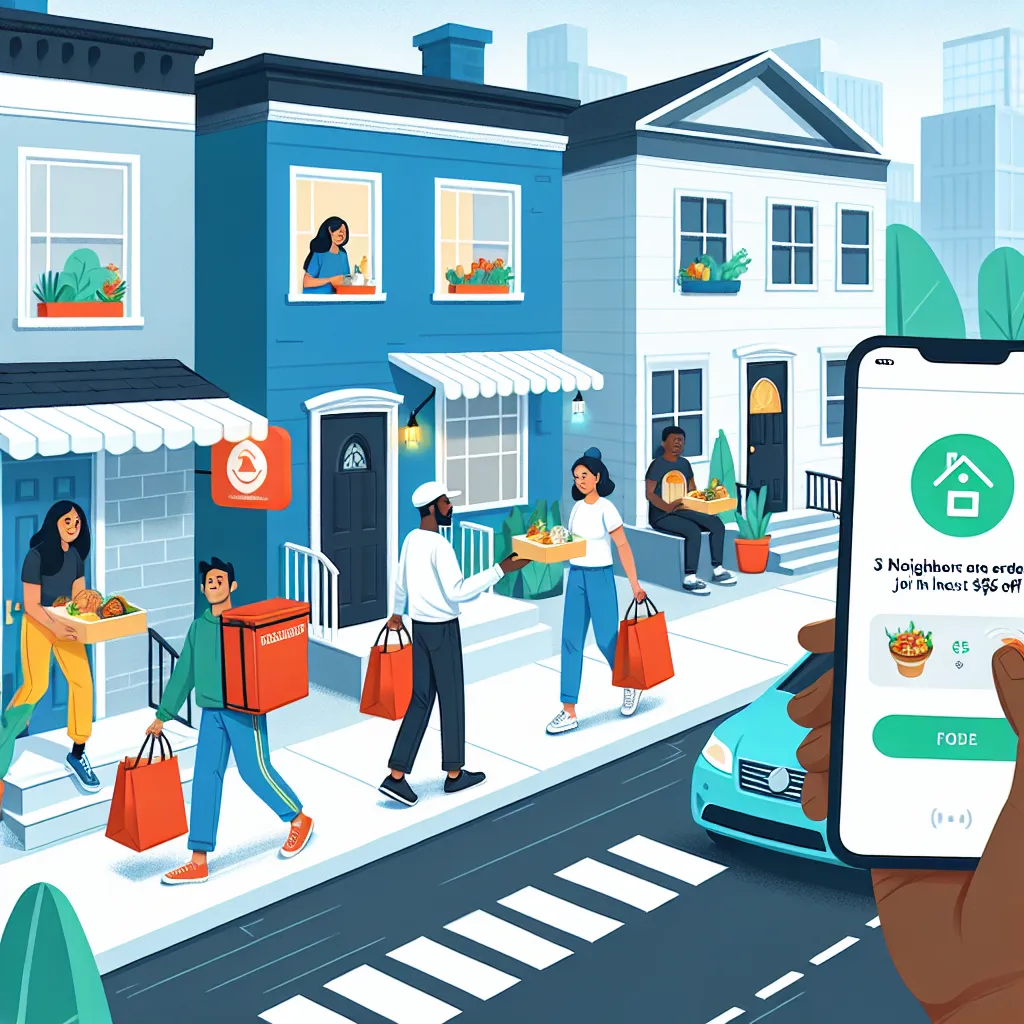
Delivery fees are rising, and environmentally it’s inefficient to have multiple drivers bringing food from the same restaurant to the same street minutes apart. Yet current takeout apps don’t encourage smart batching. NeighborSync is a dynamic, opt-in feature that lets buildings or local blocks pool orders in real time. If multiple households place orders from the same spot within a short time window, the system groups deliveries to reduce cost and footprint — and offers shared perks like free delivery or a bonus item. In dense urban areas and apartment complexes, this could drastically cut fees and traffic. It taps into the growing trend of hyperlocal logistics and communal apps like Nextdoor. For example, you’re about to order Thai when you get a notification: “3 neighbors are ordering now — join in the next 6 minutes for $5 off.”
Description
No additional description provided.
The Pitch
In recent years, the convenience of food delivery apps has become a staple in urban living. However, as their popularity has surged, so have the costs and environmental impacts associated with them. Increasing delivery fees and the inefficiency of having multiple drivers deliver to the same area in quick succession pose significant challenges. Despite the potential for optimization, current platforms lack mechanisms to encourage more efficient delivery practices. This sets the stage for an innovative solution: NeighborSync.
The concept behind NeighborSync is simple yet powerful. It is designed as a dynamic, opt-in feature that enables residents of the same building or neighborhood to pool their food delivery orders in real-time. The primary goal is to streamline delivery processes by batching orders that originate from the same restaurant and are destined for the same vicinity within a tight timeframe. This approach can significantly reduce both delivery costs and the carbon footprint associated with frequent, individualized trips.
When multiple households in an area place orders from the same restaurant within a brief period, NeighborSync's system automatically recognizes these orders and consolidates them. The benefits for users are substantial: reduced delivery costs, free delivery perks, or even bonus items as incentives for participation. This system is particularly beneficial in dense urban areas and apartment complexes where such collaborative logistics can considerably lower delivery fees and traffic congestion.
NeighborSync capitalizes on the emerging trend of hyperlocal logistics and the communal aspect of apps like Nextdoor. For instance, a user ready to order Thai cuisine might receive a notification alerting them that three neighbors have just ordered from the same restaurant. By joining the order within the next few minutes, the user can benefit from a discount, further motivating collective participation.
To bring NeighborSync to life as an MVP, a broad array of tools and strategies can be employed. Developing a responsive app interface with user-friendly notifications is crucial. Backend algorithms will need to be sophisticated enough to identify and batch suitable orders in real-time. Collaboration with local restaurants and delivery services will be key to ensuring seamless integration and buy-in from essential stakeholders.
The go-to-market (GTM) strategy should leverage partnerships with existing food delivery apps, providing NeighborSync as an added feature. Focused marketing campaigns targeting urban centers and community-driven environments would be particularly effective. Encouraging endorsements from local influencers or community leaders can also help build trust and initial adoption.
From a business model perspective, NeighborSync can generate revenue through a small commission on orders processed through the service. Additionally, premium features or subscription models for frequent users can be considered to drive profitability.
In summary, NeighborSync presents a forward-thinking solution poised to address the dual challenges of rising delivery fees and environmental inefficiency. By fostering a community-centric approach to food delivery, this initiative not only enhances cost-effectiveness but also promotes a more sustainable urban lifestyle.