Neighborhood Micro-Stages: Connect Artists and Hosts
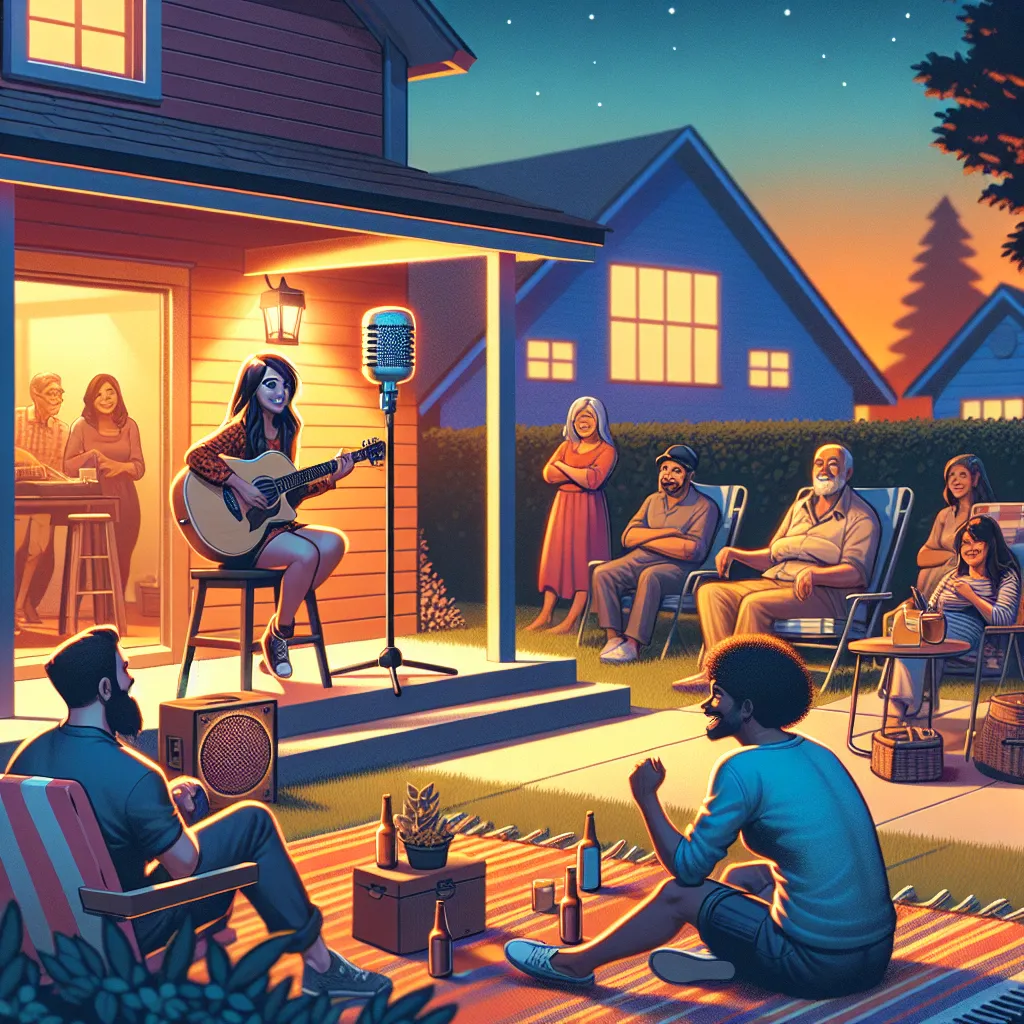
Local performers often struggle to find low-cost venues, and suburban neighborhoods lack spaces for spontaneous, community-based entertainment. Homeowners have underutilized porches, yards, or driveways that could double as micro-stages. The solution is a booking platform connecting artists with neighbors who want to host shows. It empowers communities to transform residential spaces into intimate performance venues, with homeowners earning a cut and residents enjoying hyperlocal events. As niche communities grow online, the real-world hunger for connection is rising. A backyard jazz night or driveway comedy set becomes a new social glue—low-stakes, high-vibe, and hyper-personal.
Description
No additional description provided.
The Pitch
Local performers often face challenges in finding affordable venues for their shows, while suburban neighborhoods frequently lack spaces that can host spontaneous, community-driven entertainment. On the other hand, many homeowners have underutilized areas such as porches, yards, or driveways that have the potential to serve as miniature stages. This situation presents an opportunity to create a platform that connects artists with neighbors interested in hosting performances. By doing so, communities can transform residential spaces into intimate venues where homeowners earn a share of the proceeds and residents enjoy hyperlocal events.
The concept capitalizes on the growing trend of niche online communities translating into a desire for real-world connection. Events like a backyard jazz night or a comedy set in a driveway offer low-stakes, high-energy, and highly personalized social gatherings that act as a new kind of social adhesive.
Product Details: The platform will facilitate connections between performers and homeowners through an easily navigable interface. Artists will be able to list their availability and performance type, while homeowners can offer their space for a prospective event. Key features include scheduling options, payment processing, and a ratings system for both hosts and performers. Additional services such as equipment rental and setup assistance could be included to enhance the user experience.
Tools for MVP Launch: To launch this as a minimum viable product, several tools can aid in a swift and efficient development process: - Website builders like Webflow or Wix for a basic front-end - Scheduling and booking tools such as Calendly or Setmore - Payment processing through Stripe or PayPal - Community engagement and communication via Slack or Discord - User feedback collection via Typeform or Google Forms
Go-To-Market Strategy: The initial focus should be on suburban areas that have a lively arts community yet limited access to traditional venues. Partnering with local music schools, comedy clubs, and arts organizations could provide a steady stream of initial users. A marketing campaign that emphasizes community building and unique local experiences can boost visibility. Hosting a launch event featuring multiple performers in a well-known neighborhood could act as a catalyst for initial adoption and word-of-mouth promotion.
Business Model: The platform can adopt a commission-based model where a percentage of each booking fee is charged. Homeowners can also be offered tiered membership plans that provide different levels of visibility or access to premium features, such as priority booking. Partnerships with local businesses for sponsorship or advertising can bring in additional revenue streams, enhancing the community-centric ethos of the platform.
In summary, the idea leverages existing underused spaces and community desires for connectivity to create a novel platform that benefits performers, homeowners, and local residents alike. With the right tools and strategy, this concept can quickly evolve from a minimum viable product into a valued community resource.