Neighborhood Micro Food Festivals Made Easy
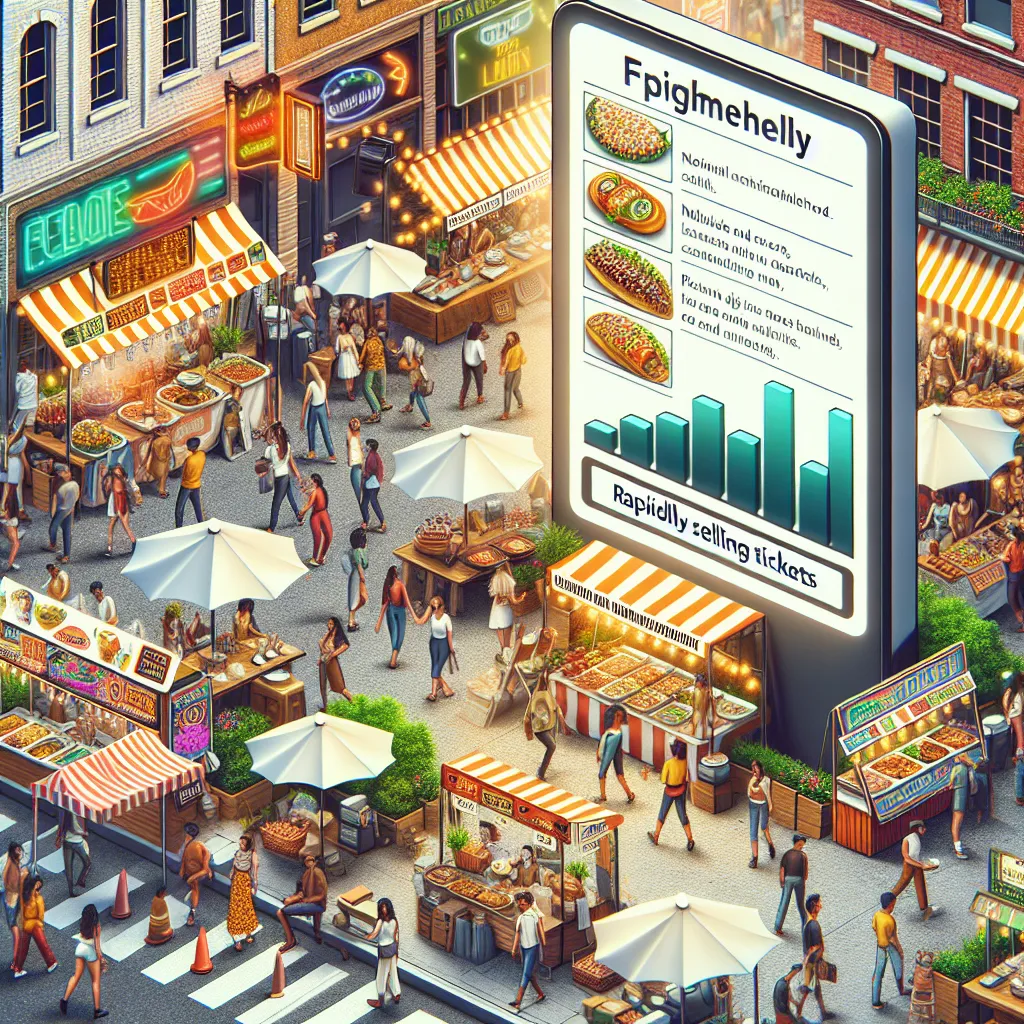
Cities love food festivals, but they’re expensive and rare. This platform helps neighborhoods spin up micro food festivals quickly with vendor coordination, permits, and promotion. Trend: experiential local events are thriving. Example: a block in Austin hosts a “Taco & Salsa Fest” with 12 vendors. Tickets sell out in 3 days.
Description
No additional description provided.
The Pitch
Creating a dynamic solution for hosting neighborhood micro food festivals could be an exciting venture for entrepreneurs interested in experiential events and community building. Here's a detailed overview for someone considering this opportunity, from concept to execution.
Background
Food festivals have long been cherished events, offering communities a chance to explore diverse culinary delights and foster local commerce. However, organizing such events typically requires significant resources and time, resulting in high costs and infrequent occurrences. Many neighborhoods miss out on these experiences due to logistical and financial hurdles. Concurrently, there is a rising trend for localized, experiential events that bring communities together in unique and engaging ways. This presents a chance to address these challenges with an innovative platform designed to simplify the process and facilitate frequent neighborhood micro food festivals.
Identified Problem
Organizing food festivals involves intricate logistics, including coordinating vendors, securing permits, and effectively promoting the event. These elements require time, expertise, and financial investment, which can be prohibitive for neighborhoods looking to host smaller, more frequent festivals. The existing processes and systems tend to favor larger, less frequent festivals, leaving a gap for those looking to create smaller, community-focused events.
Proposed Solution
Develop a platform that streamlines the organization of neighborhood micro food festivals. The platform will act as a comprehensive tool that simplifies vendor coordination, streamlines the permit acquisition process, and provides effective promotional support. By offering an accessible and straightforward solution, neighborhoods can regularly host these events, bringing vibrancy and economic activity to their communities.
Product Details
The proposed platform will have several key features:
1. Vendor Coordination: A user-friendly interface that connects local food vendors with festival organizers. The platform would provide a marketplace for vendors to list availability, cuisines, and pricing, enabling organizers to easily browse and select participants based on their festival theme.
2. Permitting Assistance: A step-by-step guide and tool to simplify the process of acquiring necessary permits from local authorities. The platform could also offer templates and submission tracking to ensure all regulatory requirements are met efficiently.
3. Promotional Tools: Built-in marketing and promotional resources to attract attendees. This could include customizable digital flyers, social media integration, and partnerships with local influencers to maximize outreach.
4. Event Management Dashboard: A central hub for organizers to manage all aspects of the festival, from ticketing and vendor communications to real-time analytics during the event.
Tools for Launching an MVP
To bring this idea to life, using efficient and cost-effective tools is crucial for a Minimum Viable Product (MVP). Consider using:
- Webflow or Wix for developing the initial website and platform design, offering flexibility and ease of use. - Zapier for automating tasks between different online services, simplifying vendor communication and permit applications. - Mailchimp or similar platforms for managing event promotion and attendee communication through email campaigns. - Stripe for handling transactions and ticket sales, providing a secure and seamless payment process.
Go-To-Market Strategy (GTM)
1. Early Partnerships: Establish relationships with local food vendors, neighborhood leaders, and city councils to create a supportive network.
2. Pilot Launch: Start with a pilot festival in a mid-sized neighborhood to test the platform's functionality and gather feedback. Use testimonials and case studies from the pilot to showcase success stories.
3. Community Engagement: Leverage local social media groups and forums to build a sense of community around the platform. Engage directly with potential users for feedback and suggestions.
4. Influencer Collaborations: Partner with bloggers and social media influencers in the food and events space to increase visibility and credibility.
5. Incremental Expansion: Gradually expand to other neighborhoods and cities, using insights from earlier events to enhance the platform's offerings and improve the user experience.
Business Model
1. Subscription Model: Charge neighborhoods or organizers a monthly or annual subscription fee for accessing the platform and its suite of services.
2. Commission on Sales: Take a small commission from vendors' sales made through the platform, incentivizing both the platform’s growth and vendor success.
3. Premium Services: Offer premium features such as advanced analytics, enhanced promotional tools, and dedicated support for an additional fee.
By offering a tailored solution that addresses the challenges of organizing micro food festivals, this platform can empower neighborhoods to create vibrant, community-centric events quickly and easily.