Neighborhood Co-ops Cut Delivery Costs Locally
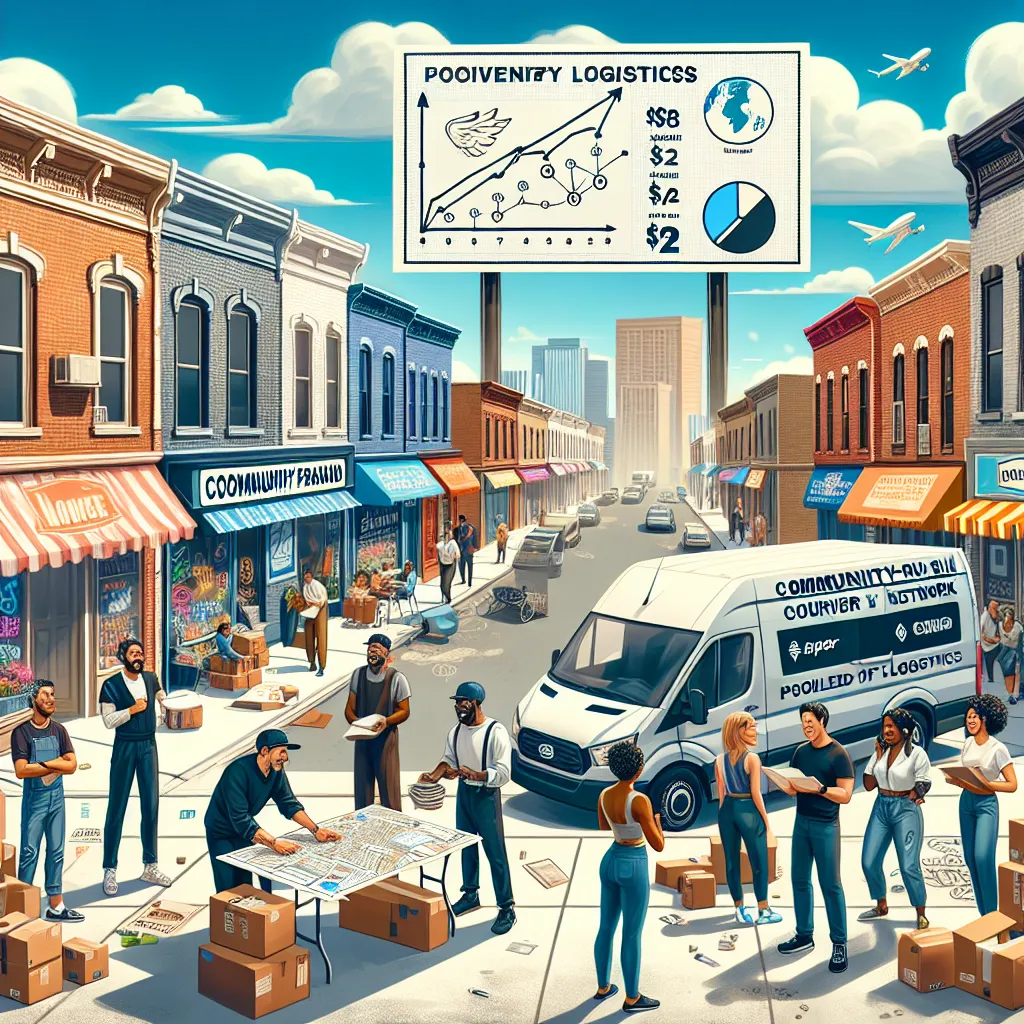
Local stores struggle with delivery costs, while residents want cheap convenience. This idea builds neighborhood-run co-ops with shared couriers and pooled logistics. Trend: community-based logistics is gaining traction. Example: five Brooklyn bodegas hire one courier network. Delivery fees drop from $8 to $2, and loyalty to local shops surges.
Description
No additional description provided.
The Pitch
Neighborhood retail stores have long been a cornerstone of community life, offering personalized service and convenience. However, as online shopping and big-box retailers continue to dominate the market, these stores face increasing challenges, particularly in balancing delivery costs with the demand for convenience. Individuals in the community value both supporting local enterprises and obtaining goods quickly and cheaply, presenting an opportunity for innovation in logistics.
The current problem is twofold: local stores are grappling with high delivery expenses that eat into their margins, and residents are on the lookout for economical and convenient delivery solutions. A potential answer lies in creating a cooperative delivery network that harnesses neighborhood resources. This approach allows for shared couriers and pooled logistics, reducing costs and enhancing service.
One viable solution could be the establishment of neighborhood-run cooperatives focused on delivery. By joining forces, local stores can pool their delivery needs into a single network. This setup brings down the costs substantially by reducing the reliance on traditional, more expensive delivery services. A model already seen in action in Brooklyn, where a collective of five bodegas hired one shared courier network, illustrates this idea well. As a result, they managed to cut delivery fees from 8 to 2, leading to an increase in loyalty toward these local businesses.
To implement this solution, consider developing a platform or app that manages and coordinates orders, courier routes, and delivery schedules. Essential features would include an intuitive interface for stores to enter delivery requests, a system for managing pooled logistics, and real-time tracking for couriers. For an MVP (Minimum Viable Product), one can utilize tools like SaaS solutions for order management, a simple mobile app for courier tracking, and a cloud-based system for data and route optimization. Platforms such as Firebase for backend development, Flutter for cross-platform mobile app creation, and Google Maps API for route planning and tracking could be instrumental.
In terms of a Go-to-Market (GTM) strategy, begin with a pilot program in a single community to refine the model. Utilize local marketing efforts, collaborations with community groups, and incentives to attract initial participants, both stores and individual couriers. Demonstrating quick wins and cost savings will be key to scaling the model to additional neighborhoods.
The business model can be built on a subscription basis for stores wanting to join the cooperative, along with a small fee per delivered order. This approach ensures a steady revenue stream while keeping costs low enough to remain attractive. Additional revenue opportunities might arise from partnerships with local businesses for advertising on the platform or through premium service offerings.
By addressing the dual needs of cost-effective delivery and community support, this initiative not only provides a practical solution but also strengthens the ties within neighborhoods by fostering a sense of shared purpose and collaboration. As trends lean towards community-based logistics, this model could pave the way for more resilient local economies.