Myth-Busting Newsletter: Fun Science Storytelling
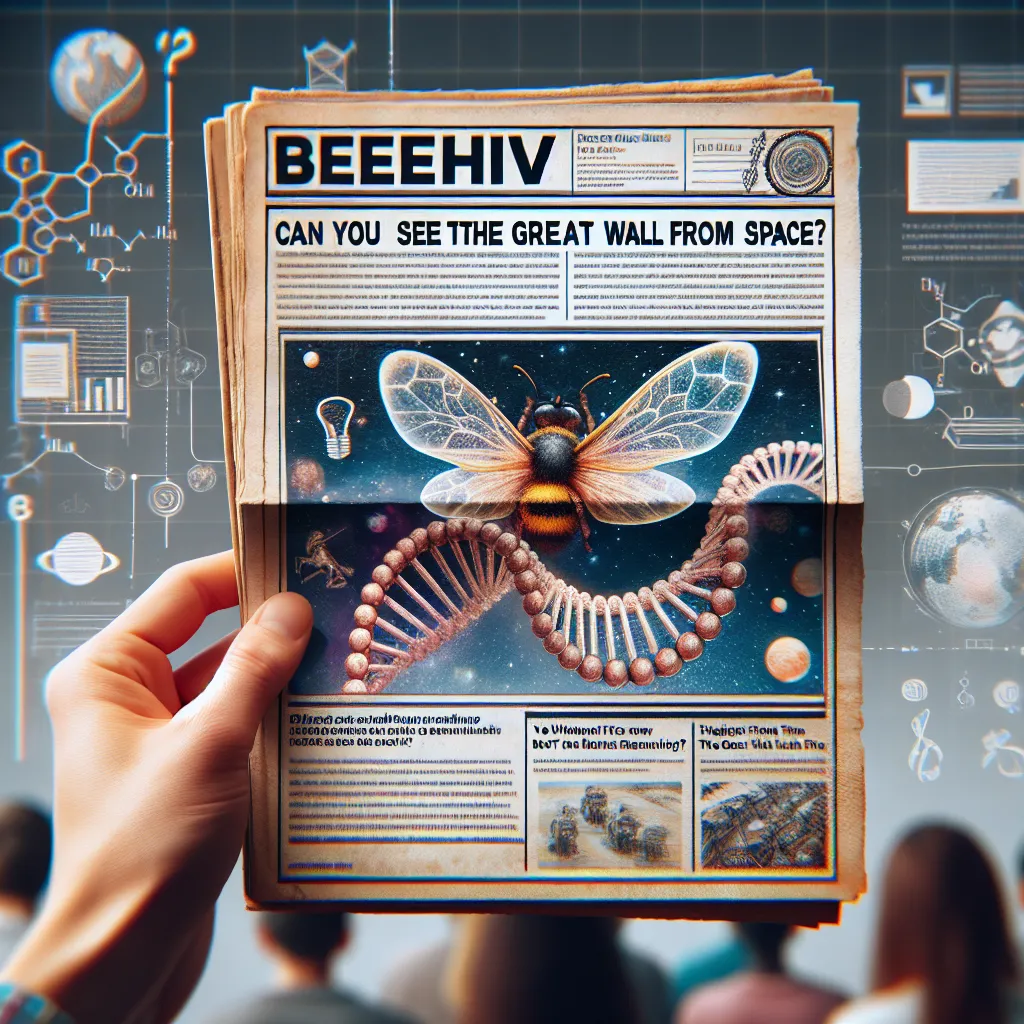
We live in the misinformation era. Social media spreads myths faster than facts. Yet curiosity around truth persists, shown by nostalgia for shows like MythBusters. This idea is a newsletter that debunks one myth per issue using storytelling and science. Hosted on Beehiiv, monetized via ads and sponsorships, and possibly packaged as a book or brand extension. There’s a massive thirst for knowledge presented in fun, short-form media. Channels like Veritasium, Vsauce, and SciShow prove there’s a market for science storytelling. For example, the newsletter headlines: “Can you see the Great Wall from space?” Readers get the myth, the facts, NASA photos, and a witty sign-off. Brands sponsor it for $2K per issue. Teachers forward it to students.
Description
No additional description provided.
The Pitch
In today's world, misinformation is rampant, with myths circulating faster than the truth, particularly on social media platforms. Yet, there is a strong and persistent curiosity among people seeking the truth. This is evident from the continued popularity of shows such as MythBusters.
The concept here is a fresh, engaging newsletter dedicated to debunking one myth per issue by weaving together compelling storytelling and solid scientific facts. The goal is to educate readers in a way that is not only informative but also entertaining.
The newsletter will be hosted on Beehiiv, an intuitive platform that simplifies managing and growing newsletters. It will be monetized through advertisements and sponsorships, and there may be potential to expand the brand into a book or related products.
The thirst for knowledge when it comes to science and truth is enormous, as evidenced by the success of popular science-focused YouTube channels like Veritasium, Vsauce, and SciShow. Audiences are clearly hungry for content that delivers knowledge in enjoyable, digestible formats.
For example, consider a newsletter issue with the headline: Can you see the Great Wall from space? This issue would present the myth, provide factual information, perhaps include photos from NASA, and conclude with an amusing sign-off. Educational institutions could leverage the newsletter, and brands might sponsor an issue for $2,000, recognizing the value in engaging with a curious, dedicated readership.
**Getting Started with Minimum Viable Product**
1. **Platform**: Begin with Beehiiv for hosting and distributing the newsletter. It's user-friendly and designed for those focused on growth.
2. **Content Creation Tools**: Tools like Grammarly for editing, Canva for designing engaging visuals, and Quetext for ensuring content originality can help maintain high quality.
3. **Distribution and Engagement**: Utilize platforms like Substack or Medium to reach a broader audience initially. Encourage sharing by embedding social sharing buttons. Networking within science communication communities can also spread the word more organically.
4. **Feedback Loop**: Create a simple Google Form to solicit reader feedback and iterate based on their responses.
**Go-To-Market Strategy**
1. **Identify Target Audience**: Focus on curious individuals, including students, science enthusiasts, educators, and lifelong learners.
2. **Partnerships and Collaborations**: Collaborate with educational entities and science communicators. Jointly host webinars or events to build a community.
3. **SEO and Content Marketing**: Utilize keywords related to myths, scientific facts, and curiosity to improve search engine visibility. Write guest articles on popular blogs or websites.
4. **Social Media Engagement**: Develop a strong presence on platforms like Twitter, Instagram, and LinkedIn to capture a diverse audience. Share snippets from the newsletter to drive traffic back to the subscription page.
**Business Model**
The primary revenue streams include selling ad space within the newsletter and obtaining sponsorship from brands and educational organizations. The secondary revenue stream could involve offering exclusive paid content or creating spin-off products such as an anthology book compiling the most popular issues, or branching into podcasts or YouTube series.
This newsletter concept taps into the ongoing interest in science and truth-seeking, offering a valuable, engaging resource for its audience, with various opportunities for growth and monetization.