Mycelium Panels: Revolutionizing Sustainable Construction Industry
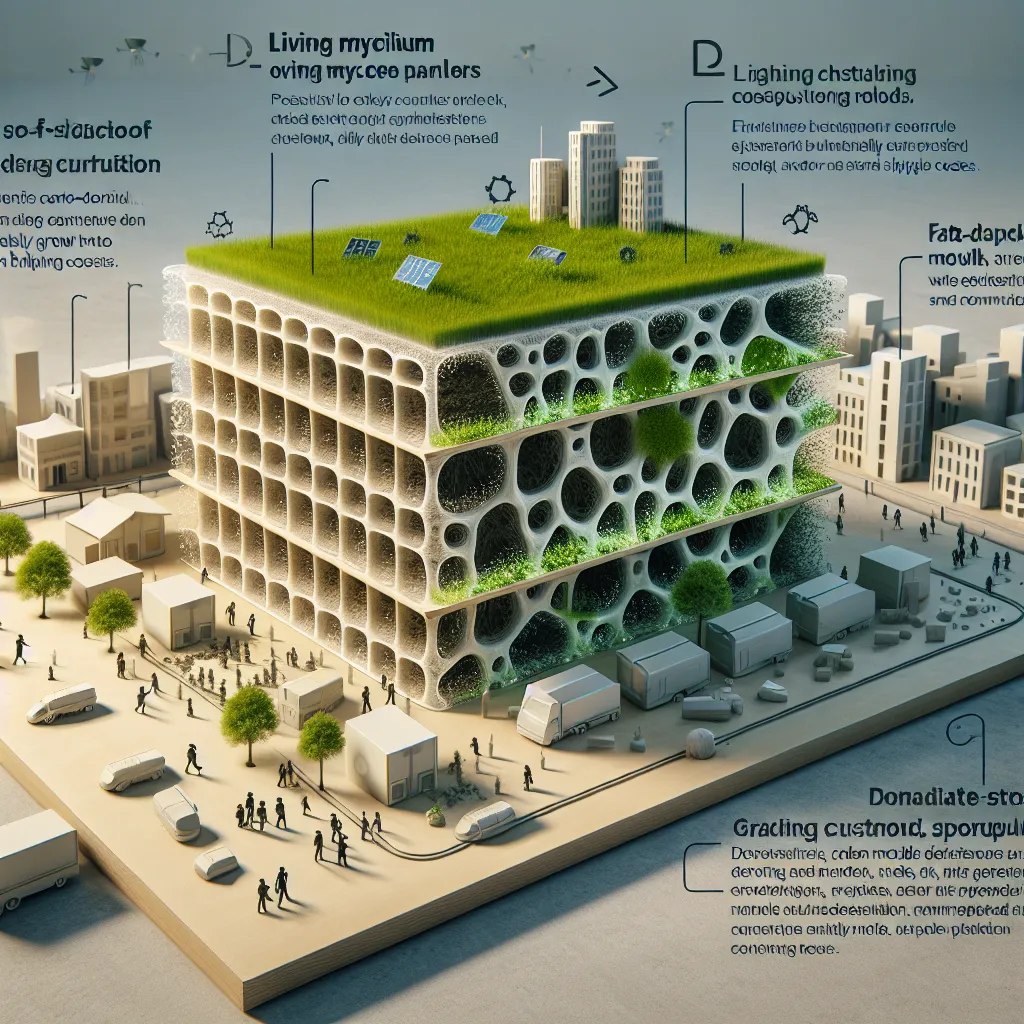
The construction industry is a massive contributor to carbon emissions due to materials like concrete and steel. The problem is sustainable alternatives are passive and still require heavy manufacturing. Imagine self-growing building panels made from living mycelium that expand into custom molds on-site and reinforce themselves naturally, reducing shipping and construction costs. After use, the panels biodegrade safely. Why now? Construction tech is under pressure to decarbonize, and mycelium-based structures have proven lightweight yet strong. Example: Disaster relief shelters are deployed with flat-packed molds, and panels grow into walls in days without heavy equipment. No living, site-grown, structural building material exists — it could revolutionize green architecture.
Description
No additional description provided.
The Pitch
In recent years, the need for more sustainable practices in the construction industry has reached a critical point. As one of the largest sectors contributing to global carbon emissions, the current reliance on materials like concrete and steel poses significant environmental challenges. The urgency to find and implement greener alternatives is intensifying, driven by both regulatory pressures and societal expectations for environmentally responsible building practices.
One innovative solution that addresses this problem is the application of mycelium, the root structure of fungi, in construction. Imagine self-growing building panels constructed from living mycelium, capable of expanding into custom molds directly on-site. These panels offer a naturally reinforcing structure, minimizing both shipping needs and traditional construction costs. Once the panels have served their purpose, they can safely biodegrade, returning to the earth without leaving harmful residues.
What makes this concept particularly timely is the increasing push within the construction tech industry to decarbonize. Mycelium-based structures have already demonstrated their potential, being both lightweight and strong, which makes them an ideal candidate for a variety of applications, such as disaster relief shelters. In such scenarios, flat-packed molds can be deployed, allowing the panels to grow into sturdy walls within days—eliminating the need for heavy machinery and extensive logistics.
The potential impact of site-grown, living structural materials cannot be overstated in its capacity to transform green architecture. There is currently no prevalent technology or material that offers similar benefits, positioning this solution as a potential game-changer in sustainable building practices.
To bring this vision to life, several tools and strategies can facilitate the launch of a minimum viable product (MVP). Prototyping software such as AutoCAD or Rhino can be instrumental in designing the initial models and molds. For the growth phase of the mycelium panels, partnering with biotech companies specializing in fungal materials can provide the necessary expertise and resources to refine the process.
For the go-to-market (GTM) strategy, starting with niche markets like eco-friendly home builders and organizations focused on disaster relief could offer valuable insights and feedback. These segments are likely to embrace innovative solutions that align with their sustainability goals. Building strong relationships with architects and construction firms interested in sustainable practices can also help create advocacy and legitimacy in the early stages.
From a business model perspective, a dual revenue stream approach could be beneficial. Initially, revenue could be generated through the sale of customizable molds and mycelium growth kits. As market acceptance grows, a service model focusing on consultation and custom installations could further solidify market presence.
In summary, the integration of mycelium-based construction materials holds tremendous promise for reducing carbon emissions in the building industry. By leveraging current technologies and strategic partnerships, this innovative approach could lead the way in revolutionizing sustainable architecture.