Multi-LLM Interface Tool
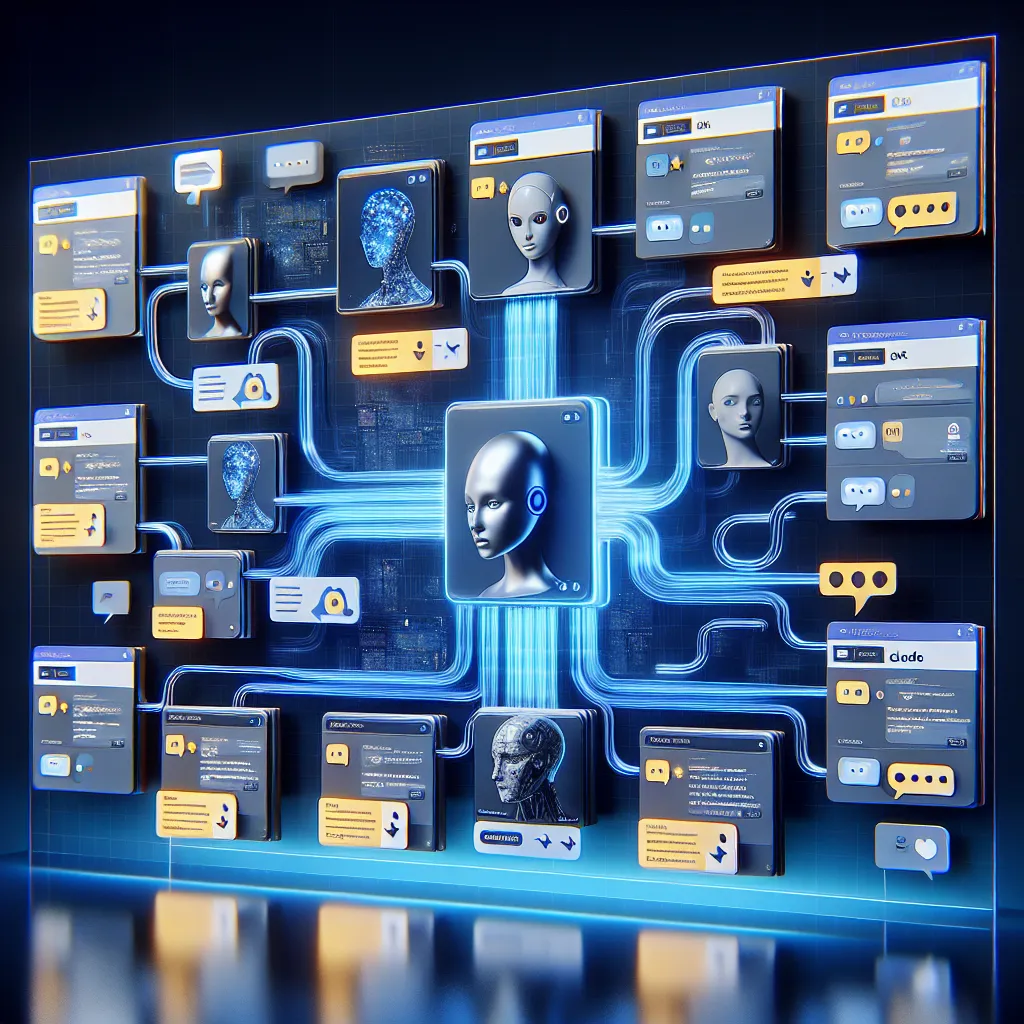
Most people use just one AI model, missing out on stronger results available through comparison and iteration. Currently, using multiple LLMs like ChatGPT, Claude, and Grok means juggling tabs and manually copying prompts—clunky and inefficient. The solution is a Multi-LLM Workspace: a single interface where users can switch between top models seamlessly, sync prompts across them, and view responses side-by-side. Core features include one-click model switching, prompt mirroring, and output threading to track iterations. A standout feature is “Jealousy Mode,” which auto-feeds one model the response of another to provoke improved results through competition. For example, Claude dramatically enhanced its cold email copy after being told ChatGPT’s version was better—this tool would automate that feedback loop. Ideal for marketers, founders, and creatives, it turns a messy multi-tab workflow into a focused, creative powerhouse.
Description
No additional description provided.
The Pitch
Exploring the potential to build an innovative tool for those navigating the realm of large language models (LLMs), this overview aims to capture the attention of tech enthusiasts and developers eager to streamline processes and enhance efficiency through an integrated solution.
**Background and Problem Statement** With the rise of AI and language models like ChatGPT, Claude, and Grok, individuals leveraging these tools often find themselves confined to using just one at a time. This reliance on a singular model can limit potential outcomes, as each LLM has unique strengths and capabilities. Currently, users face cumbersome workflows, juggling numerous tabs and manually inputting prompts to compare results. This approach isn't just tedious; it restricts the creative iteration process vital for roles that rely heavily on diverse and nuanced content.
**The Solution** Introducing the concept of a Multi-LLM Workspace—a centralized platform allowing users to seamlessly interact with multiple top LLMs. This workspace would offer the flexibility to switch between models effortlessly, synchronize prompts across different engines, and display responses side by side for direct comparison. It would fundamentally transform how users engage with AI, making processes more efficient and the resulting content more refined and impactful.
**Product Details** Key features of the Multi-LLM Workspace include: - **One-Click Model Switching:** Simplifying the transition between different LLMs without the need to open multiple browser windows. - **Prompt Mirroring:** Enable users to input a single prompt that propagates to all selected LLMs simultaneously, ensuring consistency in comparisons. - **Output Threading:** Allows for tracking and revisiting iterated responses, maintaining a clear record of evolution in AI suggestions. - **Jealousy Mode:** An innovative feature where one model automatically receives the response of another, spurring it to produce a potentially superior output. This competitive aspect can enhance creativity and efficacy in outputs notably.
**Tools for Launching an MVP** To develop a Minimum Viable Product: - Utilize frameworks such as React or Vue.js for a dynamic and responsive user interface. - Leverage APIs provided by platforms like OpenAI and others supporting LLMs to integrate multiple models. - Implement user authentication and a robust backend using services like Firebase or AWS. - Opt for no-code or low-code platforms initially to expedite development and focus on iterative improvements based on user feedback.
**Go-to-Market Strategy** The launch strategy should focus on: - Building partnerships with AI platforms to ensure seamless integration and promote mutual growth. - Engaging with communities of marketers, creatives, and tech aficionados through webinars, workshops, and beta testing programs to build awareness and obtain critical feedback. - Creating compelling content about the efficiency and enhanced creativity enabled through the platform, distributed via tech forums and social media channels.
**Business Model** The business model could involve: - A freemium approach to allow basic access with paid subscriptions for advanced features such as enhanced Jealousy Mode and extensive threading capacity. - Tiered pricing to cater to different user segments, from individual creatives to larger marketing teams. - Partnering with AI model providers for potential profit-sharing agreements on subscription models.
Ultimately, the Multi-LLM Workspace does more than streamline workflows; it empowers users to explore the true potential of AI technology, unlocking higher quality content through intelligent iteration and comparison.