Multi-Layered Social Platform for Diverse Identities
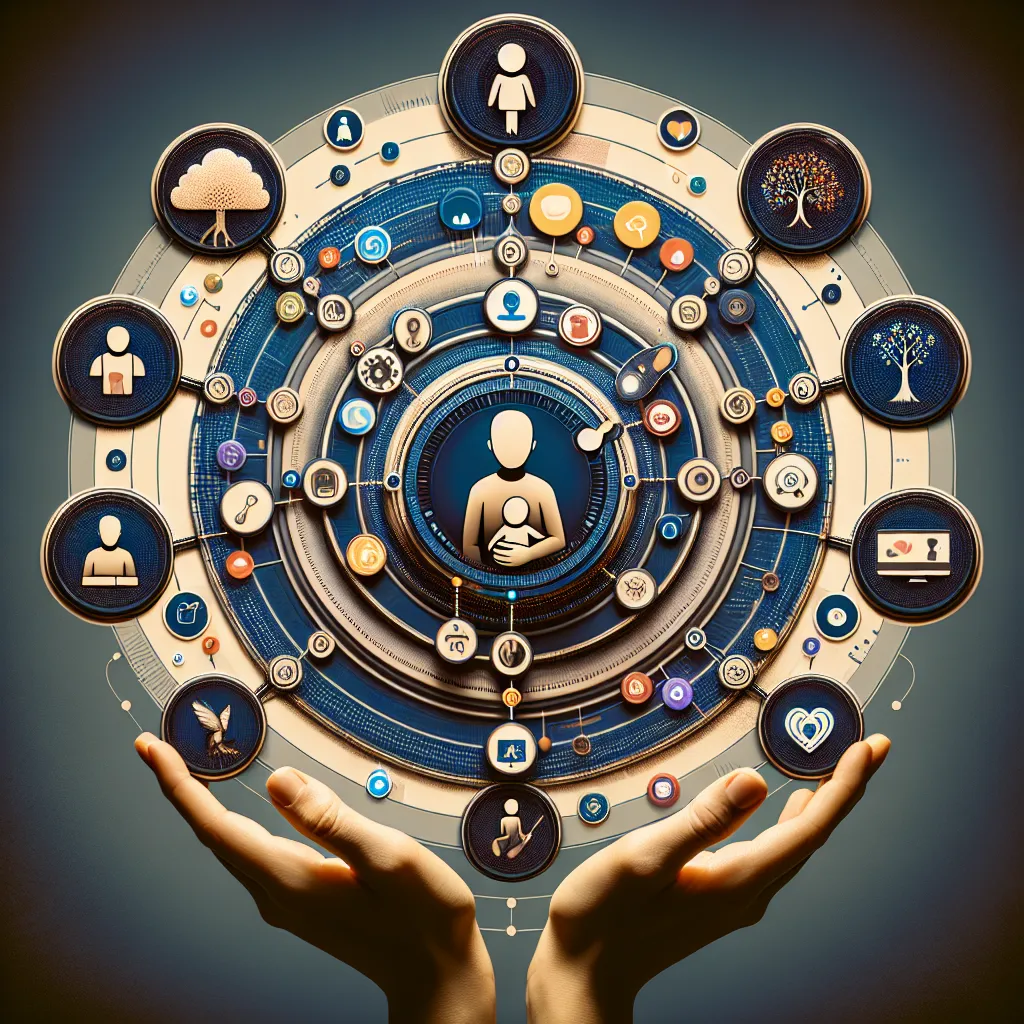
Online, people juggle multiple identities but platforms force one profile. You’re a parent, a professional, a hobbyist — but you either overshare or self-censor. In Korea, anonymous community apps like Blind let workers “switch hats” freely, while Japan’s LINE users often keep multiple identities across accounts. The U.S. has no elegant solution. The opportunity is a platform where you manage multiple identity layers inside one account — post to your “work layer,” “friends layer,” or “hobby layer,” with AI helping route content. Abroad, anonymity and multi-identity are normalized, but in the U.S., Facebook and Instagram’s one-size-fits-all model still dominates. The example is simple: just like you switch Slack channels for different contexts, your social profile could finally switch layers.
Description
No additional description provided.
The Pitch
In today's digital world, individuals often juggle multiple roles and identities across various social and professional platforms. The challenge lies in the fact that these platforms typically enforce a single-profile system, causing people to either overshare aspects of their lives or resort to self-censorship. For instance, you might be a parent, a professional, or a hobbyist, but expressing all these facets on a singular platform can be challenging.
In certain regions, such as Korea and Japan, individuals have found ways to navigate this issue. For example, Korea has anonymous community apps like Blind, which allow users to effortlessly switch identities. Similarly, users of Japan's LINE often maintain multiple identities across different accounts to manage their various roles more effectively. However, in the United States, there remains a lack of elegant solutions for maintaining multiple identity layers within a single platform. Currently, major platforms like Facebook and Instagram enforce a one-size-fits-all model that hinders identity flexibility.
This gap presents an opportunity to create a new platform where users can seamlessly manage different identity layers within a single account. Imagine a platform where you can post updates specifically to your work layer, friends layer, or hobby layer, with artificial intelligence assisting in directing content to the appropriate audience. Just as you would switch Slack channels to communicate with different teams or on different projects, your social profile could switch identity layers to suit the context.
For those interested in building this solution, understanding the problem landscape is crucial. People desire a platform that accommodates the complexity of their personal and professional lives without forcing them to choose between oversharing and self-censorship. The proposed solution is a platform designed to facilitate the management of multiple identities through distinct privacy layers, revolutionizing how individuals interact online.
To bring this idea to life as a Minimum Viable Product (MVP), several steps can be taken:
1. **Development Tools**: Utilize frameworks such as React for front-end development and Node.js for back-end to create a responsive and seamless user experience. Implement cloud services like AWS or Google Cloud for scalable hosting and data management.
2. **AI Integration**: Leverage AI technologies to develop algorithms that intelligently route content to the appropriate identity layer based on context and user preferences.
3. **User Testing**: Conduct beta testing with a diverse group of users from different demographics to gather feedback and iterate on the platform's usability and functionality.
4. **GTM Strategy**: Focus on targeting early adopters who are active on multiple social platforms and understand the pain point of managing multiple identities. Leverage partnerships with influencers and tech bloggers to create buzz and draw attention to the platform's launch.
5. **Business Model**: Consider a freemium model where basic features are free, but users can pay for premium features such as advanced privacy controls, enhanced AI routing, and additional customization options.
The platform has the potential to not only address a significant gap in the market but also transform how individuals engage with their online communities. By providing the freedom to manage and switch between different identities within a single account, the platform can empower users to express themselves more authentically without compromising privacy or individuality.