Mood-Responsive Lighting: Emotion-Adaptive Ambient Ecosystem
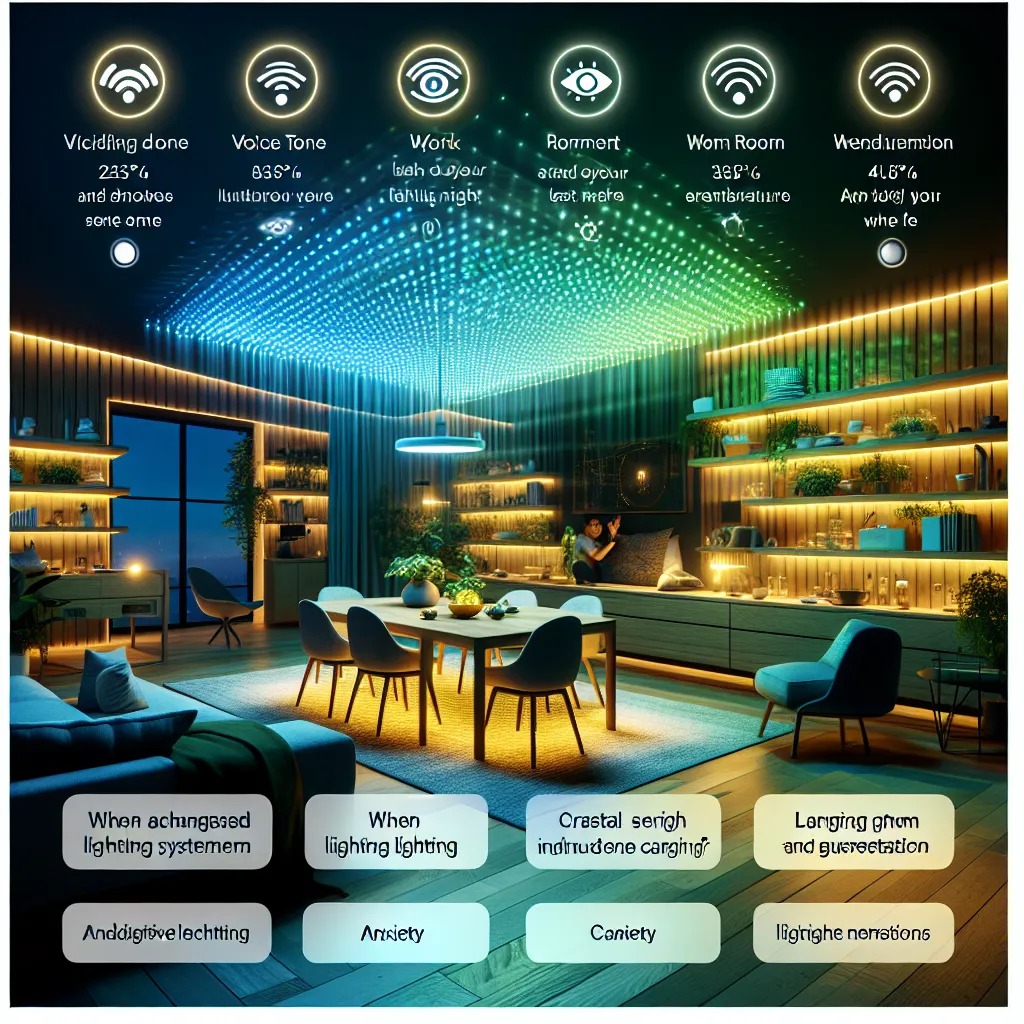
Smart lighting is becoming ambient and sensory (e.g., Govee’s new lighting tech) but current systems prioritize schedules or music sync, not mood. This idea introduces a mood-adaptive ambient lighting ecosystem: sensors around your room detect voice tone, movement, and room temperature, and AI adjusts color temperature and brightness to support your emotional state. Hosting a dinner? Warm golden glows settle in; working late? Crisp white support focus; feeling anxious? Slow green-blue hues calm you. Integrating with smart speakers and wristbands, it learns your preferences over time. For instance, when you sigh after a long day, it triggers a gentle ocean-blue fade to de-stress. It’s wellness lighting that senses with you—not just controlled by you.
Description
No additional description provided.
The Pitch
Introducing an innovative concept poised to transform the way we experience ambient lighting: a mood-adaptive lighting ecosystem designed to seamlessly blend into our daily lives. In today's fast-paced world, technology often dictates our environment rather than adapting to our evolving needs and moods. Existing smart lighting solutions primarily focus on rigid schedules or syncing with music, neglecting the crucial element of enhancing our emotional and mental well-being.
Consider a scenario where you're hosting a dinner party; instead of manually adjusting your lighting to fit the atmosphere, imagine a lighting system that intuitively bathes your room in warm golden hues to create a welcoming and cozy ambiance. On a late-night work spree, envision crisp white lights that automatically brighten your space to enhance concentration. Feeling overwhelmed or anxious? Imagine serene green-blue tones enveloping you, fostering a sense of calm.
This concept centers around an ambient lighting ecosystem empowered by advanced sensors strategically placed around your living space. These sensors are adept at detecting various environmental cues such as voice tone, physical movement, and room temperature. By leveraging artificial intelligence, the system translates these cues into specific lighting adjustments, customizing the color temperature and brightness to align with your emotional state.
The ecosystem is further enriched by its integration with smart speakers and wearable devices like wristbands, allowing it to learn and adapt to your unique preferences over time. For example, if the sensors detect a sigh of fatigue after a long day, the lighting subtly transitions to a soothing ocean-blue glow to help melt away stress.
To bring this idea to life, several steps can facilitate its development into a minimum viable product. Utilizing sensors capable of capturing environmental and biometric data is essential. These sensors, coupled with real-time data analytics powered by machine learning algorithms, form the core of the adaptive system. Smart lighting fixtures with adjustable LED colors would be the physical manifestation of this technology, seamlessly controlled via a central hub or smartphone app.
For the go-to-market strategy, an initial focus on tech-savvy early adopters and wellness enthusiasts could drive awareness and initial adoption. Collaboration with interior designers and wellness professionals can further validate and promote the system's unique benefits. A strategic partnership with manufacturers of smart speakers and wearable devices could enhance the ecosystem's integration and expand its reach.
As a business model, a subscription-based service could be explored, offering premium features such as personalized lighting profiles, advanced analytics of mood patterns, and integration with other smart home devices. Alternatively, a one-time purchase model with optional subscription services for enhanced personalization is another route.
In essence, this mood-adaptive lighting ecosystem transcends traditional lighting solutions by offering a personalized and holistic approach to mental and emotional well-being. With the right tools, strategic partnerships, and a focus on user-centered design, it has the potential to redefine how we interact with our environments, ultimately supporting a balanced and enriched lifestyle.