Monetizing Fast Payments: Transforming A2A Transactions
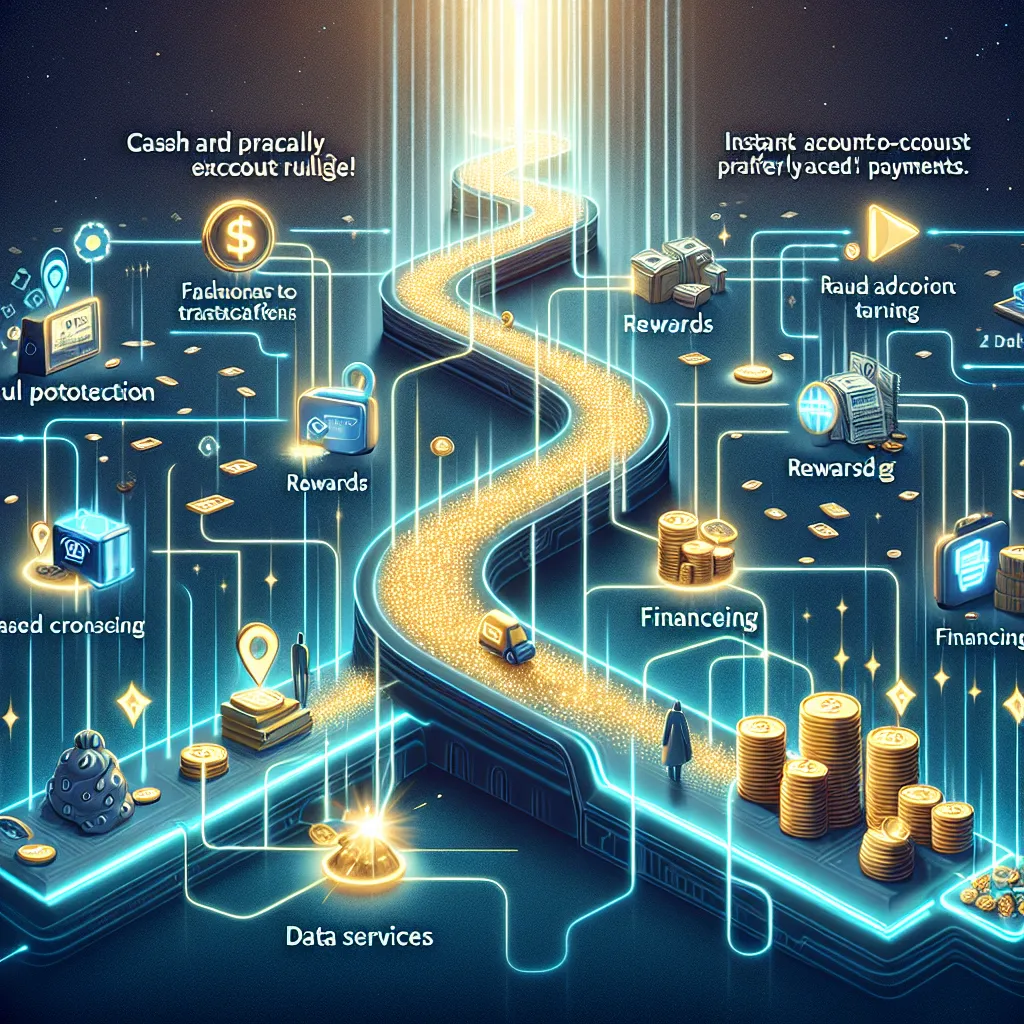
As cash fades and account-to-account (A2A) and instant payments dominate, monetization becomes the missing business model. Banks and fintechs are processing billions in instant payments but earning almost nothing. The opportunity: build a monetization layer for low-yield rails—a “Value-Added Rail” that layers fraud protection, rewards, financing, and data services directly on top of A2A. Merchants could pay a small fee for value-added capabilities like chargeback protection or real-time loyalty, turning a zero-margin transfer into a smart, monetized transaction. If money is moving faster and cheaper, the next battle is who can turn the plumbing into profit.
Description
No additional description provided.
The Pitch
In the evolving landscape of digital payments, traditional cash transactions are declining as account-to-account (A2A) and instant payments become more prevalent. Despite processing a massive volume of these transactions, banks and fintech companies often struggle to generate significant revenue from them. This presents a unique opportunity: the creation of a monetization layer, referred to as Value-Added Rail, that can be integrated with existing payment systems. This layer would offer additional services such as fraud protection, rewards programs, financing options, and data analytics, thus transforming basic transactions into profitable exchanges.
Backstory: With the rapid digitization of economies worldwide, there's been a paradigm shift in how money moves between individuals and businesses. Instant payment systems like A2A are at the forefront, driven by consumer demand for faster, more efficient financial transactions. However, while these systems offer speed and convenience, they often lack a robust monetization model for the service providers, which include banks and fintech companies. These entities face the challenge of maintaining these systems without direct revenue streams from the transactions themselves, as traditional fees are driven down by competition and regulatory frameworks.
Problem: The adoption of A2A and instant payment systems has resulted in a major challenge: the lack of direct monetization avenues. Banks and fintechs find themselves managing high transaction volumes but seeing declining margins. This is further compounded by the expectation that these services should be low-cost or free, necessitating a reevaluation of how value is extracted from money movement.
Solution: To address this issue, a new layer of value-added services can be introduced on top of existing payment systems. These services would provide merchants and consumers with enhanced capabilities and experiences. Offerings could include:
1. Fraud Protection: Advanced, real-time monitoring systems to prevent unauthorized transactions. 2. Rewards Programs: Instant rewards for transactions that could be customized based on consumer behavior. 3. Financing Options: Micro-lending and buy-now-pay-later options seamlessly integrated into the payment process. 4. Data Services: Insights and analytics provided to businesses to help them better understand consumer behavior and adjust their strategies accordingly.
Product Details: The Value-Added Rail would be a software solution that can be integrated with existing payment infrastructures. It would include:
- An API suite for easy integration with payment systems and merchant platforms. - A customizable dashboard for merchants to tailor the features to their needs. - Tools for monitoring transaction security and managing customer data. - Real-time rewards and loyalty systems that can be tailored by the merchants.
Tools for MVP Launch: To rapidly develop this solution as a Minimum Viable Product, consider using:
- Cloud-based infrastructure to ensure scalability and reliability. - Open-source fraud detection libraries to quickly deploy initial security measures. - APIs from established payment processors for seamless integration and faster deployment. - A lightweight customer relationship management system to manage merchant interactions.
GTM Strategy: The go-to-market strategy would focus on:
- Partnering with banks and fintechs to showcase the added value of the service. - Targeting key merchants, especially in sectors with high transaction volumes, to demonstrate revenue-boosting potential. - Building awareness through industry events and digital marketing campaigns focused on innovation in financial technology. - Offering initial trials or freemium models to entice early adopters.
Business Model: Revenue would primarily be generated through:
- Subscription fees from merchants for access to premium features. - Transaction-based fees tied to specific value-added services, such as chargeback protection or instant rewards. - Data analytics services offered to businesses seeking deeper consumer insights.
Conclusion: As the financial landscape continues to shift towards instant, digital transactions, the potential to monetize the underlying payment rails is vast. By developing a highly integrated and customizable Value-Added Rail system, there is a significant opportunity to transform low-yield transactions into profitable, value-driven exchanges. This approach not only benefits service providers through diversified revenue streams but also enhances the transaction experience for merchants and consumers alike.