Modular Widgets for Modernizing Healthcare Payments
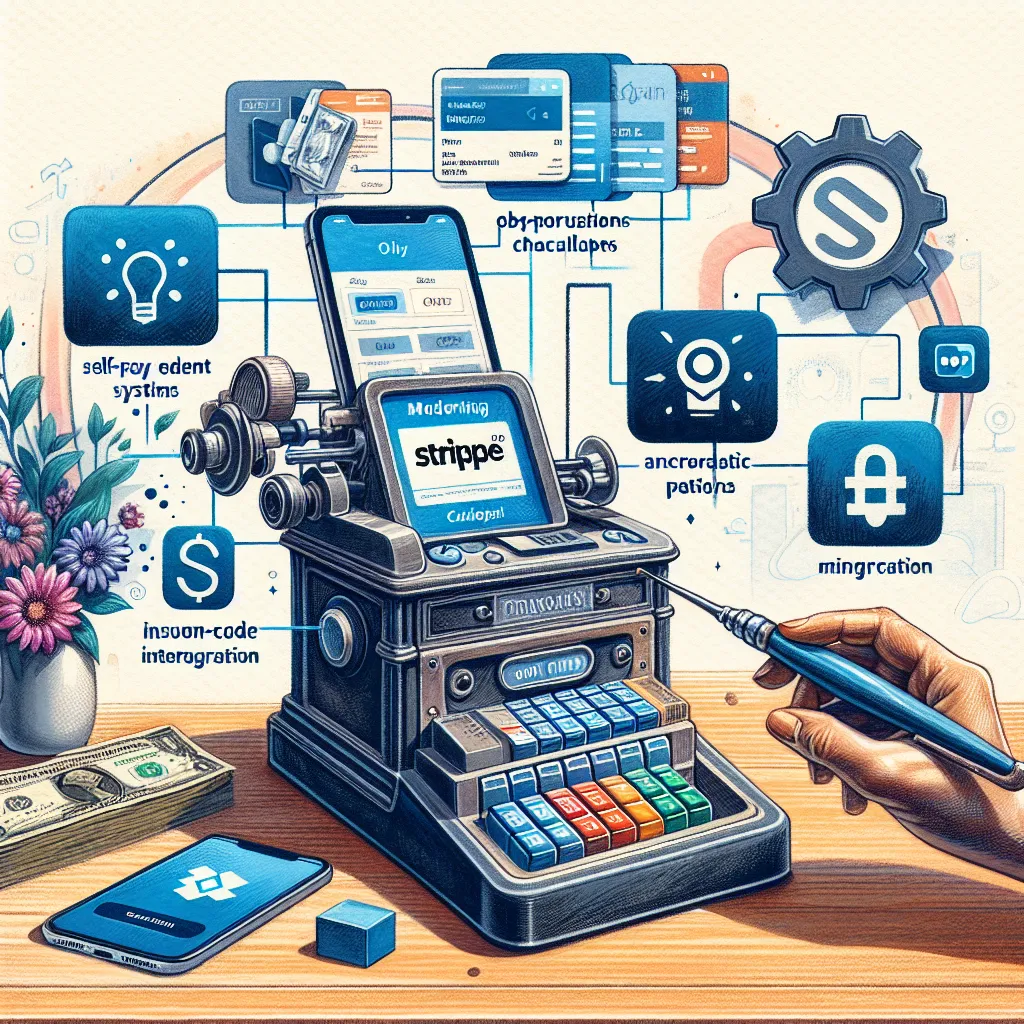
Modernizing healthcare payments typically requires overhauling clunky legacy systems. Instead, this startup offers modular payment widgets (e.g., self-pay checkout, co-pay calculators, insurance pre-authorization tools) that can be embedded into existing EMRs or billing software via no-code or low-code integration. It’s like adding a Shopify plug-in to an old medical software system. For instance, a small OB-GYN practice using a 20-year-old patient portal could add a slick Stripe-like payment interface in minutes without replacing their entire backend.
Description
No additional description provided.
The Pitch
Navigating the complexities of healthcare payment systems often means grappling with outdated and cumbersome legacy systems. Replacing these systems entirely can be a daunting, time-consuming, and costly endeavor, particularly for small to medium-sized healthcare practices. What if there was a way to seamlessly modernize these systems without a full-scale overhaul? Enter a startup dedicated to transforming healthcare payments by offering modular payment widgets. These tools can be integrated into existing Electronic Medical Records (EMRs) or billing software through no-code or low-code methods. This approach is akin to adding a Shopify plug-in to an outdated medical software system, revolutionizing payment processes efficiently and effortlessly.
Background and Problem
Healthcare providers, especially smaller ones, often rely on legacy systems that are antiquated by modern standards. These systems can be inefficient, lacking in user-friendly interfaces and are often incompatible with contemporary payment methods that patients increasingly prefer. The lack of modern payment solutions can frustrate patients, create extra work for administrative staff, and ultimately impact cash flow for healthcare practices. The core issue is integrating modern payment capabilities without exhaustive changes to existing infrastructures that are deeply embedded in daily operations.
Solution
The innovative solution lies in the creation of modular payment widgets. These widgets perform various payment-related tasks such as self-pay checkout, co-pay calculation, and insurance pre-authorization. The standout feature of these widgets is their ability to be embedded directly into existing healthcare software platforms without necessitating their complete replacement. By leveraging no-code or low-code integration, even practices with limited IT resources can install and benefit from these tools at a fraction of the time and cost required for a full system revamp.
Product Details
The suite of modular payment widgets is versatile and user-friendly:
1. Self-Pay Checkout: Enables patients to easily make payments directly from the provider’s portal with a recognizeable, streamlined interface that they can trust.
2. Co-Pay Calculators: Offers clarity by allowing patients and staff to quickly compute what a patient owes based on their benefits and the healthcare services provided.
3. Insurance Pre-Authorization Tools: Expedites the insurance pre-authorization process by integrating directly with payers and automatically updating the status within the patient management system.
These products can be accessed via subscription, making them an affordable option for practices of various sizes.
Tools for Easy Launch
For those interested in creating this innovative solution, several tools can facilitate a smooth launch:
- No-code development platforms such as Bubble or Adalo can help create the payment widgets without extensive coding. - Integration platforms like Zapier or Integromat can be utilized to ensure seamless connectivity between these widgets and existing healthcare systems. - Stripe and other payment processing platforms can be utilized to power secure transactions.
GTM Strategy
1. Target Audience: Focus on small to medium-sized healthcare practices who predominantly use legacy systems.
2. Partnerships: Collaborate with EMR vendors to offer bundled solutions to their existing customers.
3. Pilot Programs: Initiate pilot programs with select practices to showcase the system’s efficiency and easy integration process.
4. Digital Marketing: Utilize targeted online campaigns to reach doctors, practice managers, and healthcare administrators, highlighting case studies and testimonials from pilot program participants.
5. Educational Content: Develop webinars and white papers that discuss the benefits of modernizing legacy payment systems and showcase the step-by-step integration processes.
Business Model
The startup can adopt a subscription-based model with tiered pricing depending on the size of the practice and the number of widgets used. This model ensures a predictable revenue stream and allows for scalability. Additionally, offer consulting services for practices needing customization of the widgets, providing another revenue source.
In summary, this venture aims to bridge the gap between outdated healthcare payment systems and modern technology, allowing healthcare providers to enhance their payment processes without the daunting task of overhauling entire systems. This innovative approach will not only improve efficiency but also patient satisfaction, making it a compelling value proposition for healthcare practices of all sizes.