Modular Tiny Home Business as Rental Opportunities
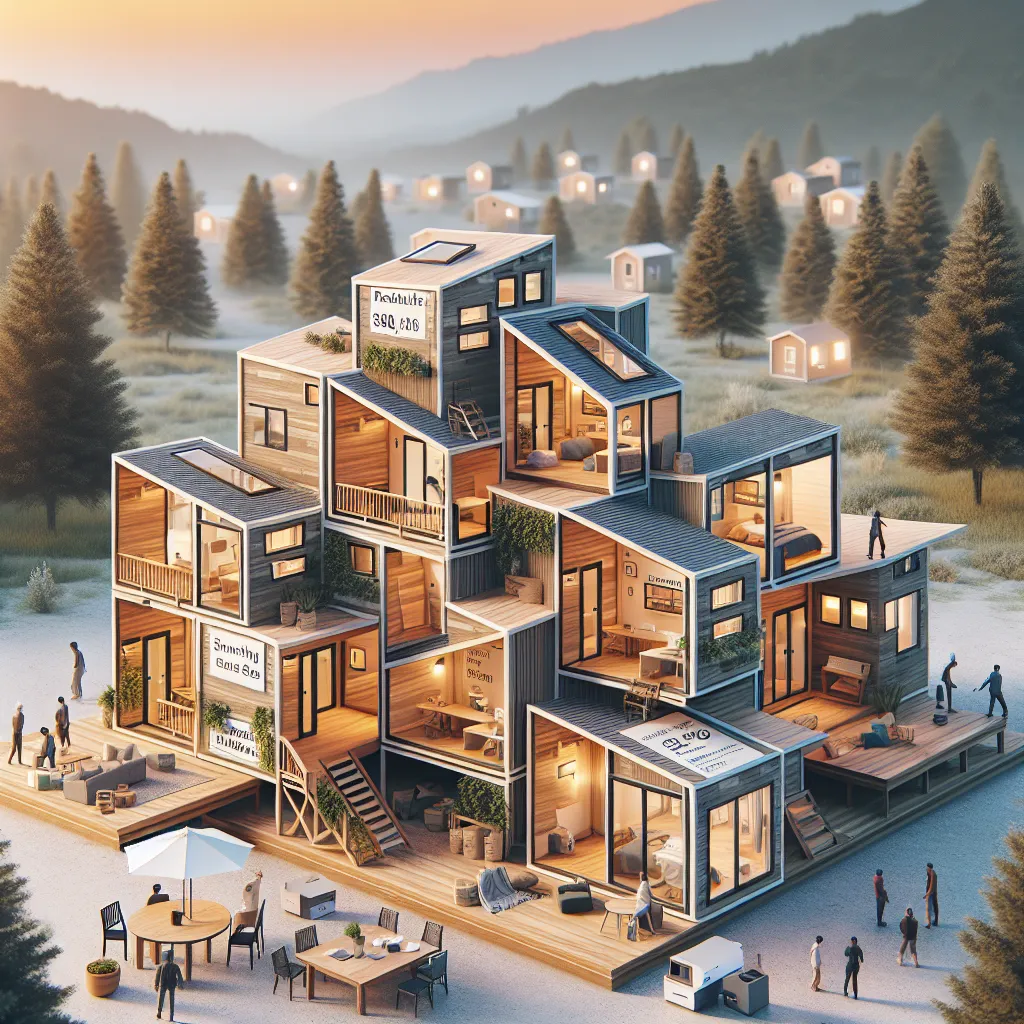
Capitalize on the booming tiny home market by offering modular, interlocking tiny homes that are affordable, sustainable, and easy to assemble. Designed for Airbnb hosts, outdoor enthusiasts, and affordable housing solutions, these units cost $8,000–$15,000 to build and serve as rentals, off-grid cabins, or permanent housing. Revenue streams include direct sales, rentals, assembly services, and wholesale partnerships. By leveraging social media, influencer collaborations, and targeted outreach to developers and landlords, the business can scale rapidly. With low-cost production, high margins, and strong market demand, this venture offers a scalable path to profitability in the growing alternative housing sector.
Description
No additional description provided.
The Pitch
The surge in popularity of minimalist living has sparked a revolution in the housing market, where many are now seeking affordable and environmentally friendly alternatives to traditional homes. Enter the innovative model of modular, interlocking tiny homes. These structures are not only cost-effective, ranging from $8,000 to $15,000 to construct, but they also offer the flexibility to serve various markets including Airbnb hosts looking for unique rental options, outdoor enthusiasts in search of sturdy off-grid cabins, and individuals seeking out affordable permanent housing solutions.
The outcome of these diverse applications is a multi-faceted revenue model that capitalizes on direct sales, rentals, assembly services, and wholesale partnerships. By focusing on sustainability and ease of assembly, these tiny homes appeal to a broad demographic, accelerating market penetration. This approach not only taps into the current Airbnb trend, where hosts continually seek distinctive accommodations to attract guests but also addresses the pressing need for more economical housing solutions in urban and rural areas alike.
To effectively reach prospective customers and stakeholders, a strategic go-to-market strategy harnesses the power of digital platforms. Social media, paired with influencer partnerships, serves as a primary channel for engagement and brand awareness, essentially displaying the ease of assembly and versatility of these tiny homes in a realistic setting. Additionally, targeted outreach programs aimed at property developers and landlords will delineate the benefits such as the ROI from deploying these units on their land, either through rental income or reduced construction costs.
Overall, this venture not only offers a highly scalable and lucrative business opportunity in the burgeoning alternative housing market but it also aligns with a broader societal shift towards sustainable living. By focusing on low-cost production, high margins, and identifying strong market demand, this initiative is set to redefine living spaces and provide innovative solutions that benefit consumers and investors alike.