Modular Smart-Room Kits for Easy Upgrades
Hotels and apartment complexes often run on outdated infrastructure, making “smart” upgrades costly and disruptive. Guests want connected lighting, keyless entry, and personalized controls, but operators can’t rip out entire systems. A startup could build modular smart-room kits — plug-and-play sensors and software that retrofit rooms in hours, not months. The distribution is property management companies and hotel chains, who think in portfolios: win one contract, retrofit thousands of rooms. Imagine a budget hotel brand suddenly offering app-controlled lighting, climate, and keyless entry across 300 properties without construction downtime.
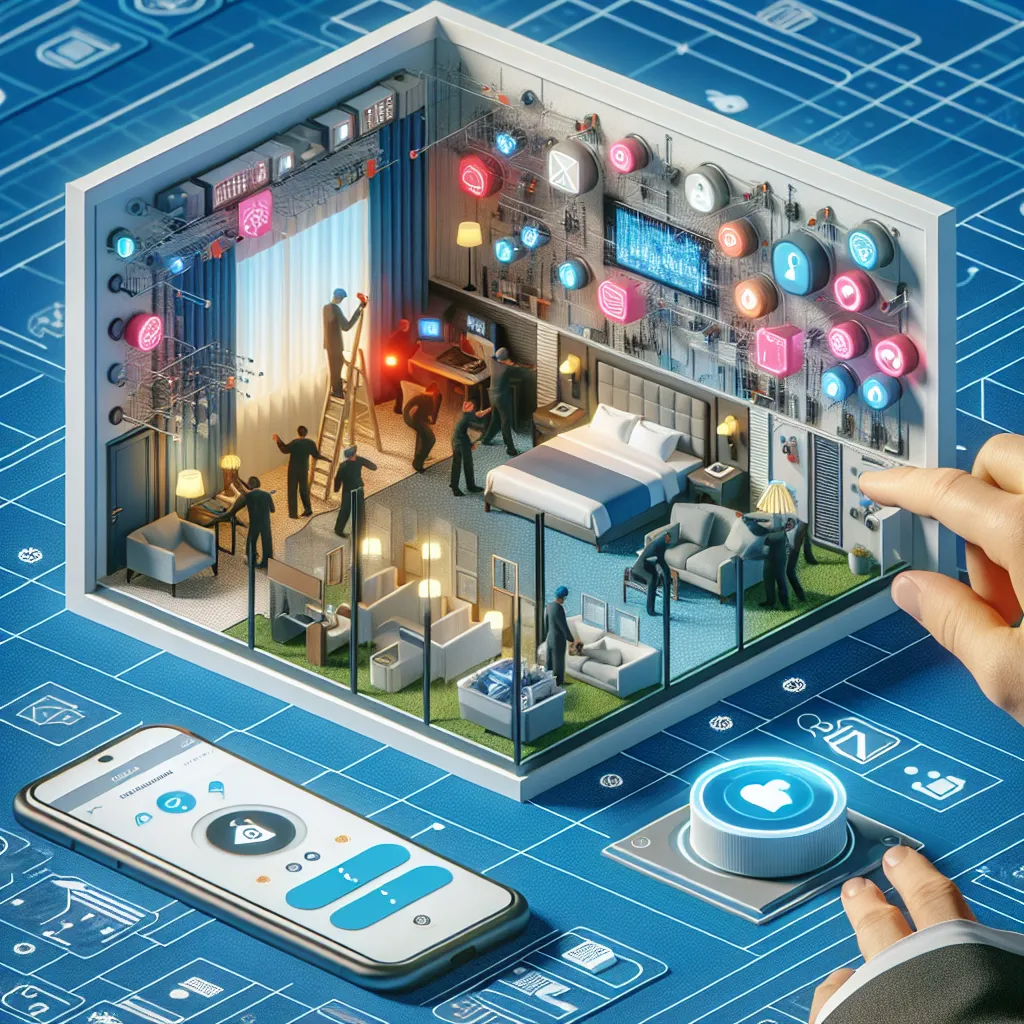
Description
No additional description provided.
The Pitch
In the hospitality industry, modernization is often hindered by outdated infrastructure and the high costs associated with implementing new technology. Hotels and apartment complexes, in particular, face challenges when integrating smart solutions due to the disruptive nature of traditional upgrades. Today's guests have come to expect seamless technology such as connected lighting, keyless entry, and personalized room controls. However, hotel operators are reluctant to overhaul entire systems due to cost, complexity, and downtime. There is a substantial opportunity here for innovation – the creation of modular smart-room kits that provide a cost-effective and quick solution to transform rooms with minimal disruption.
The Backstory:
Historically, the hospitality sector has been slow to adapt to technological advancements, largely due to the costs and complexities involved. Many properties operate on legacy systems, making smart upgrades impractical without significant renovations. Meanwhile, guest expectations are rapidly evolving, with travelers seeking experiences akin to what they enjoy in smart homes. The mismatch between guest desires and what traditional establishments offer represents a significant pain point in hospitality management.
Identifying the Problem:
The main issue facing hotels and apartment buildings is the need for modernization without incurring the costs and disruption associated with large-scale renovations. The existing infrastructure of many properties is not conducive to smart upgrades, meaning operators must either delay improvements indefinitely or brave the high costs and logistical challenges associated with replacing entire systems. This leaves many properties lagging behind in terms of technological offerings, impacting guest satisfaction and competitiveness in the market.
The Solution:
The solution lies in developing modular smart-room kits that can retrofit existing rooms with state-of-the-art technology quickly and efficiently. These kits would include plug-and-play sensors and software that easily integrate with existing systems. The idea is to provide a minimally invasive solution that can be installed in a matter of hours, rather than months, allowing properties to offer a smart experience to their guests without significant downtime or disruption.
Product Details:
The smart-room kits would comprise several key components:
1. Smart Lighting: Adjustable and programmable lighting solutions that guests can control via a smartphone app or in-room interface. 2. Keyless Entry Systems: Secure entry mechanisms that eliminate the need for physical keys, enhancing guest security and convenience. 3. Climate Control: Smart thermostats and sensors that allow guests to personalize room temperature settings for optimal comfort. 4. Integration Platform: A centralized platform that interfaces with existing hotel management systems and guest apps for seamless operation.
Tools for MVP Launch:
For building and launching the minimum viable product (MVP), the following tools and approaches can be utilized:
- Prototyping Tools: Arduino or Raspberry Pi for hardware prototyping, combined with software development kits (SDKs) for app development. - Cloud Services: Amazon Web Services or Google Cloud for backend infrastructure to ensure scalability and reliability. - User Interface Design: Utilize tools such as Figma or Sketch for designing intuitive and user-friendly interfaces for guest interaction. - Rapid Deployment: Partner with hardware manufacturers for quick production and leverage agile methodologies to iterate and improve the MVP based on feedback.
Go-To-Market Strategy (GTM):
1. Target Market: Focus on property management companies and hotel chains that manage large portfolios and are seeking competitive differentiation through technological upgrades. 2. Strategic Partnerships: Collaborate with hospitality industry associations and technology integrators to reach potential clients and build credibility. 3. Pilot Programs: Offer trial installations to showcase ease of installation, minimal disruption, and enhanced guest experiences, using data from pilot sites as case studies. 4. Marketing and Sales: Utilize digital marketing, industry trade shows, and direct sales teams to create awareness and drive adoption.
Business Model:
The business model could be a subscription-based model offering a complete service package including hardware, software, updates, and maintenance. Alternatively, there could be an initial installation fee followed by periodic subscription payments for ongoing support and software updates. The key is to emphasize cost-effectiveness, speed of deployment, and the substantial value add in terms of guest satisfaction and operational efficiency.
Conclusion:
By developing modular smart-room kits, there is a clear opportunity to revolutionize the way hotels and apartment complexes adapt to the demands of modern travelers. This innovative solution addresses the pressing need for quick, cost-effective technology upgrades and positions operators to enhance their competitive edge in a rapidly evolving market.