Modular SDK for Embedding AI Ethics
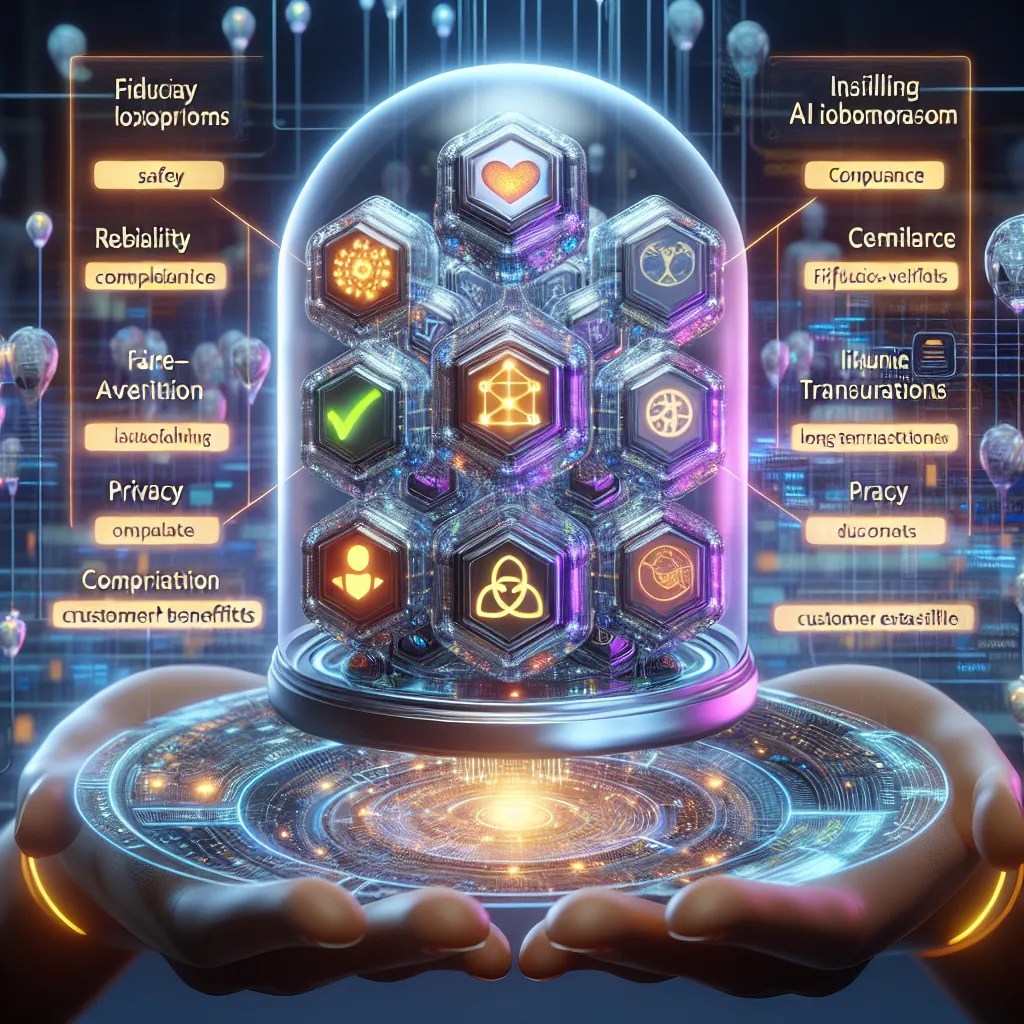
As AI gains autonomy, companies need a way to encode values, constraints, and domain-specific ethics into their AI systems. Today there’s no productized way to do it—just ad-hoc prompt engineering or internal guidelines. The solution is a modular SDK that lets companies install “value functions” directly into models: safety, reliability, fairness, compliance, privacy, risk-aversion, cultural norms. Why now: the shift from tools to agents demands a formalized alignment layer. Example: a financial platform deploys it so the model prioritizes fiduciary safety rules and long-term customer benefit, not just the fastest transactional answer.
Description
No additional description provided.
The Pitch
As AI systems become increasingly autonomous, the need for embedding ethical guidelines, values, and constraints into their operational frameworks has grown significantly. Traditionally, this has been addressed through ad-hoc methods like prompt engineering or internal guidelines. However, these make-shift solutions are inadequate for ensuring robust, consistent, and scalable ethical behaviors in AI systems across diverse industries.
Problem Statement
The core issue is the absence of a standardized, productized method for incorporating values and ethics into AI development. This gap is concerning, especially given the trend of AI evolving from tool-based applications to more autonomous agents that can make decisions with significant impact. Companies struggle to ensure that their AI systems are safe, reliable, fair, compliant, and culturally aware. This lack of a formalized alignment layer leads to risks such as unethical decision-making, biased outputs, and non-compliance with regulations.
Solution Overview
The solution is to develop a modular SDK that allows companies to directly install value functions into their models. This SDK would serve as a plug-and-play ethical alignment tool, ensuring comprehensive coverage of necessary value categories like safety, reliability, fairness, compliance, privacy, risk-aversion, and cultural norms. The SDK would act as the necessary alignment layer that formalizes and standardizes the integration of these values into AI systems.
Product Details
This modular SDK will include:
1. Predefined Modules: Libraries containing value functions tailored for various ethical needs such as privacy compliance or cultural sensitivity.
2. Customization Tools: Options for companies to define and integrate their own custom value functions specific to their domain and operational requirements.
3. Integration Framework: APIs and developer documentation to facilitate easy embedding of the SDK into existing AI models and platforms.
4. Testing Suite: Tools to test and validate the integration of value functions against real-world scenarios and datasets to ensure effectiveness and compliance.
5. Continuous Monitoring & Updates: Features for ongoing monitoring of AI decisions to ensure adherence to defined values, along with regular updates to incorporate new ethical standards and regulations.
Tools for MVP Launch
- Development Platforms: Using existing AI development platforms like TensorFlow or PyTorch for SDK compatibility. - Version Control: GitHub or GitLab repositories for collaborative development and version management. - Deployment: Cloud services like AWS, Google Cloud, or Azure for scalability and easy deployment. - Testing: Use of simulation environments and testing frameworks to ensure robust functioning of the SDK in various scenarios.
Go-To-Market Strategy (GTM)
1. Target Market: Identify key industries such as finance, healthcare, and automotive where ethical alignment is critical.
2. Partnerships: Collaborate with AI research institutions and compliance bodies to validate and promote the SDK’s capabilities.
3. Awareness Campaigns: Create informative content and workshops about the importance of ethical alignment in AI to educate potential users and stakeholders.
4. Pilot Programs: Offer pilot SDK implementations to select companies for real-world validation and initial feedback.
5. Community Engagement: Build a developer community around the SDK to foster innovation and gather user input for continuous improvement.
Business Model
- Licensing: Offer the SDK on a subscription-based licensing model, giving companies access to updates and premium support. - Custom Development: Provide consultancy services for bespoke integration and development of custom value functions. - Open Source Component: Release core elements of the SDK under an open-source license to reduce entry barriers and encourage widespread adoption. - Marketplace: Develop a marketplace for third-party modules and value functions contributed by independent developers.
Through this approach, the goal is to create a universally-recognized standard for embedding ethical alignment in AI, addressing a critical need in the rapidly evolving landscape of artificial intelligence.