Modular Pop-Up Infrastructure for Touring Economies
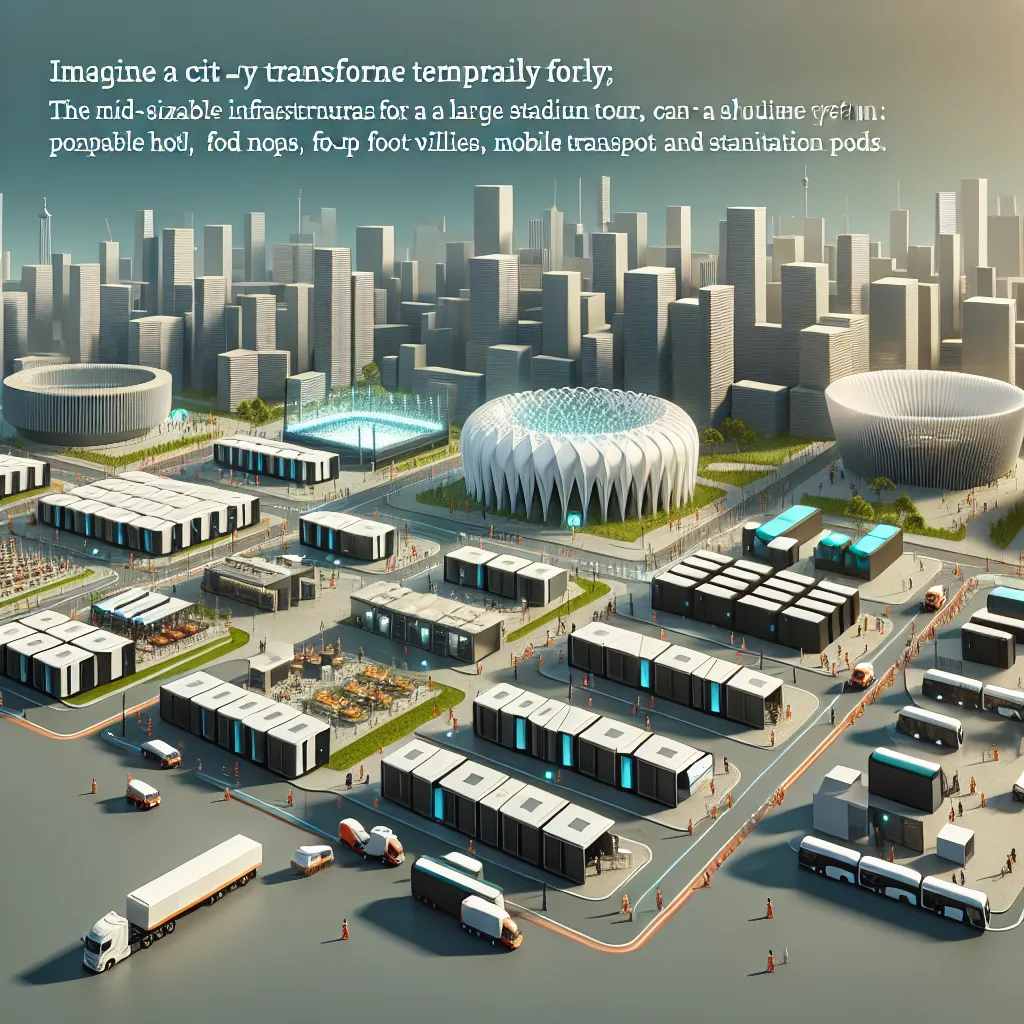
Stadium tours today overwhelm city infrastructure — hotels are booked, traffic surges, sanitation systems strain — yet these spikes last only days. Cities can’t justify permanent builds. Solution: a modular, scalable infrastructure kit rented by cities, including portable hotels, pop-up food villages, mobile transport hubs, and sanitation pods. Think “concert city in a box.” Why now? Stadium tours like Swift’s or Beyoncé’s have local GDP impact akin to the Super Bowl, but for dozens of cities a year. Demand for flexible urban solutions has never been higher. Example: For Taylor Swift’s Eras Tour, a mid-sized city like Glendale could deploy a temporary hotel village and shuttle system, boosting capacity without permanent spend.
Description
No additional description provided.
The Pitch
In recent years, major stadium tours featuring artists like Taylor Swift and Beyoncé have created unprecedented economic impacts on local communities akin to major events such as the Super Bowl. However, these surges in demand for accommodation, transportation, and public utilities overwhelm city infrastructure. The challenge lies in managing these temporary spikes without investing in permanent solutions that are underutilized most of the year.
Backstory: Stadium tours attract tens of thousands of fans to cities that are often unprepared for such short-term influxes. The result is a strain on local resources including sold-out hotels, congested traffic, and overloaded sanitation systems. Traditionally, cities face the dilemma of choosing between inadequate temporary measures and expensive permanent infrastructure that remains idle. This challenge is now a high priority as the popularity and frequency of large-scale tours continue to rise.
Problem: The core problem is the mismatch between short-term demand surges during stadium tours and the existing city infrastructure, which is designed for regular day-to-day populations. The inability to efficiently manage this demand not only tarnishes the consumer experience but also limits the economic benefits cities can garner from these events due to infrastructure constraints.
Solution: The proposed solution is an all-inclusive, modular, and scalable infrastructure kit that cities can rent specifically for major events. This concert city in a box creates a temporary urban support system including portable hotels, pop-up food villages, mobile transport hubs, and efficient and eco-friendly sanitation pods. These setups are designed for easy assembly and disassembly, ensuring rapid deployment while being cost-effective.
Product Details: 1. Portable Hotels: Pre-fabricated, comfortable lodgings that can be easily transported and set up quickly to accommodate thousands of visitors. 2. Pop-up Food Villages: Versatile food service units that bring a diverse range of culinary options on site. 3. Mobile Transport Hubs: Temporary shuttle systems and bike-sharing stations that alleviate congestion and improve mobility. 4. Sanitation Pods: Advanced waste management systems designed to handle high volumes with minimal environmental impact.
Tools for MVP Launch: 1. Modelling Software: To simulate deployments and ensure configurations meet specific city needs. 2. Logistics Platform: For coordinating transport and assembly in different locations. 3. Partnership Network: Collaboration with event promoters, local governments, and service providers to streamline adoption.
GTM Strategy: 1. Partnerships: Forge alliances with major event promoters and artists' management teams to demonstrate the value of infrastructure kits. 2. Pilot Programs: Initiate small-scale trials in select cities hosting upcoming tours to showcase effectiveness and gather feedback. 3. Marketing Campaigns: Utilize social media and digital platforms to highlight the benefits and testimonials from pilot programs to drive interest. 4. Case Studies: Develop detailed reports of economic impact and operational success, distributed through trade publications and city planning forums.
Business Model: The proposed business model is based on a rental system that allows flexibility and scalability. Cities can rent only what they need, when they need it, without the burden of ownership costs. This model ensures affordability and maximizes resource utilization.
Conclusion: This adaptable infrastructure approach addresses the pressing need for temporary urban solutions during major events, without inflicting the financial or environmental costs of permanent builds. By leveraging this innovative concert city in a box, cities can effectively manage the economic influx of stadium tours, ensuring a smoother, more profitable experience for both local economies and the visitors they welcome.