Modular Neuroprosthetics Platform: A Marketplace Revolution
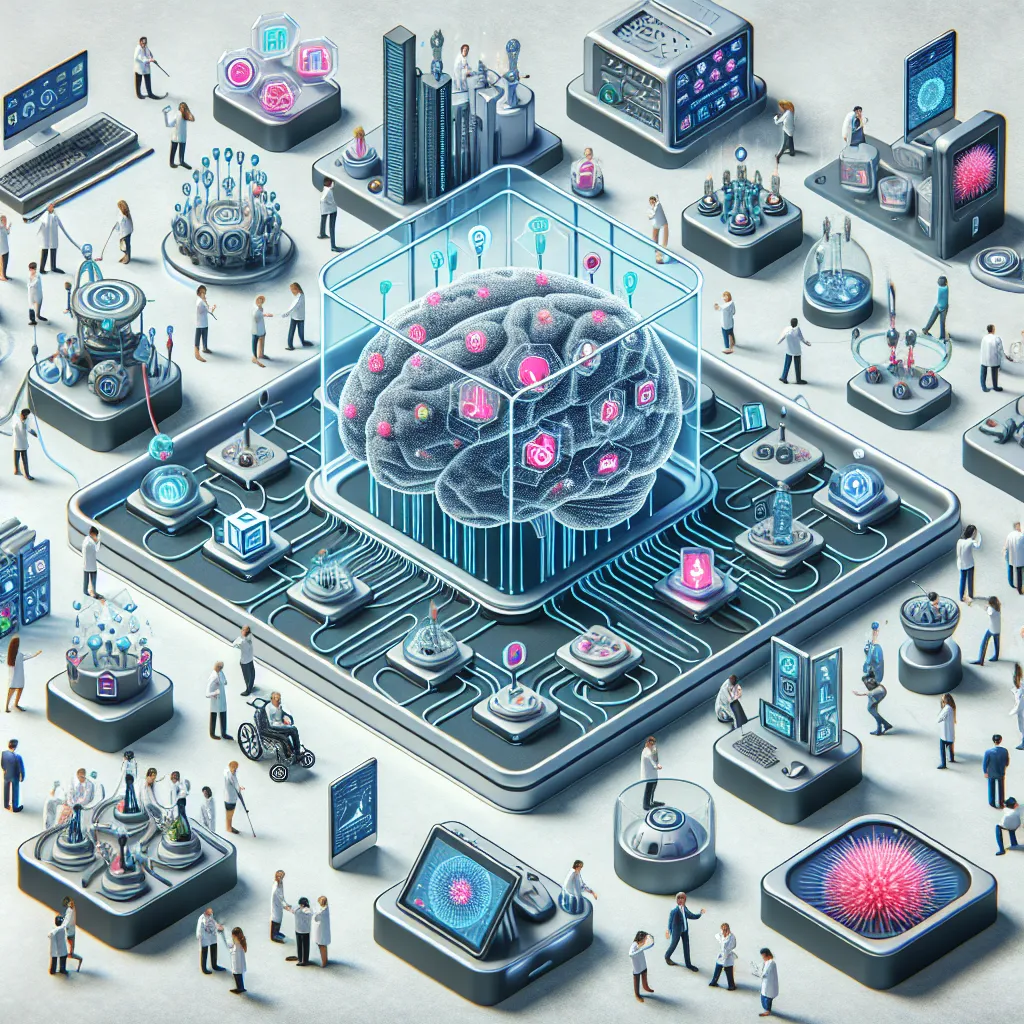
Right now, neuroprosthetics are one-off solutions—custom, expensive, and limited to specific conditions. There’s no ecosystem. But if you standardize how devices communicate with the brain, prosthetics stop being products and start becoming platforms. Imagine a modular system where different capabilities—balance, motor control, even sensory enhancements—can be added or upgraded over time. It’s less like getting a medical device and more like installing an app. The real opportunity isn’t building one prosthetic—it’s owning the marketplace where all of them plug in.
Description
No additional description provided.
The Pitch
Imagine a world where neuroprosthetic devices are not isolated, highly customized solutions, but part of a versatile ecosystem that allows for modular upgrades and enhancements. This concept shifts neuroprosthetics from singular products to dynamic platforms, where balance, motor control, and sensory enhancements can be plugged in or updated like software. The vision pivots away from one-off medical devices to an innovative marketplace for integrated, customizable solutions.
### Backstory
Historically, neuroprosthetic development has been siloed, with each device painstakingly tailor-made for individual patients or specific conditions. This approach leads to high costs and limited accessibility. For many individuals relying on these devices, this means long waiting periods, prohibitive expenses, and a lack of flexibility or upgrades once the device is built. The technology is promising, but the applications remain narrowly defined and underutilized.
### Problem
The current neuroprosthetics landscape is plagued by several challenges: - High Customization Costs: Each device is unique, requiring significant time and resources. - Limited Adaptability: Devices are typically designed for specific functionalities, preventing enhancements or modifications. - Lack of Integration: There is no standardized approach for communication between various prosthetic elements and the brain, limiting interoperability. - Absence of a Unified Platform: The industry lacks a marketplace or ecosystem where multiple devices can be seamlessly integrated.
### Solution
Introduce a standardized communication protocol and a modular system for neuroprosthetics that allows for easy upgrades and integration of new functionalities. This ecosystem would not only enhance user experience but also decrease costs by leveraging economies of scale and standardized production methods.
### Product Details
- **Modular Design**: Devices will be designed with modular components that can be easily swapped or upgraded. - **Standardized Protocol**: Implement a universal communication protocol for all devices within the ecosystem, enabling them to 'speak the same language.' - **Marketplace Infrastructure**: Create a platform where different manufacturers can offer compatible modules and enhancements in a centralized location, akin to an app store. - **User Interface**: Develop an intuitive user interface allowing users to customize and control their prosthetic capabilities from a mobile app or desktop interface.
### Tools for Launching the MVP
- **Open Source Software Framework**: Utilize existing open-source frameworks to develop the core communication protocol. - **3D Printing Technology**: Employ 3D printing to produce initial modular prototypes at a reduced cost. - **Wearable Technology**: Integrate wearable tech to facilitate tracking and control functionalities. - **Collaboration with Universities**: Partner with academic institutions for research and development expertise.
### Go-to-Market Strategy
- **Target Early Adopters**: Focus on tech-savvy individuals with existing prosthetic needs who may benefit from modular enhancements. - **Partnerships with Healthcare Providers**: Collaborate with healthcare institutions to reach more potential users and validate the technology. - **Pilot Programs**: Launch controlled pilot programs in select markets to gather data and refine the product. - **Conference Participation**: Present the technology at neuroscience and medical device conferences to build industry buzz and establish credibility.
### Business Model
- **Platform Fee**: Charge a commission for transactions occurring on the marketplace. - **Subscription Model**: Offer a subscription for access to premium modules and priority support. - **License the Protocol**: License the standardized communication protocol to third-party prosthetic manufacturers. - **Data Monetization**: With consent, use anonymized user data to inform ongoing product improvements and offer valuable insights to healthcare researchers.
In conclusion, transitioning neuroprosthetics from isolated, custom devices to a modular, ecosystem-driven model offers immense potential to revolutionize the industry. By standardizing communication and creating a vibrant marketplace, users gain flexibility, manufacturers benefit from new revenue streams, and overall costs are reduced. This approach not only meets current market needs but is poised to drive future advancements in neuroprosthetic technology.