Modular Micro-Fulfillment Pods Revolutionize Urban Delivery
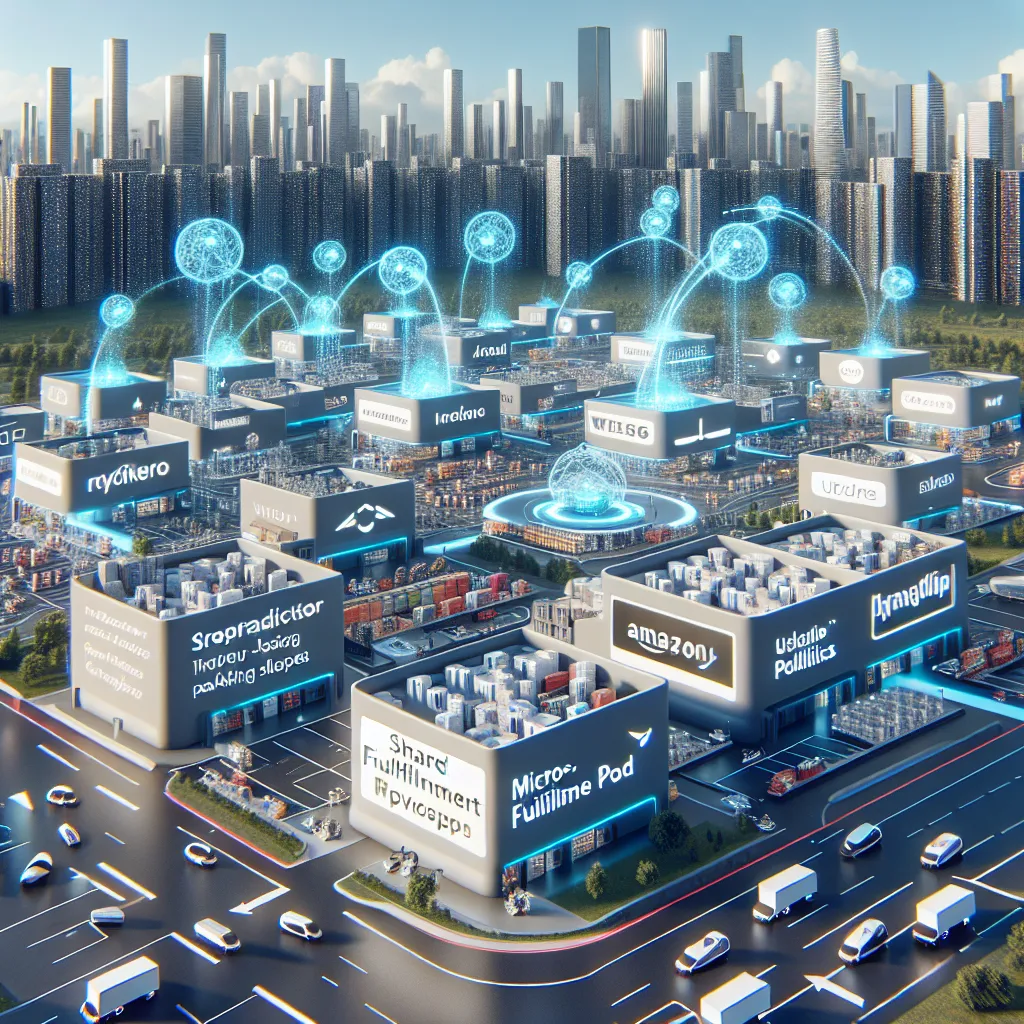
Big-box warehouses are losing appeal just as consumer expectations for fast delivery keep rising. Retailers don’t want to commit to giant facilities when demand is uncertain, but they still need to compete on same-day and last-mile delivery. The problem is that urban fulfillment remains expensive and fragmented. The solution is modular, shared micro-fulfillment pods located closer to cities, where multiple retailers can pool resources for last-mile logistics. These pods could be prefabricated, robotic, and highly flexible, turning dead retail or parking lots into productive nodes. The trend is visible in experiments like Walmart’s neighborhood micro-fulfillment centers and Amazon’s growing urban hubs. But a true shared model doesn’t exist yet—one that treats fulfillment like co-working for retail. Imagine Shopify merchants in a city collectively plugging into the same pod to offer two-hour delivery without ever touching a giant warehouse lease.
Description
No additional description provided.
The Pitch
In recent years, the landscape of retail logistics has been rapidly evolving, driven by increasing consumer expectations and technological advancements. Traditional big-box warehouses, once the cornerstone of supply chains, are now seen as cumbersome and inefficient, especially in an age where consumers demand rapid delivery. Retailers face a paradox: they must meet these expectations without the financial burden and inflexibility of large warehouses, especially when demand can fluctuate unpredictably.
**The Problem**
Urban fulfillment, essential for same-day and last-mile delivery, remains a costly and challenging endeavor. The main issues include high real estate costs in urban areas, underutilized spaces, and fragmented logistics operations. Retailers are thus caught in a dilemma: how to offer fast shipping services without the heavy investment in new, potentially underused infrastructure.
**The Solution**
The answer lies in the development of modular, shared micro-fulfillment pods located near urban centers. These pods would allow multiple retailers to pool resources, thereby optimizing last-mile logistics collectively rather than individually. By focusing on shared fulfillment services, these pods would transform underutilized urban spaces—such as closed retail outlets or empty parking lots—into efficient, productive nodes. Utilizing prefabricated designs and robotic systems, these pods can be rapidly deployed and easily adapted to changing retailer needs.
**Product Details**
These modular micro-fulfillment pods would be:
- **Prefabricated and Robotic**: Designed for quick setup and equipped with automation technology to handle inventory sorting and order picking efficiently.
- **Flexible and Scalable**: Capable of evolving with retailer needs and demand fluctuations, allowing space and resources to be shared dynamically.
- **Resource-Sharing Nodes**: Functioning as co-working spaces but for fulfillment, allowing diverse retailers—such as small Shopify merchants—to share logistics capabilities.
- **Environmentally Friendly**: Reducing carbon footprints by optimizing urban deliveries and turning inactive spaces into productive areas.
**Tools for Launching the MVP**
- **3D Modeling and Design Software**: To plan and visualize modular pod setups and configurations.
- **Robotics and Automation Provider**: Partner with a tech company specializing in warehouse robotics.
- **Cloud-Based Inventory Management System**: To ensure seamless integration and cooperation between multiple retailers within the same pod.
- **Real Estate Partnerships**: Collaborate with property owners and developers to secure urban spaces ready for conversion.
**Go-to-Market (GTM) Strategy**
1. **Partnerships with E-commerce Platforms**: Form strategic alliances with platforms like Shopify and WooCommerce to attract online retailers.
2. **Pilot Programs**: Initiate small-scale pilots in various cities to test logistics and gather data on performance and retailer benefits.
3. **Marketing Campaigns**: Highlight cost savings, delivery speed improvements, and environmental benefits in targeted digital marketing campaigns.
4. **Retailer Incentives**: Offer subsidies or discounts for early adopter retailers and provide seamless onboarding processes.
**Business Model**
- **Subscription-Based Access**: Charge a monthly fee for retailers to access the micro-fulfillment network, covering logistics, tech support, and space rental.
- **Pay-Per-Use Logistics**: Implement variable fees based on the volume of goods processed and delivered, allowing for more flexible scaling according to each retailer's needs.
- **Collaborative Partnerships**: Foster an ecosystem of partners that include tech providers, transport companies, and sustainability experts to enhance the overall value proposition.
By leveraging modular, shared fulfillment pods, this concept not only addresses the immediate logistics challenges facing urban retailers but also offers a sustainable, scalable solution for the future of retail logistics.