Modular Fashion: Transformable Clothing for Versatility
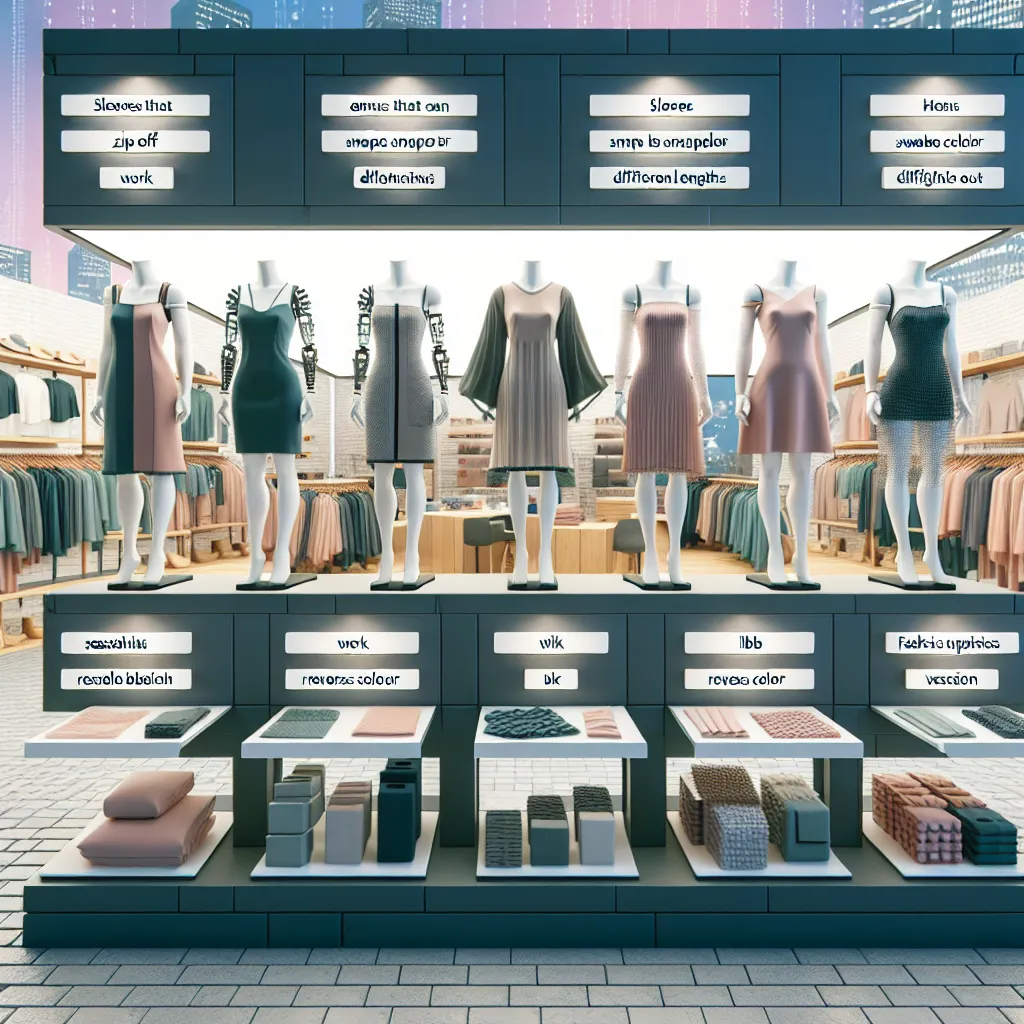
Fast fashion is unsustainable, yet most wardrobes are static. This startup offers a plug-and-play design system for clothing brands that enables garments to transform: sleeves that zip off, hems that snap into new lengths, fabrics that reverse color or layer. It’s both a toolkit for modular fashion brands and a marketplace for swappable garment parts. Think of it like a “Lego for clothing.” 2025’s modularity trend and consumer desire for versatility support this. For example, a consumer could buy a base dress and swap in new panels for work, a night out, or vacation — instead of buying three different outfits. One brand could sell seasonal update kits instead of entire collections.
Description
No additional description provided.
The Pitch
The fashion industry is evolving, driven by consumer demand for sustainability and versatility. Traditional fast fashion models, focused on frequent wardrobe updates, are facing significant backlash due to environmental concerns. Meanwhile, most wardrobes remain static, unable to adapt to varying needs without acquiring new items. In response to this challenge, an innovative concept emerges: a modular clothing system that empowers brands to offer dynamic, adaptable garments.
Background: In 2025, the modularity trend is gaining momentum, reflecting consumers’ desires for flexible, multifunctional fashion items. As sustainability concerns grow, both consumers and brands are seeking alternatives to the disposable fashion culture. This shift sets the stage for a groundbreaking system that merges creativity with eco-consciousness.
The Problem: Consumers face limited versatility in their wardrobes, leading to repetitive purchasing and a cycle of waste. Traditional clothing design doesn’t address the need for garments that can adapt to different occasions without the need for additional purchases. Brands struggle to meet changing consumer expectations while balancing sustainability goals.
The Solution: Introducing a plug-and-play design system for clothing brands, this solution presents garments that can transform through modular components: detachable sleeves, adjustable hems, reversible fabrics, and more. It offers both a toolkit for brands to create modular fashion lines and a marketplace where consumers can find and exchange garment parts.
Product Details: - **Toolkit for Brands:** A comprehensive design and manufacturing system that allows brands to easily integrate modular components into their clothing lines. - **Marketplace Platform:** A digital space where consumers can purchase and swap garment components, fostering community engagement and sustainability. - **Adaptable Components:** Versatile elements like zippable sleeves, snap-on hems, and reversible colors, enabling endless styling possibilities. - **Sustainable Materials:** Focus on eco-friendly materials to ensure the longevity and recyclability of garment parts.
Tools for Launching the MVP: - **Design Software:** CAD tools to assist designers in creating modular clothing pieces. - **Manufacturing Partnerships:** Collaborations with manufacturers specializing in modular garment production. - **E-commerce Platform:** Development of an intuitive online marketplace to facilitate consumer interactions and transactions. - **Prototyping Workshops:** Spaces where brands can experiment and refine their modular designs.
Go-to-Market Strategy: - **Target Early Adopters:** Focus on eco-conscious consumers and innovative fashion brands that prioritize sustainability. - **Partnerships with Influencers:** Collaborate with fashion influencers to showcase the versatility and sustainability of modular clothing. - **Educational Content:** Create content that highlights the benefits and uses of modular fashion, encouraging adoption. - **Sustainability Campaigns:** Leverage social media to promote the environmental benefits of modular clothing, aligning with global sustainability goals.
Business Model: - **Revenue Sharing:** Generate income through revenue-sharing agreements with brands that use the design system. - **Marketplace Fees:** Charge a transaction fee for sales made through the online marketplace. - **Subscription Model:** Offer a subscription service for access to exclusive components or seasonal update kits. - **Brand Partnerships:** Develop premium collaborations with established brands to co-create modular collections.
Conclusion: This modular clothing system is poised to transform the fashion industry by offering an environmentally friendly, versatile alternative to traditional garments. By empowering brands with the tools they need and providing consumers with adaptable fashion choices, this solution addresses the growing demand for sustainable, personalized fashion. As the fashion landscape evolves, this innovative approach positions itself as a leader in bridging the gap between creativity and responsibility.