Modular AI Orchestration for Scalable Deployments
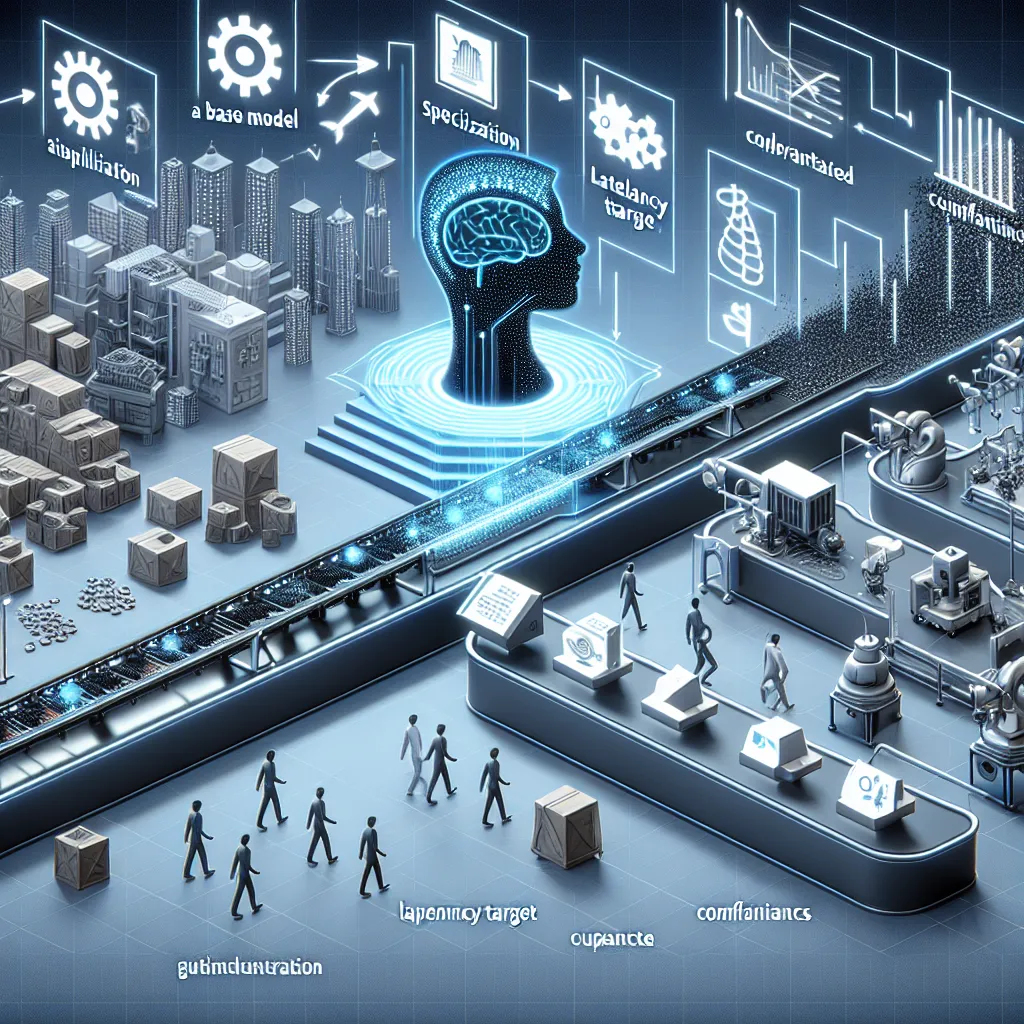
Open models are powerful but fragmented — teams waste time stitching together checkpoints, fine-tunes, and infra decisions. This startup turns open-source AI into a modular assembly line: choose your base model, specialization, latency target, and compliance constraints, and receive a production-ready stack. Not hosting, not inference — orchestration and guarantees. Why now: open models are “good enough,” but unusable at scale without structure. Example: a fintech selects an open model + compliance profile and deploys a hardened version without touching weights or infra.
Description
No additional description provided.
The Pitch
The rapid advancement of open-source AI models has created a revolutionary shift in technology, offering businesses unprecedented access to powerful machine-learning tools. However, this abundance of resources often leads to fragmented solutions, where development teams inevitably waste time on cumbersome processes like combining checkpoints, selecting fine-tunes, and determining infrastructure needs. This presents a significant challenge for organizations seeking to leverage AI at scale without overextending their resources.
Background
Open-source AI models have become increasingly sophisticated, providing the foundation for innovative applications in various industries. Despite their potential, many businesses struggle to implement these models effectively due to the complexities involved in integrating them into their operations. This is particularly true for sectors with stringent compliance and security requirements, where unaided implementation can lead not only to inefficiencies but also to increased risks.
The Problem
The primary issue lies in the lack of a systematic approach for deploying open-source AI models at scale. Current practices typically involve:
- Selecting an appropriate base model - Identifying and applying necessary fine-tuning techniques - Determining suitable infrastructure and latency thresholds - Ensuring compliance with industry-specific regulations
As a result, teams often find themselves spending substantial time and resources on these tasks, detracting focus from their core competencies and strategic goals.
The Solution
The solution is a modular AI orchestration platform designed to streamline the assembly and deployment of open-source models. This platform enables organizations to:
- Choose their preferred base model from a diverse library - Specify specialization needs according to their use case - Set latency targets and compliance constraints for their deployment - Gain access to a production-ready stack that requires no direct interaction with underlying weights or infrastructure
Product Details
The platform's key features include:
1. **Modular Assembly Line**: Built on a highly adaptable system that allows for quick integration of diverse AI models and tools. 2. **Customizable Specializations**: Supports fine-tuning and adjustment to meet specific industry or application requirements. 3. **Latency and Compliance Management**: Offers adjustable parameters to conform to performance and regulatory standards. 4. **Production-ready Stack**: Provides a seamless transition from development to deployment, bypassing typical infrastructure complexities. 5. **Orchestration Guarantees**: Ensures robustness and reliability in AI application delivery without onsite hosting or inference.
Tools for MVP Launch
To facilitate an easy launch of this platform as a minimum viable product (MVP), the following tools and technologies are recommended:
- **Containerization with Docker**: For isolated environments that simplify model testing and deployment. - **Kubernetes**: To manage containerized applications, ensuring scalability and reliability. - **TensorFlow Serving or TorchServe**: For serving models in production settings. - **Compliance Monitoring Tools**: To automate and verify that deployment remains within regulatory bounds. - **Integrated CI/CD Pipelines**: For efficient development cycles and updates.
Go-to-Market Strategy
- **Targeted Outreach**: Focus initially on industries with high compliance needs such as finance, healthcare, and legal sectors. - **Partnerships with Tech Enablers**: Collaborate with cloud service providers and other tech platforms to enhance service availability and visibility. - **Educational Content and Workshops**: Offer resources and training sessions to empower businesses to maximize their use of open-source AI. - **Demonstration Projects**: Develop pilot projects in prominent organizations to showcase real-world effectiveness.
Business Model
The business will operate on a subscription and usage-based model, offering different tiers based on the number of models deployed, feature access, and level of support. Additional revenue can be generated through consulting services, providing expert guidance and optimization strategies to clients.
Conclusion
This platform represents a transformative opportunity to make open-source AI models more accessible, manageable, and safe for businesses at scale. By addressing the challenges of fragmentation and complexity, it offers a straightforward path for organizations eager to integrate AI into their operations securely and efficiently.