Modern Quilting Hub for Effortless Project Management
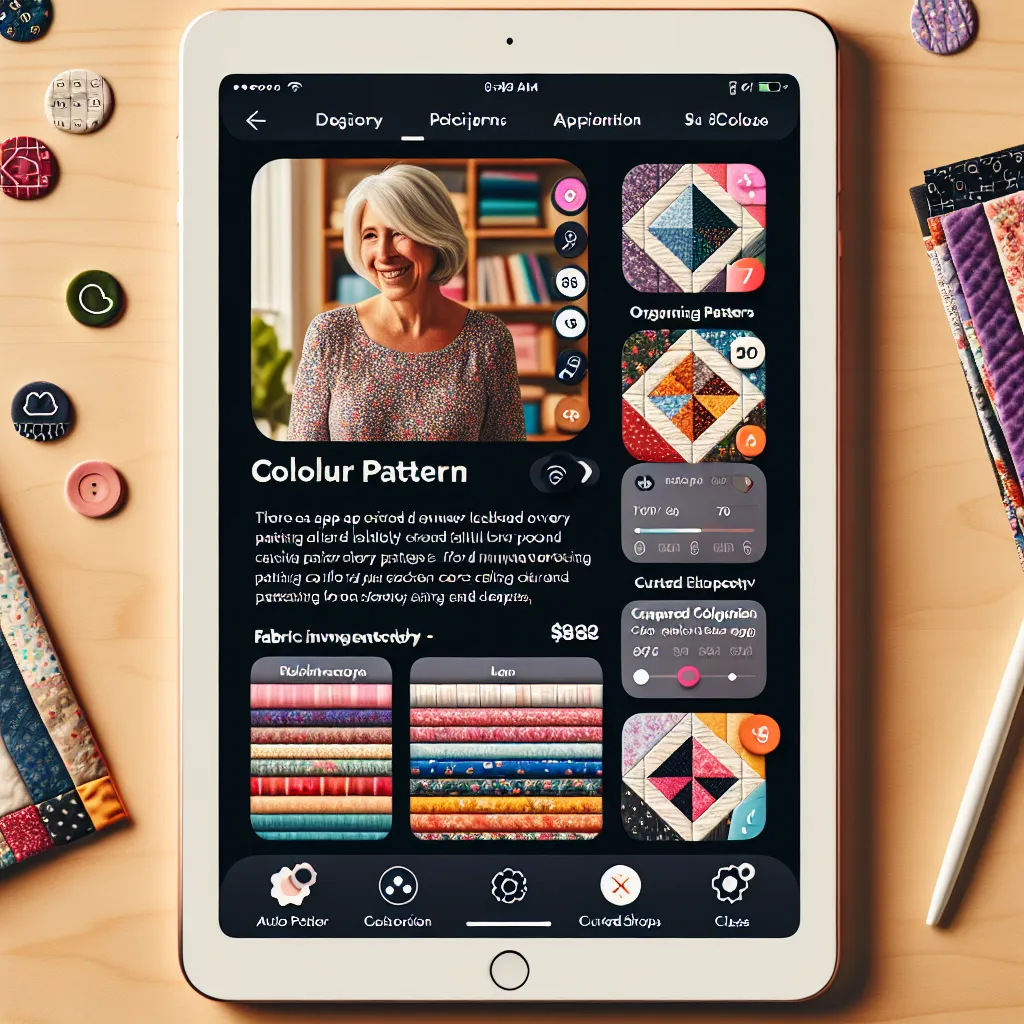
Quilters spend thousands on fabric and patterns, but track projects like it’s 1983: binders, screenshots, mystery PDFs, “where did I buy that?” chaos. There’s no modern command center built for them. Create a quilting hub to store patterns, track WIPs, log fabric inventory, auto-calc yardage, and surface curated shops and classes. Why now: this high-spend demo is finally comfortable with iPads, and AI helpers can translate complex patterns into clear steps. Example: a 67-year-old quilter pays $12/month because the app remembers every pattern, suggests color combos, and she never double-buys the same $80 bundle again.
Description
No additional description provided.
The Pitch
Quilting is a beloved hobby for many, offering both a creative outlet and a way to contribute to the arts. However, the tools available for managing quilting projects have not kept pace with the digital advancements seen in other hobbies. Enthusiasts often find themselves using outdated methods to track projects, manage supplies, and plan new creations. This challenge reflects not just an operational issue but also an opportunity to enhance the experience of quilting in the modern age.
For many quilters, the process involves a significant investment in fabric and patterns, often worth thousands of dollars. Despite this, organizational tools remain antiquated. Quilters rely on binders, screenshots, and assorted digital files to manage their projects. This outdated approach can lead to complications, such as losing track of where a particular pattern was purchased or ending up with duplicate fabric purchases.
To address these issues, there's a need for a comprehensive digital solution—a quilting hub that serves as a centralized platform for managing all aspects of quilting projects. This platform would allow users to store patterns, track works in progress (WIPs), and maintain an inventory of fabric. An additional feature would be automatic yardage calculations, helping to ensure that quilters buy only what they need. Such a tool could also curate a list of relevant shops and classes, making it easier for users to access new materials and learning opportunities.
The timing is ideal for introducing this kind of platform. The target demographic is becoming increasingly comfortable with technology, particularly tablets such as iPads, which makes digital solutions more viable. Furthermore, advancements in artificial intelligence could be leveraged to simplify complex quilting patterns and suggest harmonious color combinations, further enhancing the utility of the platform.
The platform's value proposition is clear: for a moderate subscription fee, quilters would gain peace of mind and convenience. Consider a potential user—a 67-year-old quilting enthusiast who subscribes for $12 per month. She benefits from the platform’s ability to remember every pattern she owns, make color combination suggestions, and prevent costly duplicate fabric purchases.
In terms of development, creating this tool as a minimal viable product (MVP) would involve using platforms and technologies that facilitate quick deployment and iteration. Development frameworks like React Native or Flutter could be ideal for building a seamless user experience on both iOS and Android devices. Integrating cloud services like Firebase can provide robust data storage and real-time updates, while AI services such as those offered by TensorFlow or AWS could power pattern translation and color-matching features.
The go-to-market (GTM) strategy for this platform would focus on engaging with the quilting community through both online and offline channels. Building an online presence through social media, quilting forums, and partnerships with quilting influencers could drive initial interest and user acquisition. Offline strategies might include sponsoring quilting events or collaborating with quilting supply stores to offer the platform as part of a package deal.
The business model revolves around a subscription-based service, offering different tiers based on the level of features and support. Additional revenue streams could include affiliate partnerships with fabric stores and workshops that appeal to the quilting community.
With an effective blend of technology, community engagement, and user-focused design, this platform aims to revolutionize the way quilting enthusiasts manage their projects, making the hobby more enjoyable and efficient than ever before.