Modern Mobile Alert Network for Rural Safety
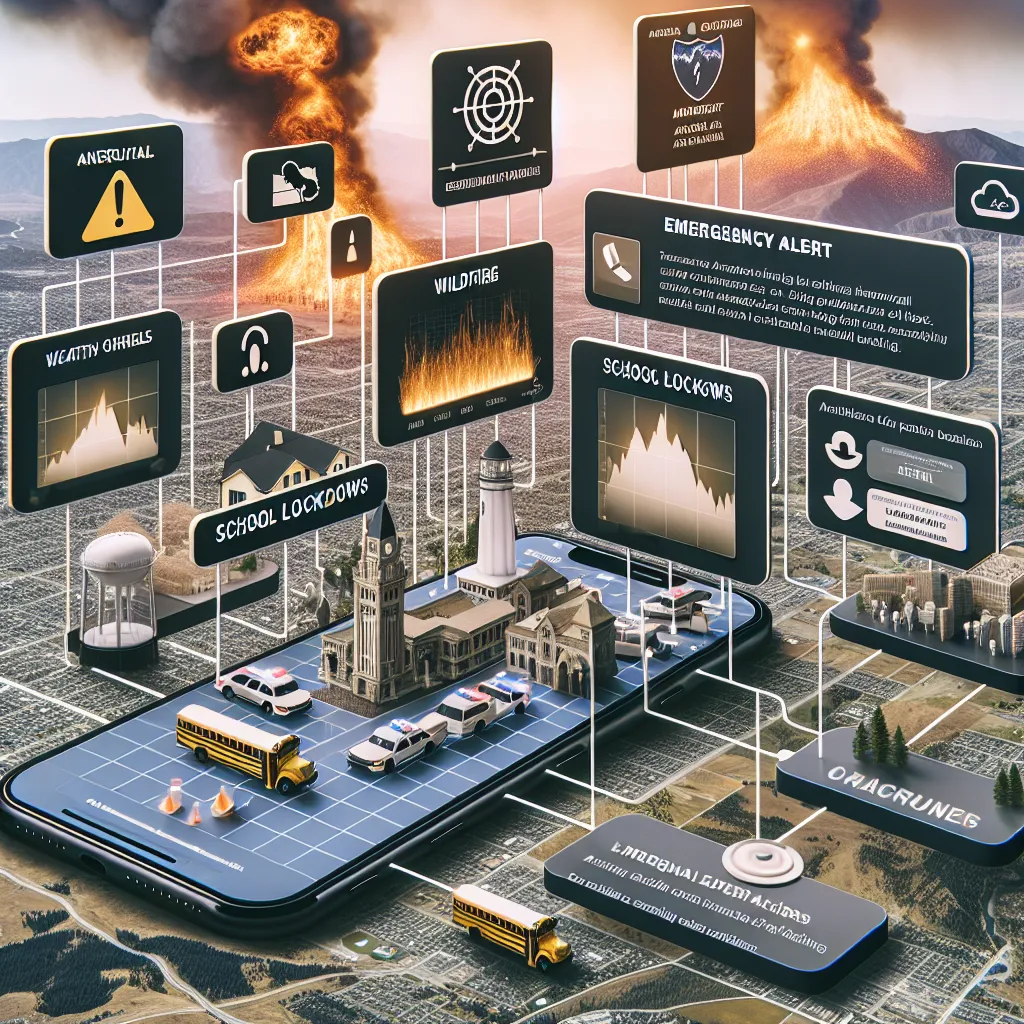
Public broadcasters have long been the backbone of emergency alert systems across the U.S., especially in rural areas with limited cell service or internet. But with the defunding of PBS/NPR, those channels are drying up—leaving communities without reliable warning systems for weather events, school lockdowns, or wildfires. A novel startup could step in with a mobile-first, geo-targeted emergency alert network driven by local data sources and verified community partners. Residents opt in via app, text, or email and receive localized, real-time updates during crises. The backend integrates with municipal feeds, police scanners, school boards, and weather APIs, and even allows manual input from vetted sources. For example, in a wildfire-prone area of Northern California, a school district and fire department could use the platform to jointly push evacuation alerts, road closures, and school status updates to 10,000 residents in minutes—replacing what local radio once did. In the age of decentralization, alert systems must modernize fast.
Description
No additional description provided.
The Pitch
In the United States, public broadcasters have historically played a crucial role in providing emergency alerts, particularly in rural areas where cell service and internet connectivity are limited. However, recent defunding trends impacting PBS and NPR have decreased the efficacy and availability of these channels. As a result, many communities are now devoid of reliable systems to disseminate critical warnings related to weather events, school emergencies, wildfires, and other local crises. This gap in service creates an urgent need for a modern, adaptable solution that can ensure the safety and preparedness of residents in these communities.
**Identifying the Problem**
Rural communities, already lacking in infrastructure, face heightened vulnerability without access to timely and reliable emergency alerts. Traditional methods such as local radio broadcasts or television updates are no longer sufficient or operational in many areas. These communities require an alternative that:
- Provides reliable, real-time alerts - Operates independently of conventional broadcast methods - Is accessible to all residents, regardless of technological capability or connectivity - Can be easily managed and utilized by local authorities and community leaders
**Proposed Solution**
Introducing a mobile-first, geo-targeted emergency alert network that leverages modern technology while incorporating local data sources and trusted community partners. This platform aims to offer a comprehensive and accessible alert system where residents can opt-in to receive vital updates during crises via mobile app, text message, or email.
**Product Details**
1. **User Interface (UI):** A user-friendly app and interface where residents can sign up, choose notification preferences, and view alerts in real time.
2. **Data Integration:** The backend seamlessly integrates with various local and national data feeds, including municipal databases, police and emergency services, school boards, and weather information APIs.
3. **Community Partnership:** Enables manual input of alerts by verified sources such as local authorities, community leaders, and emergency services to ensure the accuracy and relevance of alerts.
4. **Localization and Targeting:** Uses geo-targeting to ensure that alerts are localized and relevant to specific communities or regions, avoiding unnecessary or irrelevant notifications.
5. **Case Example:** In Northern California, prone to wildfires, the system could allow a school district and local fire departments to collaboratively issue evacuation notices, update road closure statuses, and communicate school operation changes to the community rapidly and effectively.
**Tools for MVP Launch**
1. **Development Frameworks:** Utilize tools such as React Native or Flutter to build a cross-platform mobile application quickly.
2. **Data Backend Solutions:** Platforms like Firebase for real-time data processing and notifications.
3. **APIs & Integrations:** Utilize public APIs for weather data and existing municipal databases for seamless integration.
4. **Verification Tools:** Employ systems for credential verification of message senders to maintain trust and integrity.
**Go-To-Market Strategy**
1. **Partnerships:** Forge alliances with local municipalities, schools, law enforcement, and emergency services to ensure data accuracy and build community trust.
2. **Community Engagement:** Conduct outreach programs in rural communities to demonstrate the system's benefits and educate residents on using the technology.
3. **Marketing Campaigns:** Employ targeted digital marketing strategies, including social media, to reach potential users while emphasizing safety and empowerment.
4. **Pilot Programs:** Initiate pilot programs in select rural communities to gather feedback and make necessary improvements before scaling.
**Business Model**
1. **Subscription-Based Service:** Offer subscription plans for local governments or community organizations keen on using the system, with tiered pricing based on population size and features.
2. **Freemium Model:** Provide basic features for free to individual users, with premium options available for enhanced functionalities or personalization.
3. **Funding and Grants:** Seek funding from federal and state disaster preparedness grants or private sector sponsorships invested in public safety and technology.
By modernizing emergency alert systems through a responsive, data-driven platform, this idea aims to enhance community safety in rural areas and beyond, ensuring timely and crucial information reaches those who need it most.