ModelSwap: Dynamic LLM Router for Optimal Performance
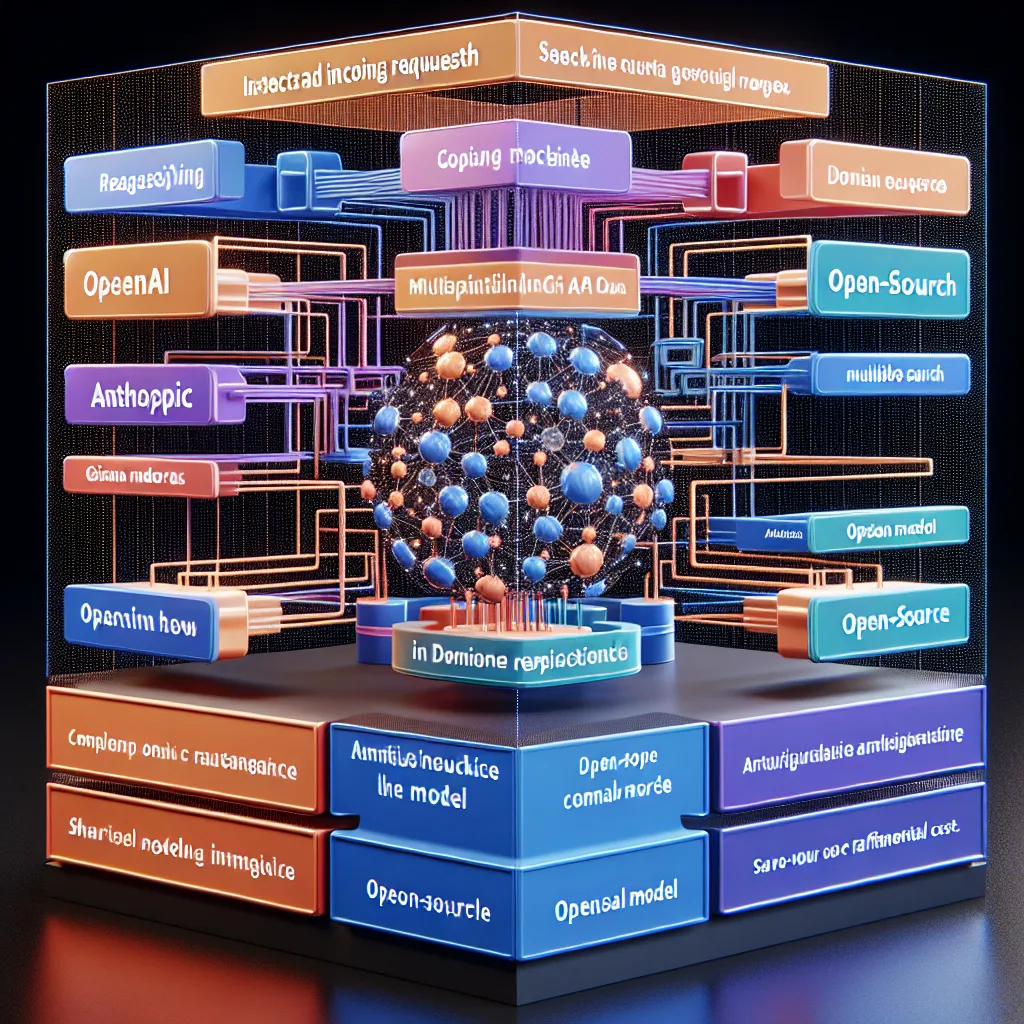
Right now, enterprises manually decide which LLM to use — and it’s always wrong. ModelSwap is a dynamic router that inspects every incoming request and chooses the best model (Anthropic, OpenAI, Google, open-source, or internal) based on compliance, accuracy, latency, domain expertise, and cost. If Anthropic is strongest on reasoning, it chooses Anthropic. If Google is best on multilingual search, it chooses Google. If an open-source model is good enough, it saves the company 90%. As the LLM landscape consolidates around a few leaders but varies by capability, ModelSwap becomes the economic engine that makes multimodel AI viable. It’s Plaid, but for LLMs — a universal adapter that hides the fragmentation.
Description
No additional description provided.
The Pitch
In the rapidly evolving field of artificial intelligence, enterprises face significant challenges when selecting language models to address diverse tasks. The decision-making process has often been manual and fraught with inefficiencies, leading to suboptimal outcomes. This overview outlines the concept and potential deployment of a solution designed to automate and optimize model selection, aimed at improving accuracy, compliance, and cost-effectiveness.
Background As the landscape of large language models (LLMs) continues to grow, businesses are inundated with choices, including models from Anthropic, OpenAI, Google, various open-source options, or even internal solutions. Each model has strengths in specific areas, such as reasoning, multilingual search, or domain expertise. However, the manual selection process often leads enterprises to make incorrect choices, resulting in increased costs and decreased performance.
Problem The challenge lies in navigating the fragmented LLM environment to choose the most suitable model for each specific task. The difficulty in accurately determining which model best meets criteria such as compliance, accuracy, latency, domain expertise, and cost often results in inefficient use of resources and reduced overall performance.
Solution ModelSwap offers a comprehensive solution to this problem by serving as a dynamic router for enterprises. It evaluates each incoming request and intelligently selects the most appropriate LLM based on predefined criteria. This approach ensures that the best-performing model is employed for each task, enhancing efficiency and outcomes. By automatically choosing models based on their strengths, ModelSwap can significantly reduce costs, optimize performance, and streamline operations.
Product Details ModelSwap functions as a universal adapter, integrating seamlessly with existing enterprise infrastructure. Key features include:
- Dynamic Routing: Automatically selects the optimal model for each request. - Customizable Criteria: Allows enterprises to set priorities such as compliance, cost, or domain expertise. - Cost Efficiency: By leveraging open-source models where feasible, it minimizes expenses. - Scalability: Designed to adapt as the LLM landscape evolves, ensuring long-term viability.
Tools for MVP Launch To facilitate the development of a minimum viable product, consider employing the following tools:
- Cloud Platforms: Use providers like AWS, Google Cloud, or Azure for scalable computing resources. - API Management: Implement APIs for seamless integration with enterprise systems. - Monitoring Tools: Utilize platforms like Prometheus or Grafana for real-time performance tracking. - Model Evaluation Frameworks: Employ tools such as Hugging Face's Transformers for quick model assessments.
Go-to-Market Strategy An effective GTM strategy will be pivotal in reaching target markets:
- Target Customer Segments: Focus on enterprises struggling with LLM deployment and optimization. - Partnership Development: Collaborate with leading LLM providers to ensure broad model access. - Thought Leadership: Establish credibility through content marketing, webinars, and industry events. - Pilot Programs: Offer pilot implementations to showcase the benefits and drive adoption.
Business Model ModelSwap can operate under several monetization strategies:
- Subscription Model: Charge a recurring fee based on usage or enterprise size. - Licensing Model: License the technology to enterprises for in-house deployment. - Freemium Model: Provide basic functionality for free, with premium features available for a fee.
Conclusion The development and implementation of ModelSwap present a compelling opportunity for those interested in revolutionizing model selection and optimization in the AI domain. By addressing existing challenges and leveraging advanced technologies, ModelSwap has the potential to become an essential tool for enterprises seeking to harness the full potential of LLMs efficiently and cost-effectively.