Mobile Stroke Hubs: Rapid On-Site Intervention
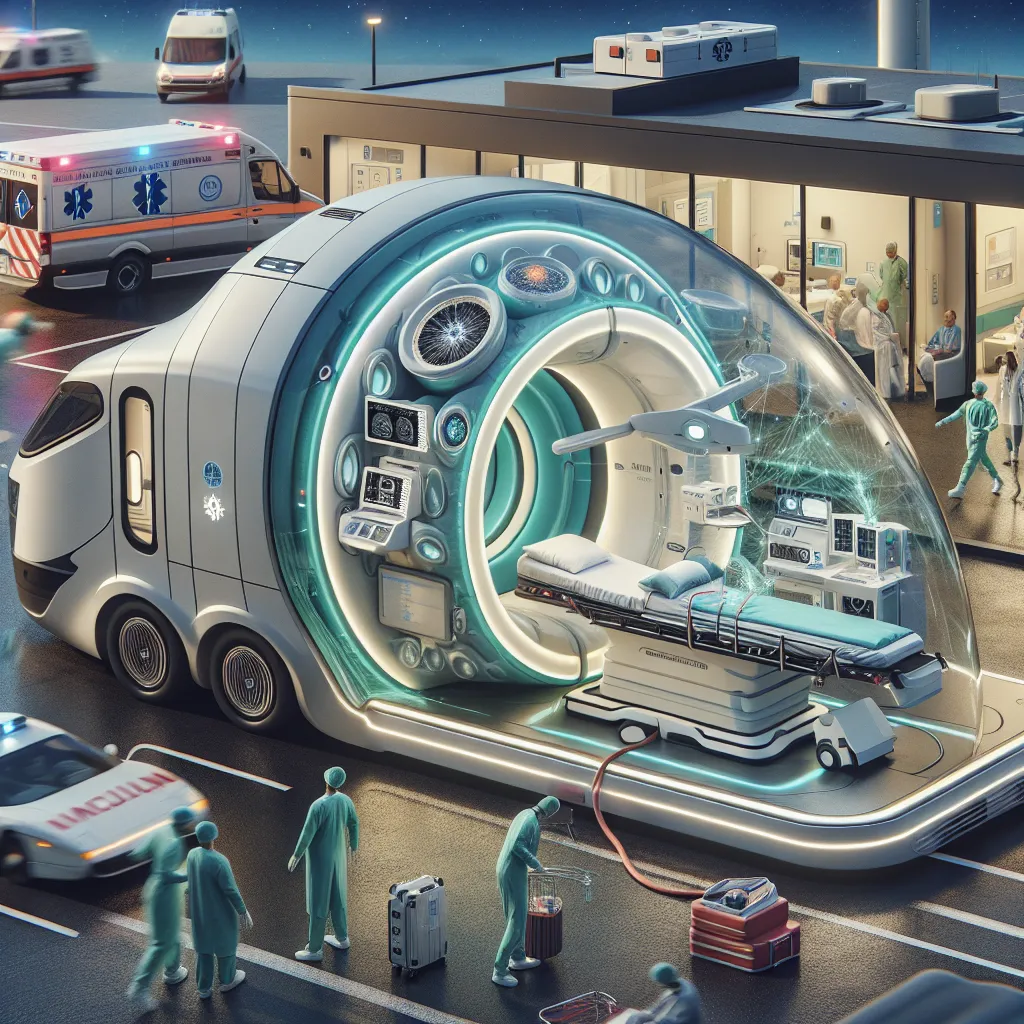
Most stroke deaths happen not because treatment fails, but because it arrives too late. Small towns and suburban hospitals can’t afford full interventional suites, so patients are left waiting hours for transfer. Mobile stroke hubs solve this by bringing a compact imaging and access unit directly to the patient—essentially a catheter lab on wheels. The hub performs initial imaging, establishes arterial access, and connects in seconds to a remote robotic specialist who completes the thrombectomy from afar. Advances in portable CT scanners, secure 5G/6G connectivity, and minimally invasive robotics make this feasible for the first time. Instead of waiting for a helicopter, the hospital dispatches a mobile hub that meets the ambulance en route. In 30 minutes, a clot that once would’ve meant lifelong disability is cleared while the patient is still parked outside their local clinic.
Description
No additional description provided.
The Pitch
Stroke remains one of the leading causes of death and long-term disability worldwide. The disparity in survival and recovery rates can often be attributed to the time to treatment gap prevalent in smaller towns and suburban hospitals. These facilities frequently lack the necessary infrastructure and specialized personnel to manage acute stroke cases, resulting in critical delays as patients await transfer to better-equipped urban centers.
**The Problem**
The fundamental challenge in stroke treatment is the time-sensitive nature of intervention. Traditional interventional suites and specialized stroke teams are predominantly housed in urban hospitals, making rapid treatment inaccessible for those in remote or underserved areas. This delay in receiving appropriate care exacerbates neurological damage, ultimately impacting patient outcomes and recovery prospects.
**The Solution**
Mobile Stroke Hubs present an innovative solution by eliminating transportation delays and bringing critical care directly to the patient's location. These units offer a compact, fully-equipped imaging and procedural platform, essentially functioning as a catheterization laboratory on wheels. The mobile hub is designed to provide immediate advanced imaging, establish arterial access, and facilitate remote intervention by a stroke specialist leveraging cutting-edge robotics and telemedicine.
**Product Details**
The Mobile Stroke Hub features the following key components:
1. **Portable Imaging Technology**: Advances in compact CT scanners allow for on-site brain imaging to assess stroke type and severity immediately upon arrival.
2. **High-Speed Connectivity**: Using secure 5G/6G networks, the hub seamlessly transmits imaging data to specialized centers where remote experts can make timely decisions.
3. **Robotic Thrombectomy Tools**: Minimally invasive robotic technology enables a specialist to perform a thrombectomy remotely, manipulating tools with precision from a distant location.
4. **Mobile Access and Preparation Station**: Medical personnel within the hub initiate patient preparation and maintain vital support until the thrombectomy is completed by remote operation.
**Tools for MVP Launch**
Launching the Mobile Stroke Hub as a minimum viable product (MVP) involves:
- **Hardware Partnerships**: Collaborating with manufacturers of portable imaging systems, telecommunications companies, and robotics developers.
- **Prototyping Platforms**: Utilizing rapid prototyping and adaptive design methods to refine the unit's functionality and user interface.
- **Pilot Testing**: Deploying units in select regions to gather data on efficacy, workflow optimization, and necessary adaptations.
- **Regulatory Compliance**: Engaging with health regulation bodies for necessary approvals and certifications.
**Go-To-Market Strategy (GTM)**
1. **Strategic Partnerships**: Form alliances with regional healthcare providers, ambulance services, and telemedicine companies to create an integrated care network.
2. **Education and Training**: Develop comprehensive training programs for medical personnel on using and coordinating with the Mobile Stroke Hub.
3. **Awareness Campaigns**: Implement targeted campaigns to educate potential clients and stakeholders about the benefits of mobile stroke interventions in improving patient outcomes.
4. **Feedback and Iteration**: Encourage feedback from early adopters to refine the product and adjust marketing strategies accordingly.
**Business Model**
- **Lease-Based Revenue Model**: Offer leasing options for hospitals and healthcare networks, allowing flexible terms for utilizing the Mobile Stroke Hubs without the burden of ownership costs.
- **Service and Maintenance Packages**: Provide comprehensive support and maintenance services to ensure operational reliability and efficiency.
- **Collaborative Funding Models**: Work with public health agencies and non-profit organizations to subsidize deployment in underserved areas, ensuring wide accessibility.
By addressing the critical time-to-treatment gap in stroke care, Mobile Stroke Hubs have the potential to save countless lives and significantly reduce long-term disabilities resulting from strokes. With appropriate execution and strategic alignment, this innovative solution can become a cornerstone in modern stroke management, particularly in areas that currently face accessibility challenges.