Mobile STEM Labs Bring Experiments to Schools
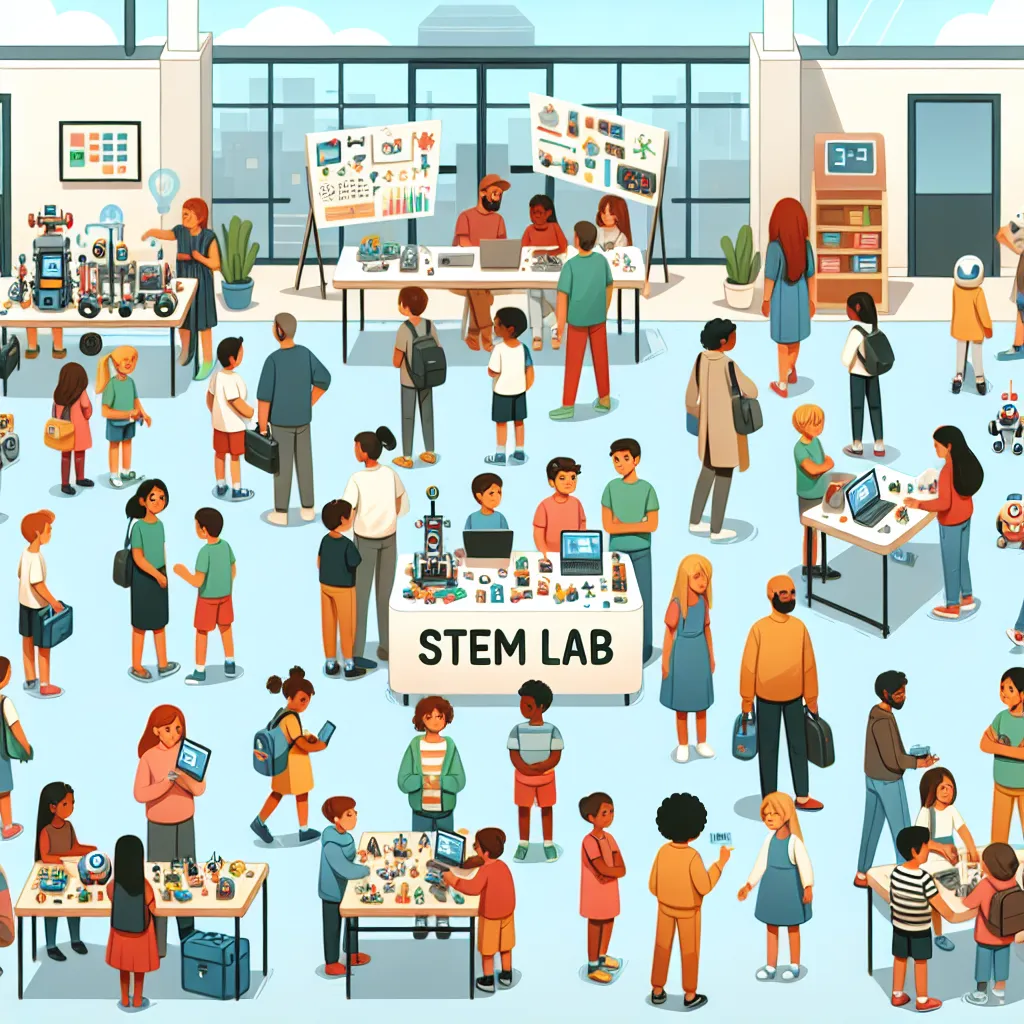
Schools want more STEM exposure but lack resources. This startup runs pop-up labs in gyms or libraries, complete with experiments, robotics kits, and part-time mentors. Trend: STEM enrichment is growing in demand. Example: a rural school hosts a 2-day lab. Kids build small robots, code simple programs, and parents subscribe to monthly sessions.
Description
No additional description provided.
The Pitch
Across the globe, educational institutions are increasingly recognizing the importance of STEM (Science, Technology, Engineering, Mathematics) education. However, many schools, particularly those in rural or under-resourced areas, struggle to provide adequate STEM exposure due to financial constraints and limited access to trained personnel or equipment. This initiative aims to address this gap by bringing STEM education directly to schools through mobile pop-up labs.
Backstory
As the demand for STEM-related skills grows in the modern economy, educators seek innovative ways to integrate STEM learning into their curricula. However, many schools lack the resources to establish permanent STEM programs or labs. Recognizing this challenge, our solution focuses on creating temporary, fully equipped, and interactive STEM environments that can easily be set up in versatile spaces such as gyms or libraries.
The Problem
1. Insufficient funding and resources prevent schools from building permanent STEM facilities. 2. Lack of access to qualified STEM educators means fewer learning opportunities for students. 3. Disparity in STEM education between urban and rural schools creates educational inequities. 4. Curriculum constraints make it difficult for schools to develop and implement comprehensive STEM programs.
The Solution
Our startup addresses these issues by providing mobile pop-up STEM labs that transform existing school spaces into interactive learning environments. These labs:
1. Include all necessary equipment, from experimental kits to robotics sets. 2. Feature flexible learning modules tailored to different age group needs. 3. Employ part-time mentors and educators who specialize in STEM fields. 4. Offer adaptive scheduling options to coordinate with school calendars and other activities.
Product Details
Each pop-up lab is designed with the following features:
- Modular Experiments: A range of hands-on experiments that align with national STEM standards. - Robotics Kits: Equipment that enables students to build and program their own simple robots. - Coding Workshops: Sessions where students can learn the basics of programming through games and interactive projects. - Mentorship: A team of part-time educators guides students, ensuring personalized learning experiences. - Portable Design: Labs can be set up and dismantled easily in spaces like gyms or libraries within a day.
Tools for Easy MVP Launch
1. Partnership with STEM kit providers for affordable and quality equipment. 2. Network with local universities and tech firms to recruit mentors and volunteers. 3. Develop a scalable platform for managing bookings, tracking equipment, and coordinating mentors. 4. Pilot programs in a small number of schools to refine the concept and gather feedback.
Go-To-Market Strategy
1. Target Market: Focus initially on rural and under-resourced schools that lack STEM infrastructure. 2. Educational Partnerships: Collaborate with school districts and educational bodies to ensure curriculum alignment and gain endorsement. 3. Community Engagement: Host informational sessions for parents and educators to illustrate the benefits of the STEM labs. 4. Marketing Channels: Use social media and educational publications to showcase success stories and testimonials from participating schools.
Business Model
1. Subscription-Based: Schools subscribe to monthly or quarterly lab sessions, allowing them to allocate budgets more effectively. 2. Sponsorship Opportunities: Engage local businesses and tech companies to sponsor sessions, offsetting costs for schools. 3. Custom Packages: Offer tailored packages based on school needs, from one-time events to ongoing programs. 4. Grant Applications: Assist schools with grant writing and applications to secure additional funding for STEM education.
Conclusion
By delivering quality STEM experiences directly to schools, this initiative empowers educational institutions to bridge the gap in STEM education, fostering a new generation of innovators and problem-solvers. Through strategic partnerships and a sustainable business model, the mobile STEM labs can become a pivotal force in transforming how STEM is taught across diverse communities.