Mobile Medicaid Navigator Help Desk Initiative
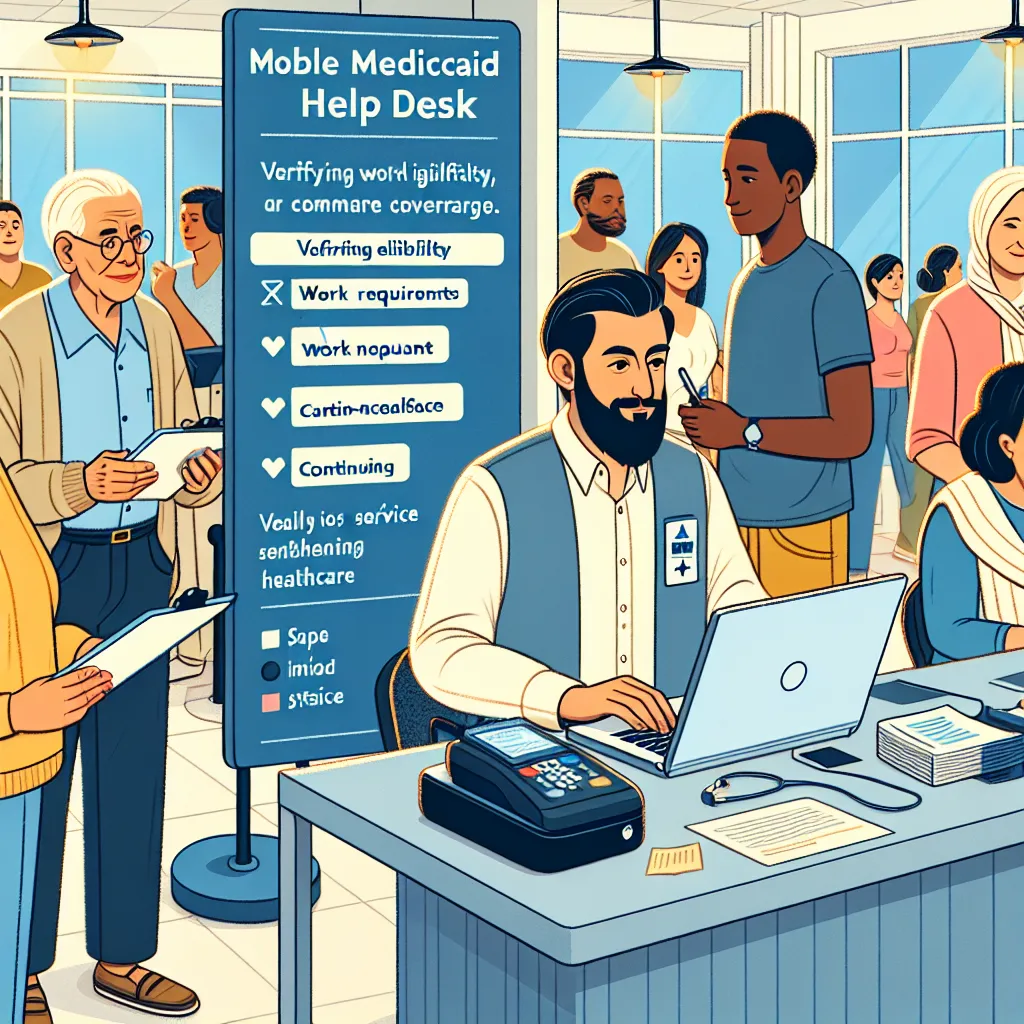
With new Medicaid work requirements and biannual eligibility checks now law, millions of low-income Americans are at risk of losing their healthcare coverage simply because they don’t understand the paperwork or don’t have easy access to online systems. State agencies and clinics are overwhelmed, and there’s a growing gap between those who qualify for benefits and those who can actually navigate the system. A fast, low-capital business opportunity is to launch a mobile Medicaid Navigator Help Desk—think of it like a pop-up tax prep stand, but for public health benefits. Using just a laptop, portable scanner, and internet connection, anyone can set up at local churches, libraries, community centers, or even grocery store parking lots to help people verify eligibility, submit work requirements, and keep their coverage. You can charge a small fee per person helped, or partner with nonprofits and local clinics that pay you per verified enrollment or completed form. For example, someone could set up outside a food pantry in Ohio and help 20 people in an afternoon—earning $300+ in one day, while providing an urgently needed service. As policy creates complexity, trust and convenience become highly monetizable—making this a rare win-win opportunity.
Description
No additional description provided.
The Pitch
In the face of updated Medicaid legislation, new work requirements and biannual eligibility checks are complicating access to essential healthcare for millions of low-income Americans. This change is creating a significant divide between individuals who qualify for Medicaid and those who can maintain their coverage due to challenges in navigating the system. State agencies and clinics are overwhelmed, leading to a dire need for accessible assistance in managing Medicaid-related paperwork and processes.
#### The Problem
The primary issue is the complexity and inaccessibility of Medicaid eligibility maintenance. Many individuals lack awareness or access to necessary online systems and documents required to comply with new regulations. Current support structures are overburdened and cannot meet the rising demand for help, risking the loss of healthcare coverage for many eligible recipients.
#### The Solution
The proposed solution is a Mobile Medicaid Navigator Help Desk—a portable service station that assists people in understanding and completing Medicaid paperwork. Designed to be flexible and accessible, these help desks can be set up in various community locations such as churches, libraries, community centers, and supermarket parking lots, providing personal and direct assistance where people need it most. The services offered include verifying eligibility, submitting necessary documents, and guiding individuals through the paperwork process to maintain their healthcare coverage.
#### Product Details
- **Equipment Needed:** - Laptop with internet access - Portable scanner for document handling - Basic office supplies
- **Services Offered:** - Medicaid eligibility verification - Document submission assistance - Educational support on compliance with new regulations
#### Launch Toolkit
To facilitate the launch as a Minimum Viable Product (MVP), the following tools and resources are recommended:
- Use a reliable laptop and portable scanner. - Establish internet access via portable Wi-Fi or mobile hotspots. - Develop a simple website or digital form for scheduling appointments and service tracking. - Create informational brochures and digital resources in multiple languages for community distribution. - Partner with local organizations for promotion and service location access.
#### Go-To-Market (GTM) Strategy
1. **Identify Key Locations:** - Target high-traffic areas serving low-income communities, like food pantries and public libraries.
2. **Engage Community Partners:** - Build relationships with local clinics, nonprofit organizations, and community centers to collaborate on service delivery.
3. **Promotional Efforts:** - Utilize local media, community boards, and social media platforms to create awareness about the help desk services. - Host informational sessions or workshops in collaboration with community partners.
#### Business Model
- **Revenue Streams:** - Charge a modest fee per assistance session. - Establish partnerships with nonprofits or clinics to receive compensation for successful verifications or form completions. - Explore grant opportunities for community service initiatives.
- **Cost Structure:** - Initial investment in equipment (laptop, scanner) - Minimal ongoing costs include internet service and marketing materials.
- **Scalability Options:** - Train local volunteers or hire staff to expand service reach. - Develop partnerships with chain stores for multi-location setups.
In essence, this initiative not only addresses an underserved need but also creates a financially sustainable model by blending individual fees with organizational partnerships. The approach leverages convenience and trust, making the most of policy-induced complexity to offer a timely and impactful service to low-income communities.