Mobile ICU Units Using Gene-Edited Pig Livers
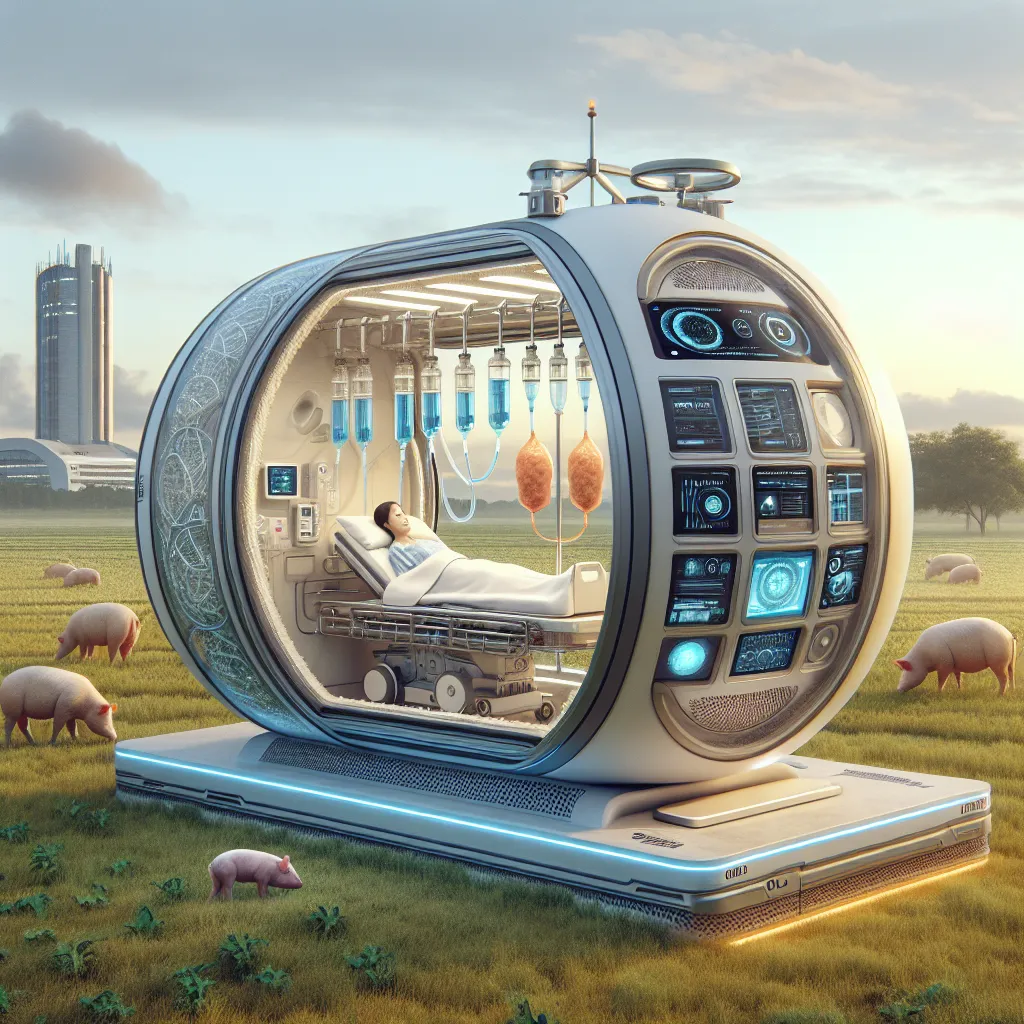
Thousands of patients die each year from sudden liver failure because most hospitals aren’t equipped with transplant capabilities or new regenerative tech. Emergency Organ Rest Units are mobile ICU modules outfitted with gene-edited pig liver filtration systems that can be rapidly deployed to stabilize patients and give their own livers a chance to heal. This is timely because the FDA just approved the first clinical trial using this technique, but widespread infrastructure to deliver it doesn’t yet exist. For example, a regional hospital could request an EORU when a patient qualifies, allowing care to begin within hours instead of waiting for a transplant that may never come.
Description
No additional description provided.
The Pitch
Liver failure is a critical condition that claims thousands of lives each year. Many hospitals lack the necessary infrastructure to perform liver transplants or to implement cutting-edge regenerative technologies. This critical gap in healthcare services has prompted the development of a pioneering solution called the Emergency Organ Rest Units (EORU). These are specialized mobile ICU modules equipped with innovative gene-edited pig liver filtration systems. EORUs allow for rapid deployment and stabilization of patients experiencing sudden liver failure, offering a unique lifeline and a chance for their own livers to heal naturally.
Context and Problem Statement:
The pressing issue in treating liver failure is the deficiency in available liver transplants or advanced regenerative solutions in most medical facilities. Although medical advancements are promising—evidenced by the FDA's recent approval of a clinical trial utilizing pig liver filtration systems—there remains a significant gap in the actual delivery of these treatments. The lack of scalable infrastructure prevents many patients from accessing timely care, leaving them to rely solely on limited transplant availability, which may never happen for some.
Innovative Solution:
The introduction of Emergency Organ Rest Units addresses this urgent need by transforming the way liver failure is managed. These mobile units are designed to be state-of-the-art ICUs that can be dispatched to hospitals upon request. Once deployed, the units employ gene-edited pig liver filtration systems that help stabilize patients, effectively offering an interim solution that sustains liver function while the patient’s own liver recuperates. This technology opens up new possibilities in liver care, alleviating the dependency on transplants.
Product Details:
Emergency Organ Rest Units are compact, portable modules equipped with the latest medical technology. They are capable of operating autonomously and include:
- An advanced filtration system using gene-edited pig liver tissue - State-of-the-art ICU facilities for comprehensive patient care - Remote monitoring and diagnostic capabilities to ensure optimal operation - Easy setup and integration with hospital infrastructures
Tools to Facilitate Launch:
To create and launch an MVP for the EORUs, consider utilizing the following tools and strategies:
- Partner with biotech firms for access to gene-editing technologies and development. - Collaborate with medical equipment manufacturers to design the modular ICU units. - Engage with healthcare logistics companies for efficient deployment mechanisms. - Use cloud-based platforms for system monitoring and data sharing. - Leverage crowdfunding and grants to support initial development and testing phases.
Go-to-Market Strategy:
The success of the EORUs depends on a strategic approach to market entry:
- Target regional hospitals initially, focusing on areas with a high incidence of liver failure but limited access to transplant infrastructure. - Build partnerships with healthcare providers and government health agencies to accelerate adoption. - Develop a network of trained specialists who can operate and maintain the units on-site. - Launch educational campaigns to raise awareness among healthcare professionals and patients about the advantages of EORUs.
Business Model:
The business model for EORUs can be structured around a leasing or subscription model, allowing hospitals to utilize the units without the burden of significant upfront investment. This model can include:
- Monthly or bi-monthly leasing options for hospitals, with maintenance and support embedded in the package - Pay-per-use for hospitals needing occasional deployment, ensuring cost-effectiveness - Collaborations with insurance companies to integrate EORU services into health coverage plans
By offering a sustainable and scalable solution, the Emergency Organ Rest Units represent a game-changing innovation in addressing the critical needs of liver failure patients. The combination of cutting-edge technology and strategic deployment forms the backbone of this initiative, promising to save lives and revolutionize liver failure treatment across the globe.