Mobile App Cross-Platform Conversion Tool
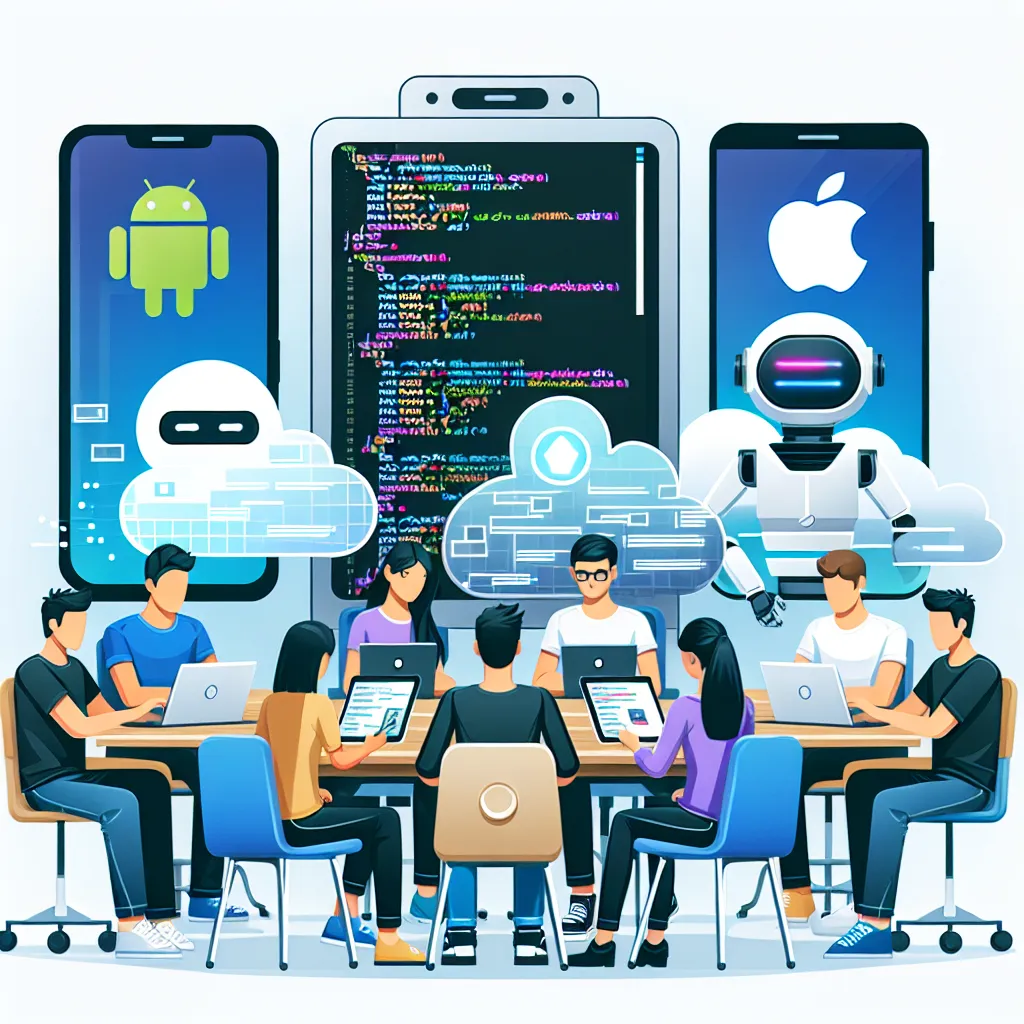
Mobile app developers often face a costly and time-consuming challenge: building and maintaining separate codebases for iOS and Android. As explained, “Every time you build a feature you have to build it twice... it cost us tens of thousands.” Many startups prioritize iOS first for polish, but growing demand from Android users forces them to split resources. The proposed solution is a system where a developer uploads a native project (e.g. Swift), and an AI-driven tool converts it into the equivalent Android version—and vice versa. “AI can probably do 90% of the work... maybe it’s best done as an agency right now, but very soon an AI agent can do it all.” This would dramatically reduce dev time and costs, helping early-stage apps scale across platforms. Though early dev tools exist, no solution currently offers seamless cross-platform conversion for native mobile apps.
Description
No additional description provided.
The Pitch
The burgeoning market for mobile applications presents lucrative opportunities for developers. Currently, mobile app developers often grapple with the necessity of maintaining dual codebases for iOS and Android platforms. This document outlines a proposed solution to this industry-wide issue, tailored to attract and inform developers eager to streamline their coding process and reduce development costs.
**Backstory: The Dual Development Dilemma**
Developing and maintaining apps for both iOS and Android is a resource-intensive process. Developers must either build and update two separate sets of code or use third-party platforms which might not exploit each platform's unique features optimally. Given that many startups initially focus on iOS to leverage its revenue-generating potential, they later face increased pressure to also cater to Android's vast user base. This diversion of resources early in a product's lifecycle can impede a startup's ability to scale and innovate efficiently.
**Problem: High Costs and Inefficiencies**
The dual development approach inevitably leads to increased costs—often amounting to tens of thousands of dollars—as features need to be developed twice, once for each platform. Additionally, this approach dilutes the focus and efforts of the development team, potentially leading to delayed releases and suboptimal features on one or both platforms.
**Solution: AI-Powered Cross-Platform Conversion**
The proposed solution is an AI-powered platform that enables developers to automatically convert their native applications from iOS to Android and vice versa. By uploading their existing native code in one language (e.g., Swift for iOS), the platform's AI algorithms will generate the equivalent code for the other platform (e.g., Kotlin for Android). This conversion covers up to 90% of the standard functionalities, drastically reducing the time and expense needed for cross-platform development.
**Product Details:**
- **AI Conversion Engine:** Utilizes advanced AI and machine learning algorithms to analyze and translate code effectively between iOS and Android. - **User Interface:** Simple, intuitive UI that allows easy upload and management of codebases. - **Integration Tools:** Offers integration capabilities with popular development tools and repositories like GitHub for seamless workflow.
**Tools for MVP Launch:**
- **Cloud-Based Development Platforms:** Utilize platforms like Amazon Web Services or Google Cloud to host the service, ensuring scalability and reliability. - **Open-Source Libraries:** Leverage existing open-source frameworks to handle basic conversion scenarios before layering on proprietary AI algorithms. - **Analytics Tools:** Implement analytics to track usage, performance, and user feedback for continuous improvement.
**Go-To-Market (GTM) Strategy:**
1. **Target Market Identification:** Focus initially on individual developers and small startups. 2. **Content Marketing:** Leverage blogs, webinars, and tutorials highlighting time and cost benefits. 3. **Partnerships:** Collaborate with coding bootcamps and educational institutions. 4. **Beta Program:** Launch a beta test with select early users to refine the tool based on real-world usage.
**Business Model:**
- **Subscription-Based:** Monthly or annual subscriptions with different tiers based on usage levels and feature access. - **Freemium Model:** Basic free version with essential features and premium upgrades for advanced functionalities. - **Enterprise Solutions:** Custom solutions for larger organizations needing extensive integration and support.
---
**Conclusion:**
This solution aims to democratize mobile app development, allowing developers to rapidly deploy and scale applications across platforms without compromising on quality or performance. By reducing the barriers associated with cross-platform mobile development, this tool can help unleash the full potential of mobile software innovation.