Mid-Tier Rucking Gear Brand
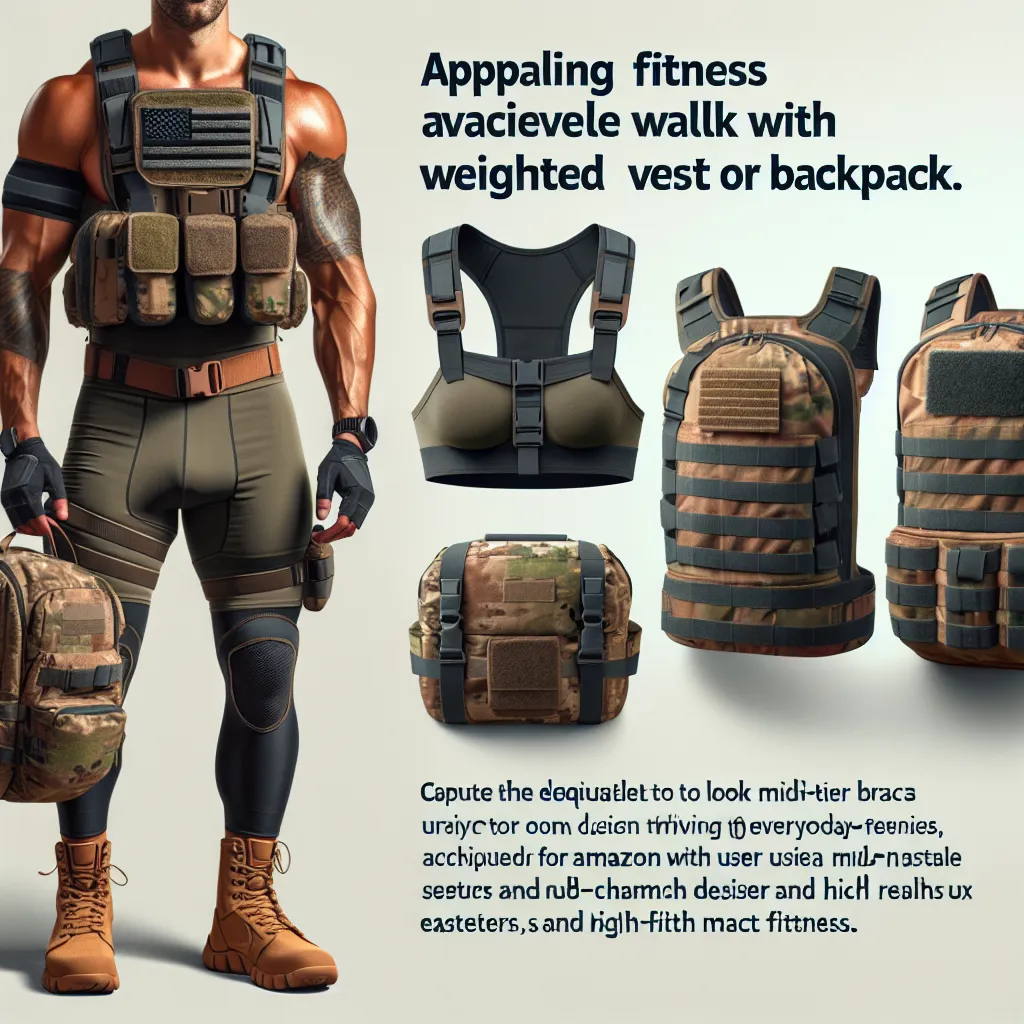
Rucking—walking with a weighted vest or backpack—is becoming a mainstream fitness trend, praised for its low barrier to entry and high health impact. But the leading brand, GoRuck, sells gear at premium prices ($420+ for a backpack), targeting hardcore enthusiasts. This creates a clear gap for everyday fitness seekers looking for a functional, more affordable alternative. The problem: people want to try rucking but are turned off by the price and military-style aesthetics. The solution is a cost-effective, approachable rucking gear line—think “the Echelon to Peloton” model. As the transcript said: “GoRuck doing over $50M... I’d try to build the Walmart Ruck brand.” Just like Echelon undercut Peloton and thrived at Costco, a mid-tier ruck gear company could dominate retail and Amazon with user-friendly design and sub-$100 products. The demand is real; the mass-market brand just doesn’t exist yet.
Description
No additional description provided.
The Pitch
Despite the growing popularity of rucking—a fitness activity involving walking with weighted vests or backpacks—the market has a significant gap. The leading brand, GoRuck, caters mostly to hardcore enthusiasts with high-priced, military-styled gear. This document proposes the launch of a new brand that offers functional, affordable rucking gear tailored to everyday fitness enthusiasts. Using a business model similar to that of Echelon’s approach to undercutting Peloton, this brand aims to thrive by tapping into the untapped mid-tier market segment.
**The Opportunity:** Rucking has emerged as a fitness trend with a low barrier to entry and significant health benefits. However, potential customers are discouraged by the high prices and the overly robust aesthetics of the current market leaders' products. There lies an opportunity to introduce a product line that is accessible in price and design, appealing to a broader demographic.
**Market Analysis:** - **Target Audience:** Individuals looking for budget-friendly fitness options, new ruckers, casual fitness enthusiasts, and potentially young professionals. - **Competitor Analysis:** The primary competitor, GoRuck, dominates with premium pricing. There are few other notable brands, leaving space for a mid-tier market leader. - **Market Demand:** Based on social media trends and online community feedback, there is a noticeable demand for more accessible rucking gear.
**The Product:** - **Design Philosophy:** User-friendly, simplistic, and functional design. Avoid overtly military aesthetics to appeal to a broader customer base. - **Product Line:** Initially, a range of rucking backpacks and weighted vests, with expansion potential into accessories such as hydration packs, customizable weight plates, and rucking-specific apparel. - **Pricing Strategy:** All main products will be priced under $100 to maintain affordability and attract the mid-market consumer.
**Minimum Viable Product (MVP):** - **Initial Product:** A versatile lightweight rucking backpack priced around $79.99. - **Features:** Durable material, adjustable straps, ergonomic fit, and an integrated compartment for weights. - **Production Tools:** Prototype creation through services like Alibaba or local manufacturers to keep upfront costs low. - **Validation:** Utilize small batch releases and direct feedback mechanisms via early adopters picked from fitness forums and social media platforms.
**Go-to-Market Strategy:** - **Online Launch:** Begin with direct-to-consumer sales through an e-commerce platform, supplemented by strong presences on Amazon and possibly eBay. - **Retail Partnerships:** Establish partnerships with big-box retailers such as Walmart and Costco, drawing on the Echelon model, to reach a wider audience. - **Marketing Campaign:** Use social media promotion, influencers in the fitness community, and targeted ads to create brand awareness and engagement.
**Business Model:** - **Revenue Streams:** Direct sales, third-party marketplace sales, and eventual retail partnerships. - **Cost Structure:** Manage costs by establishing relationships with cost-effective suppliers, minimizing SKU variety initially, and focusing on online marketing. - **Financial Projections:** Break-even analysis, pricing strategy effectiveness, and ROI from marketing efforts will be monitored closely with quarterly reviews.
**Conclusion:** Launching a mid-tier rucking gear brand represents a significant market opportunity to fill an existing gap. With strategic pricing, targeted marketing, and a focus on accessibility, the proposed brand has the potential to capitalize on the trend of rucking and meet the needs of a broader consumer base seeking fitness solutions that are both effective and economical. The brand will initially focus on delivering a high-quality MVP to establish credibility and gauge user response, setting the stage for a broader product line and market expansion.