Microbial Power: Sustaining IoT Devices Naturally
Small IoT devices — from wildlife sensors to implanted trackers — are limited by battery life and need constant charging or replacement. But electricity-generating bacteria could change that. This startup turns newly optimized microbial energy systems into long-life, zero-maintenance power sources for low-power devices. These bacteria create electricity from organic material, and recent breakthroughs have improved output enough to power sensors or implants. Now’s the time to productize it. For example, a company places soil sensors in a rainforest to monitor climate over 10 years — all powered by microbes in the soil, with no batteries or solar panels needed. It’s living energy, designed for remote, sustainable tech.
Description
No additional description provided.
The Pitch
In recent years, the rapid growth of the Internet of Things (IoT) has transformed various industries, from environmental monitoring to healthcare. However, this proliferation of IoT devices has been hindered by a fundamental challenge: power supply. Traditional power sources like batteries require frequent recharging or replacement, making them cumbersome and environmentally unfriendly. Enter microbial energy systems, an emerging technology harnessing the power of electricity-generating bacteria. These microorganisms can create electricity from organic material, offering an innovative, sustainable solution to power low-energy IoT devices. With recent breakthroughs enhancing their electrical output, we are on the brink of revolutionizing how small devices operate in remote locations, enabling projects previously considered unfeasible.
**The Problem**
Current small IoT devices face significant limitations due to their reliance on conventional power sources. The issues are particularly acute in remote settings where devices like wildlife sensors, soil monitors, and implanted medical trackers require constant maintenance for battery replacement or solar panel upkeep. This limits their practicality and scalability, as frequent human intervention is neither cost-effective nor sustainable. The need for a long-lasting, maintenance-free power source is evident, motivating the exploration of alternative energy solutions.
**The Solution**
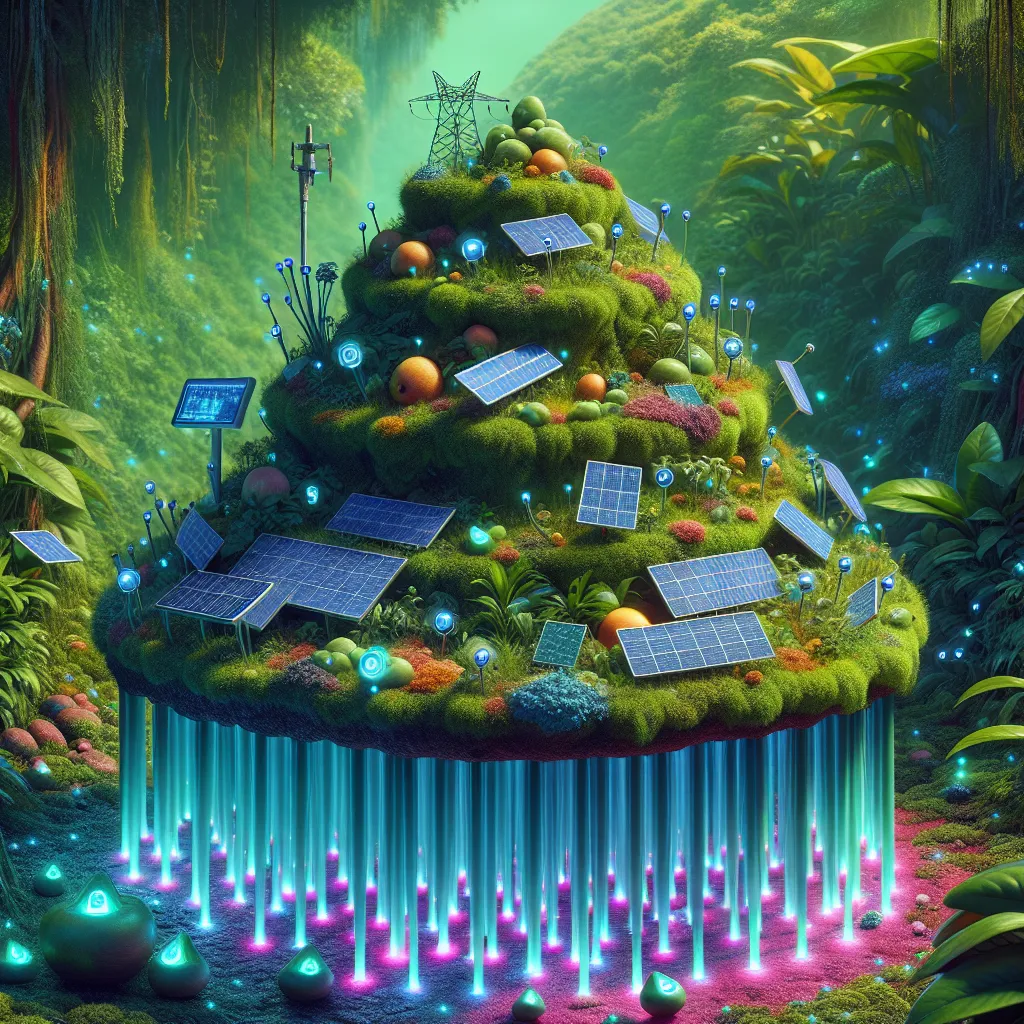
Our startup aims to bridge the gap by commercializing optimized microbial energy systems. By converting organic material into electricity, these bacteria offer a reliable, zero-maintenance power source. Our solution is particularly suited to environments rich in organic materials, such as soil, wetlands, and even inside the human body, where traditional renewable energy sources may falter. Imagine soil sensors deployed in rainforests to monitor environmental changes over a decade, all powered by these self-sustaining microorganisms. This living energy source vastly extends the operational lifespan of IoT devices, reducing the environmental and economic cost associated with power management.
**Product Details**
Our core product is a microbial energy module that can be integrated into low-power IoT devices. Key features include:
- Long-term Power Supply: Capable of continually powering devices for years without human intervention. - Compatibility: Designed to seamlessly integrate with a range of IoT sensors and trackers. - Environmentally Friendly: Zero emissions, leveraging naturally occurring bacteria to generate electricity. - Scalability: Easily adaptable to various device sizes and power requirements.
**Tools for Launch and MVP**
To rapidly bring this innovation to market, the following tools and strategies are recommended:
1. **Prototype Development**: Utilize platforms like Arduino or Raspberry Pi for initial device integration and testing. 2. **Data Analytics Software**: Employ services like AWS IoT or Azure IoT for data collection and monitoring. 3. **3D Printing**: Utilize 3D printing technology for rapid prototyping and iterations of the energy module casing. 4. **Collaborations**: Partner with research institutions for continued bacterial optimization and testing environments.
**Go-to-Market Strategy**
1. **Pilot Programs**: Launch pilot projects in sectors like agriculture and wildlife conservation to demonstrate effectiveness. 2. **Industry Partnerships**: Collaborate with IoT device manufacturers to embed our technology directly into their products. 3. **Educational Campaigns**: Raise awareness of microbial energy benefits through webinars, white papers, and seminars. 4. **Sustainability Certifications**: Obtain certifications highlighting the environmental benefits of using living energy sources.
**Business Model**
- **Product Sales**: Offer modular energy units for direct sale to IoT device manufacturers. - **Licensing**: License our microbial energy technology to companies looking to integrate sustainable power solutions. - **Subscription**: Implement a subscription model for ongoing support and updates for using our microbial power systems. - **Consulting Services**: Provide expertise and assistance in customizing and deploying our technology in specific applications.
By harnessing the power of electricity-generating bacteria, we offer a groundbreaking solution for powering IoT devices sustainably and efficiently, positioning our startup at the forefront of technological and environmental innovation.