Micro-Warehouses Revolutionize Mid-Size Brand Fulfillment
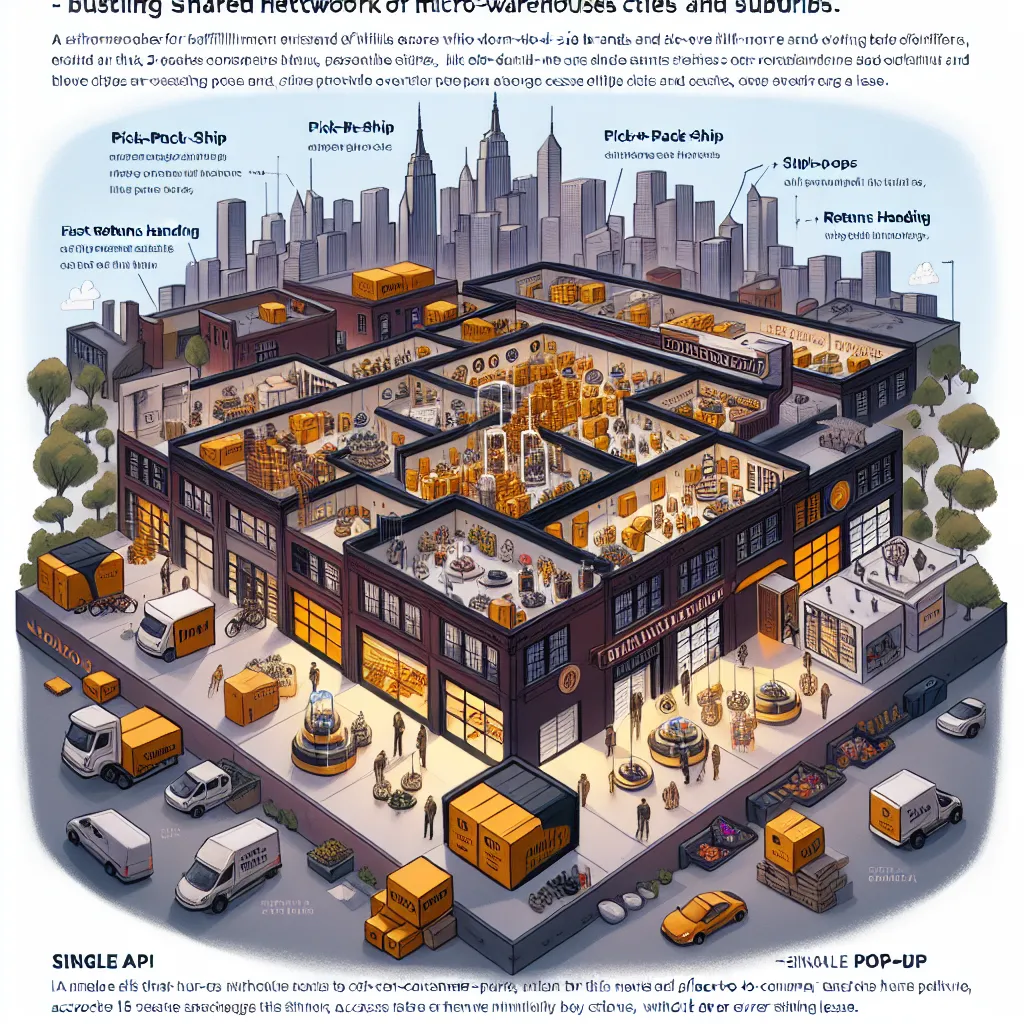
Mid-size brands want to offer same-day delivery, fast returns, and BOPIS-style convenience, but they don’t have the footprint or logistics muscle that big-box retailers are now converting into back-room fulfillment engines. The solution is a shared network of micro-warehouses—“dark hubs”—positioned in dense suburbs and cities, giving any brand instant access to pick-pack-ship, returns handling, inventory storage, and even modular pop-up space through a single API. This works now because major retailers have validated the fulfillment-first store model, commercial real estate has softened, and consumers expect speed from every brand, not just giants. A DTC shoe company could plug in and immediately offer 2-hour delivery in 15 cities, run seasonal pop-ups, and handle local returns—without ever signing a lease.
Description
No additional description provided.
The Pitch
In recent years, consumer expectations have evolved rapidly, with a significant shift towards speed, convenience, and seamless service in the retail sector. Many mid-size brands are finding themselves under increasing pressure to offer services such as same-day delivery, efficient returns management, and buy-online-pickup-in-store (BOPIS) style convenience. However, they often lack the extensive logistics infrastructure that large retailers have developed, which leaves them at a disadvantage. This document proposes a strategic approach to tackle these challenges, offering a compelling solution for mid-size brands to compete effectively.
Backstory:
Historically, large retail chains have held a dominant position due to their widespread footprint and robust logistics networks, enabling them to convert retail spaces into fulfillment centers. This transformation has allowed them to offer enhanced customer experiences in proximal delivery and efficient returns, setting a high standard in consumer expectations. Meanwhile, the commercial real estate market has experienced changes, with increased availability and varying costs as urban and suburban landscapes evolve. Mid-size brands, despite offering competitive products, struggle to meet these logistics demands due to limited resources.
Problem:
Mid-size brands face critical challenges in aligning their logistics capabilities with consumer demands. These challenges include:
- The inability to provide rapid delivery, such as same-day or two-hour delivery, which consumers have come to expect. - Limitations in offering flexible and convenient return processes that are straightforward for customers. - A lack of physical presence for services like BOPIS or seasonal pop-up spaces without substantial financial investment.
Solution:
The proposed solution is a shared network of micro-warehouses—referred to as dark hubs—strategically positioned in dense suburbs and city centers. This network would allow mid-size brands to gain access to a vast array of logistical capabilities through a single API integration. The solution includes:
- Access to regional micro-warehouses for efficient pick, pack, and ship operations. - Returns handling that is straightforward and efficient. - Inventory storage solutions in closer proximity to end consumers. - Modular pop-up spaces for seasonal or promotional events.
Product Details:
The shared network of dark hubs provides:
1. Strategic Location: Positioned in dense markets to maximize reach and minimize delivery times. 2. API Integration: Simple integration with existing systems to offer logistics solutions without significant technical overhead. 3. Scalable Services: Adaptive to the brand's growth and market demands, allowing them to scale services up or down as needed. 4. Cost-efficiency: Avoids the need for brands to enter long-term leases or invest heavily in their infrastructure.
Tools for MVP Launch:
To ensure a successful minimum viable product launch, several tools and resources can be utilized:
- Cloud-based inventory and order management software to streamline operations. - Logistics and delivery platforms that offer API access for seamless integration. - Real-time analytics and dashboards for tracking performance and inventory levels. - Customer service tools to manage returns and respond to inquiries efficiently.
Go-to-Market Strategy:
The market entry plan includes several key steps:
1. Partnering with logistics providers to develop infrastructure and capabilities. 2. Building relationships with commercial real estate brokers to secure optimal hub locations. 3. Establishing a marketing campaign to inform mid-size brands of the network's availability and benefits. 4. Offering promotional pricing or trials to early adopters to build initial clientele and gather feedback for refinement.
Business Model:
The business model is designed to provide value to mid-size brands while generating sustainable revenue:
- Subscription or usage-based pricing for brands using the network services. - Revenue-sharing models with logistics partners to optimize operational expenses. - Collaboration with real estate owners for shared utilization of spaces, reducing costs.
This solution empowers mid-size brands by leveling the playing field against large retailers, providing exceptional logistical capabilities without the burdens of direct ownership or extensive capital investment. By leveraging the proposed network, brands can focus on their core competencies and enhance consumer experiences in today's demanding marketplace.