Micro-Virality Engine for Niche Community Engagement
Brands aiming for mass virality often fail to engage meaningfully within niche communities. A startup could build a micro-virality engine that maps digital subcultures and identifies hyper-relevant micro-trends tailored to specific audiences. Using community detection algorithms and psychographic clustering, it would suggest creative prompts optimized for small-scale, high-engagement wins instead of viral bloat. This aligns with the rise of micro-virality, where deep resonance beats shallow reach. For instance, a craft coffee brand could target emerging “coffee ritual” micro-trends within Gen Z minimalists instead of chasing generic food trends, increasing loyalty and community-driven growth.
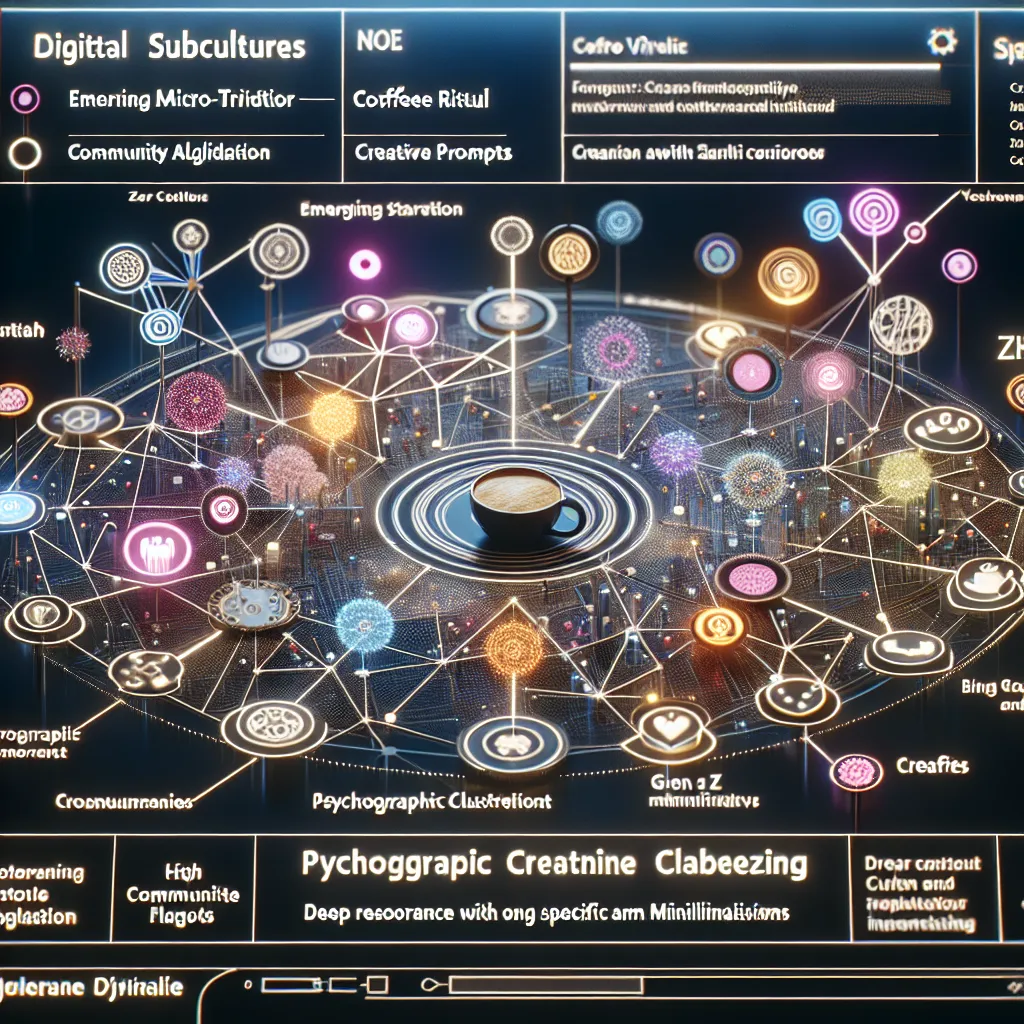
Description
No additional description provided.
The Pitch
In today’s digital landscape, brands often strive for mass virality, aiming for the widest possible reach. However, this approach frequently falls short in engaging meaningfully with niche communities. For brands looking to drive engagement and build authentic connections, focusing on micro-virality offers a promising path. This approach prioritizes deep resonance with specific audiences over broad, shallow reach.
**Backstory**
As the digital environment evolves, users increasingly seek tailored content and community-based interactions. Large-scale viral campaigns often miss the mark, glossing over the unique interests and tendencies of smaller, but highly engaged, audience segments. In recent years, there’s been a notable shift towards micro-virality, where success is measured by the strength of connection rather than sheer numbers. This cultural shift presents an opportunity for brands to rethink their engagement strategies.
**The Problem**
Brands aiming for mass virality encounter numerous challenges. Larger audiences dilute the specificity and relevance of content. As a result, brands struggle to maintain meaningful interactions, and their messages often get lost in the noise. The engagement becomes superficial, leading to minimal loyalty and negligible community growth. Thus, many brands fail to tap into the potential of micro-trends that could resonate deeply with smaller, targeted groups.
**The Solution**
Enter the concept of a micro-virality engine. This platform would focus on identifying digital subcultures and emerging micro-trends within specific communities. Utilizing community detection algorithms and psychographic clustering, the engine would provide brands with insights into these niche segments. By suggesting creative prompts optimized for high engagement within these communities, the engine facilitates meaningful interactions and growth.
**Product Details**
The micro-virality engine would encompass:
1. **Community Mapping**: Identifies and categorizes digital subcultures relevant to the brand’s domain. 2. **Micro-Trend Identification**: Recognizes emerging trends within these subcultures, prioritizing hyper-relevant themes. 3. **Algorithmic Insights**: Uses community detection and psychographic clustering to provide actionable insights. 4. **Creative Prompts**: Delivers content ideas tailored to trigger engagement in the identified niches.
**Tools for Easy MVP Launch**
To quickly bring this concept to life as a Minimal Viable Product (MVP), consider utilizing these tools:
- **Social Listening Platforms**: Leverage tools like Brandwatch or Talkwalker to gather real-time data from various social channels. - **Data Analytics Software**: Platforms like Tableau or Google Data Studio can be used to analyze and visualize trends. - **Machine Learning Frameworks**: Libraries such as TensorFlow or scikit-learn can assist in developing algorithms for community detection and psychographic analysis. - **Content Creation Tools**: Canva or Adobe Express can facilitate the generation of creative content based on insights.
**Go-To-Market Strategy**
1. **Targeted Outreach**: Begin with industries that thrive on niche marketing, such as fashion, lifestyle, or tech startups. 2. **Partnerships**: Collaborate with key influencers inside the identified subcultures to initiate pilot programs. 3. **Educational Content**: Publish case studies and whitepapers demonstrating the impact of micro-virality. 4. **Beta Testing**: Launch a beta version of the engine with select brands to refine the product based on feedback.
**Business Model**
A subscription-based model could be effective, offering tiered pricing based on the level of insights and features accessed. Additional revenue streams might include premium consulting services for brands requiring bespoke strategies or workshops on micro-viral marketing techniques.
**Conclusion**
The rise of micro-virality represents a paradigm shift in how brands can engage with digital audiences. By focusing on deep resonance within specific communities, brands not only foster loyalty but also drive authentic growth. Developing a micro-virality engine offers a structured approach to capitalizing on this trend, positioning brands for success in a digital age dominated by niche interactions.
---